Madhya Pradesh • Maharashtra • Chhattisgarh
Central India Wildlife Safari
Explore tiger reserves and national parks across Madhya Pradesh, Maharashtra and Chhattisgarh through private, thoughtfully planned safaris with The Territory India.
Plan Your Central India Safari
- Home
- Destinations
- India
- Central India
Overview
Where India's Wild Landscapes Come Together
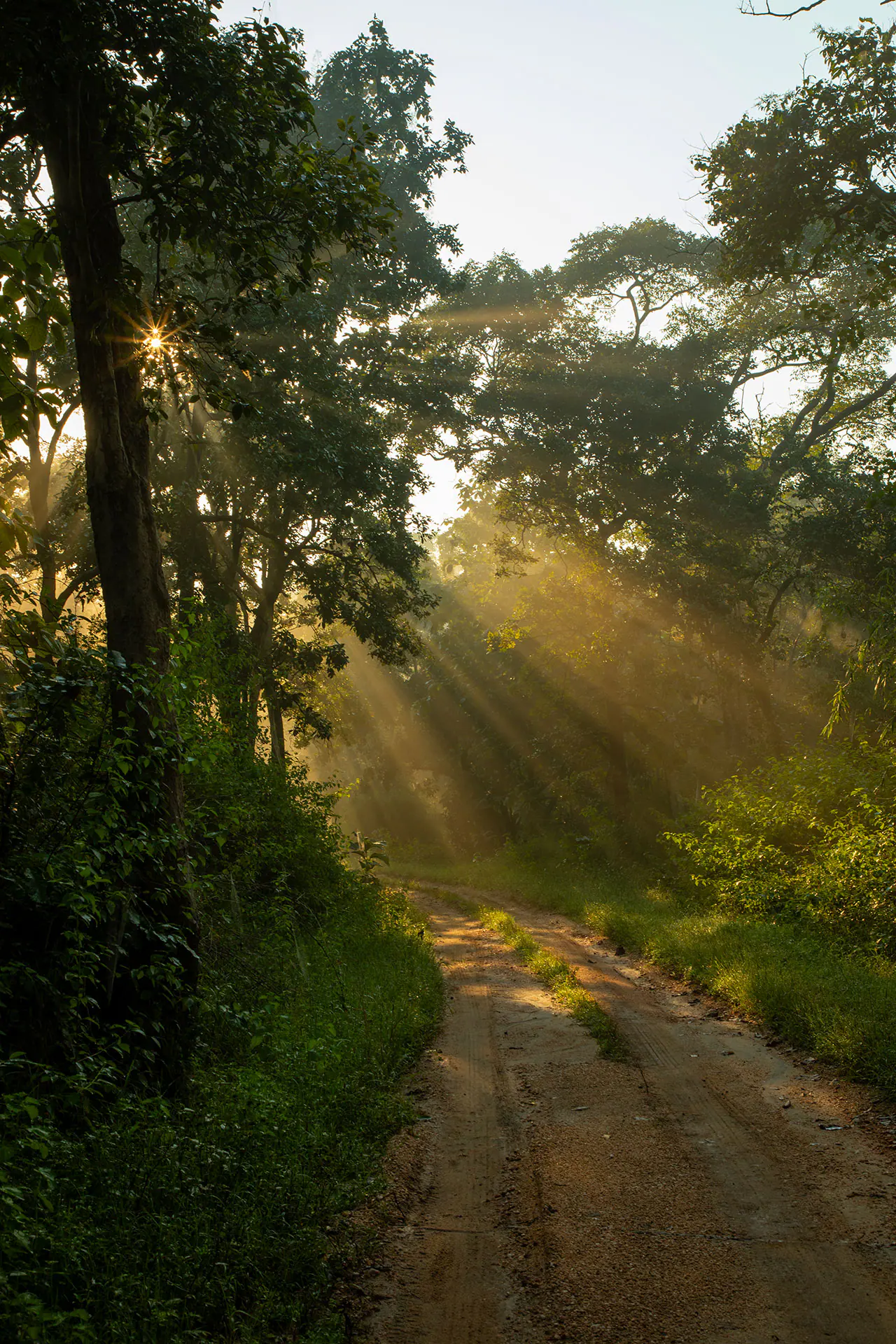
The Central Zone forms one of India’s most important wildlife landscapes, bringing together tiger reserves and protected forests across Madhya Pradesh, Maharashtra, Chhattisgarh and Odisha. The region is marked by vast deciduous forests, bamboo thickets, teak and sal landscapes, open grasslands, rugged hills, river systems and wetlands — each creating a distinct habitat for wildlife.
For wildlife travellers, this is a region defined by variety. The Royal Bengal tiger remains its most iconic species, but the Central Zone is equally fascinating for leopards, dhole, sloth bears, Indian gaur, sambar, chital, nilgai, wild boar, crocodiles and a remarkable diversity of birds. Official tiger-reserve listings currently place 21 reserves within the Central Zone, including destinations such as Kanha, Bandhavgarh, Pench, Satpura, Panna, Tadoba-Andhari, Melghat, Achanakmar, Indravati, Udanti-Sitanadi, Satkosia and Similipal.
A Central India wildlife safari is therefore not simply about finding a tiger. It is about experiencing different habitats, understanding animal behaviour and seeing how each forest has its own character.
More Than the Tiger
Wildlife In Central India
The wildlife of the Central Zone extends far beyond its famous tiger reserves. The region supports a remarkable combination of predators, herbivores, birds and smaller forest species, with wildlife encounters changing according to habitat, season, water availability and the rhythm of the forest.

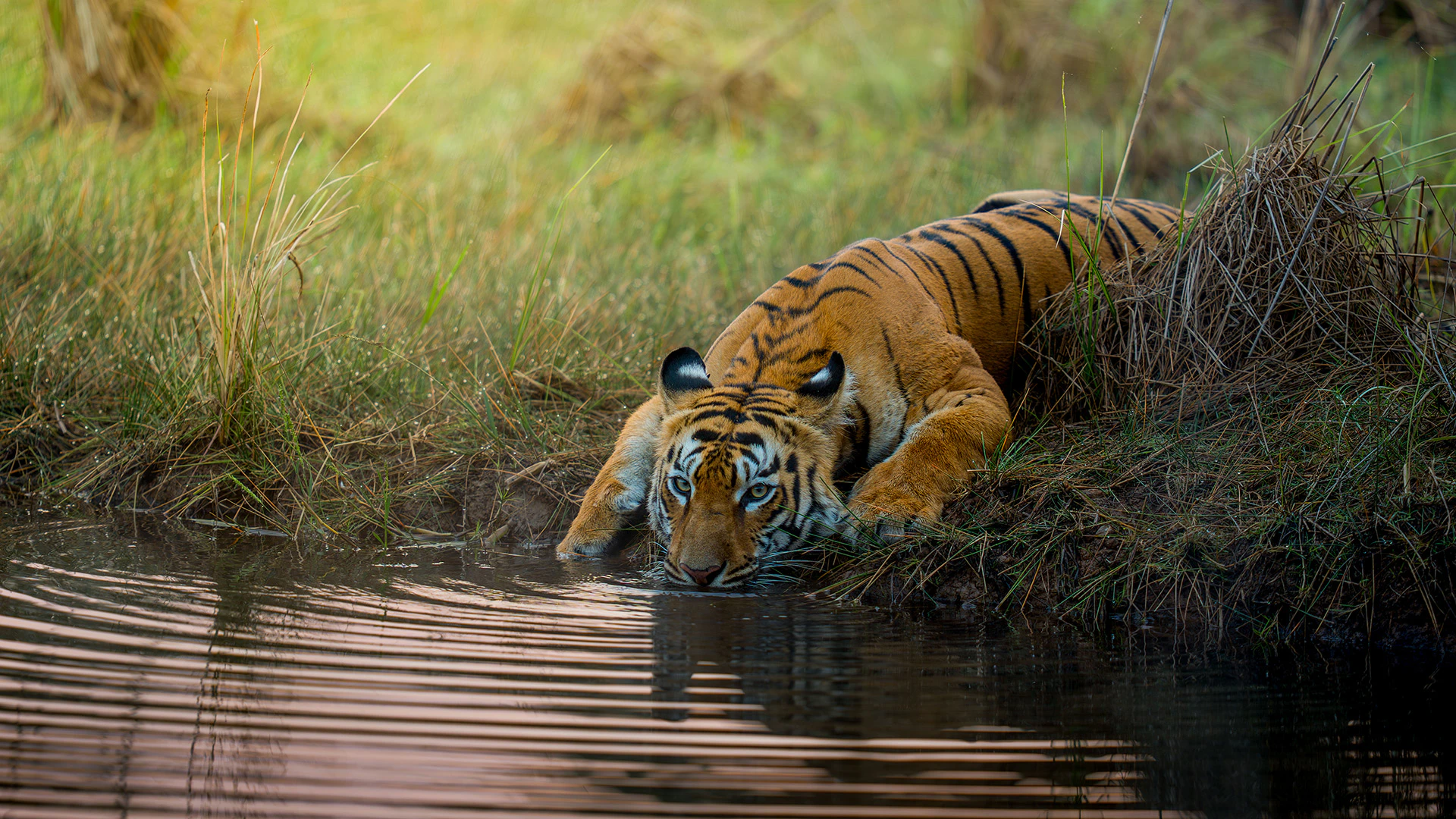
India’s Tigers
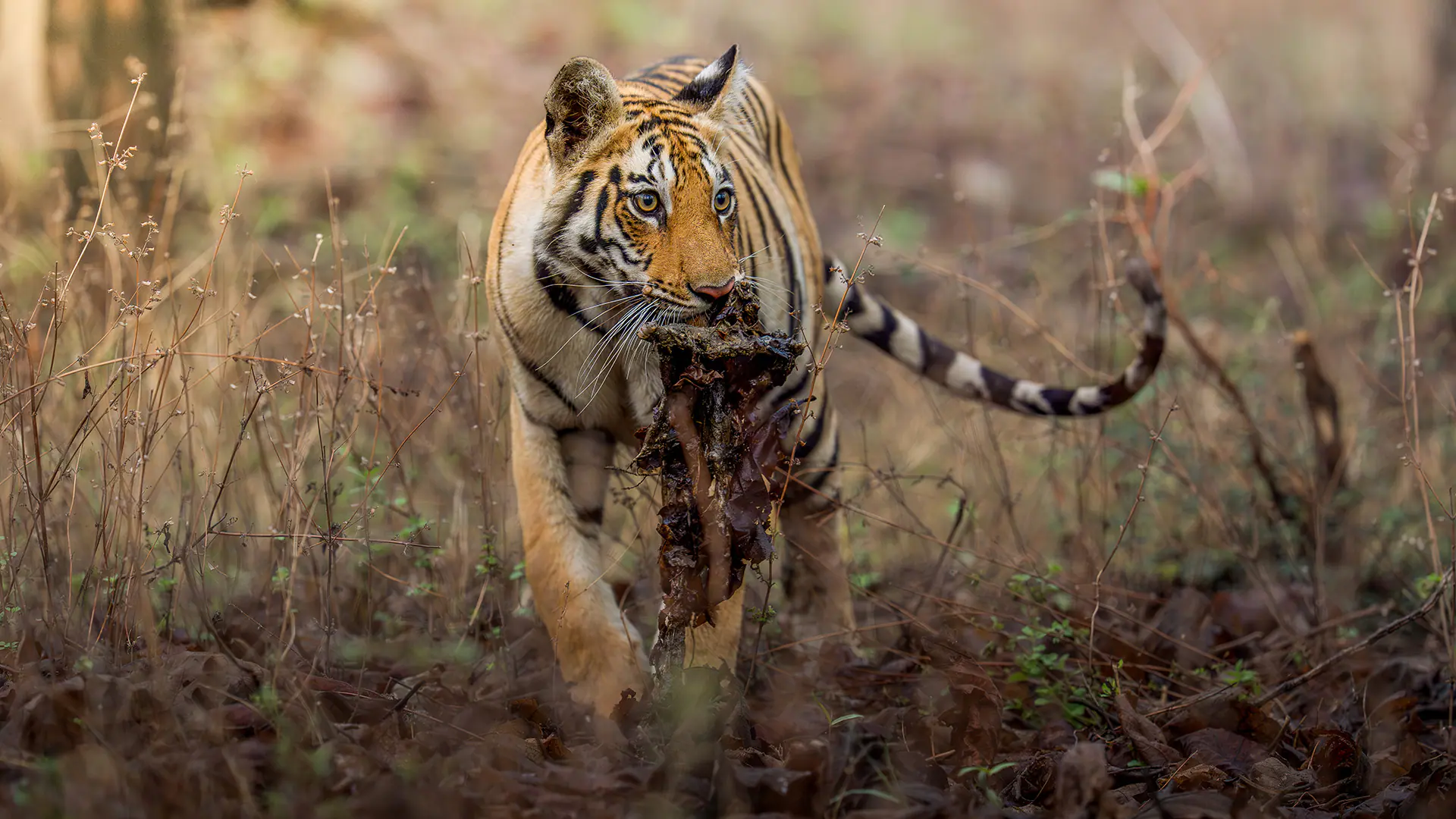
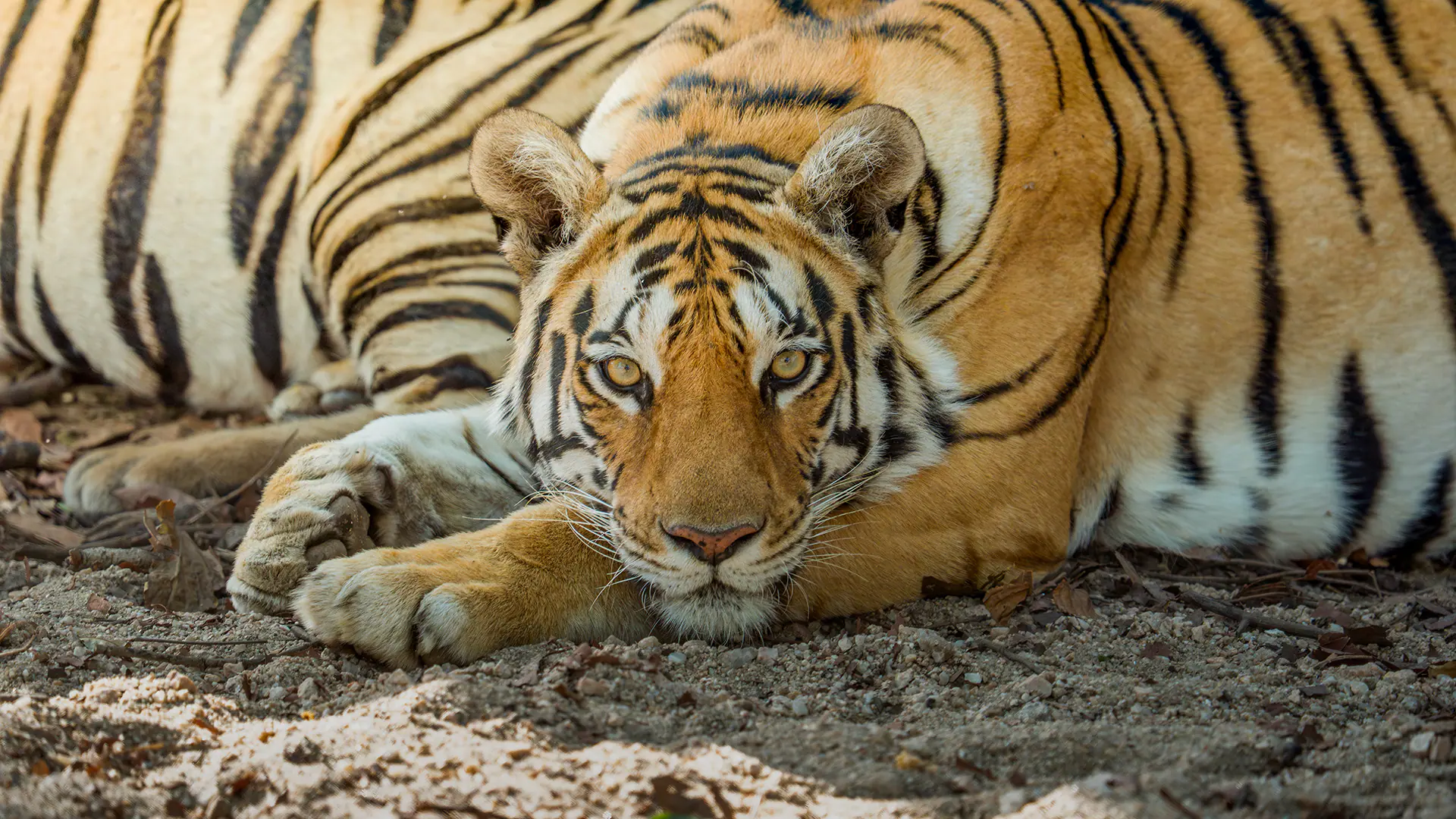
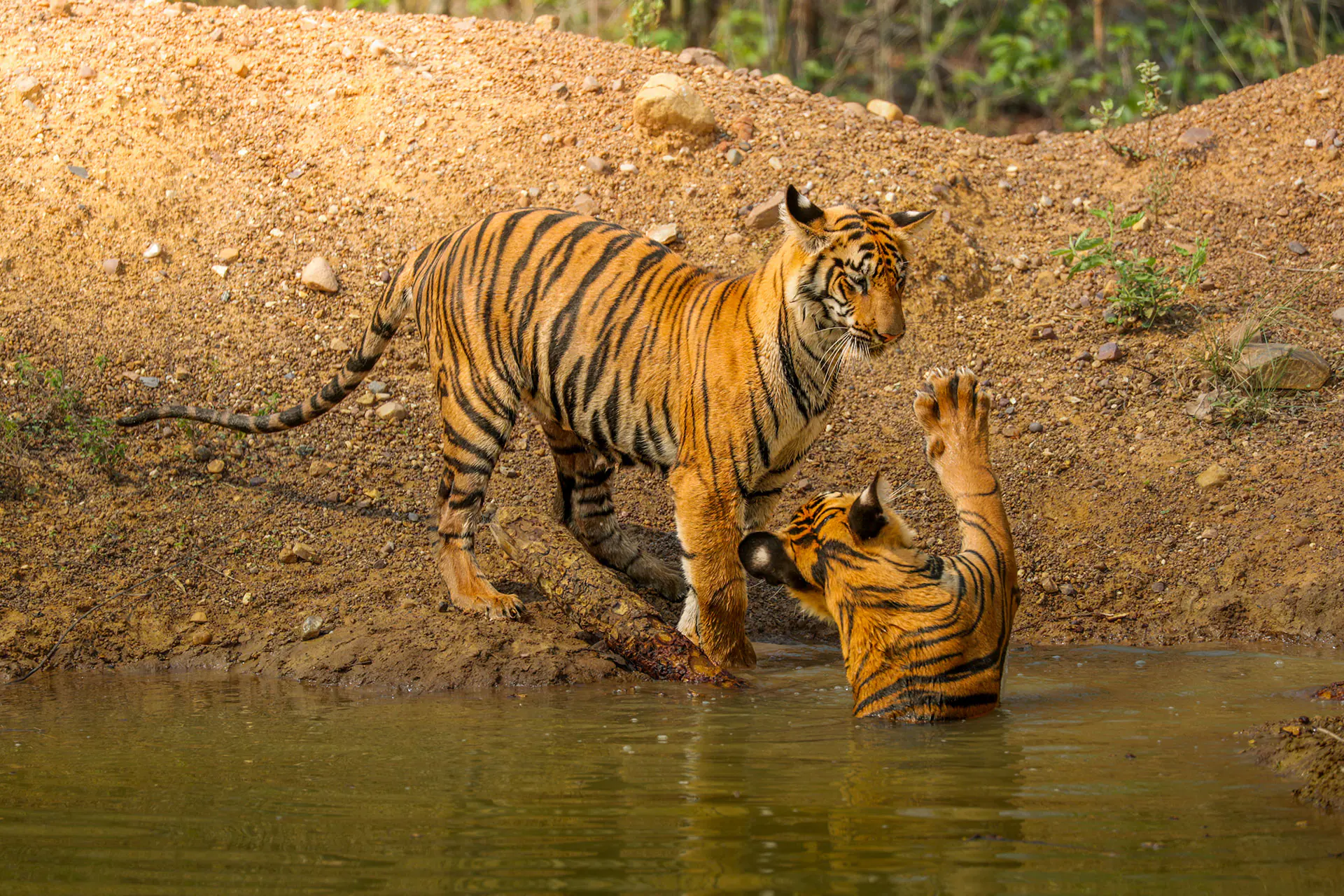
The Bengal tiger is the defining species for many Central India safaris. Tadoba, Pench, Kanha, Bandhavgarh, Satpura and Panna each offer distinct landscapes for tiger-focused journeys.

Dholes
India’s wild dogs are one of the region’s most fascinating predators. Watching a dhole pack move, communicate and work together adds a different dimension to a wildlife safari.

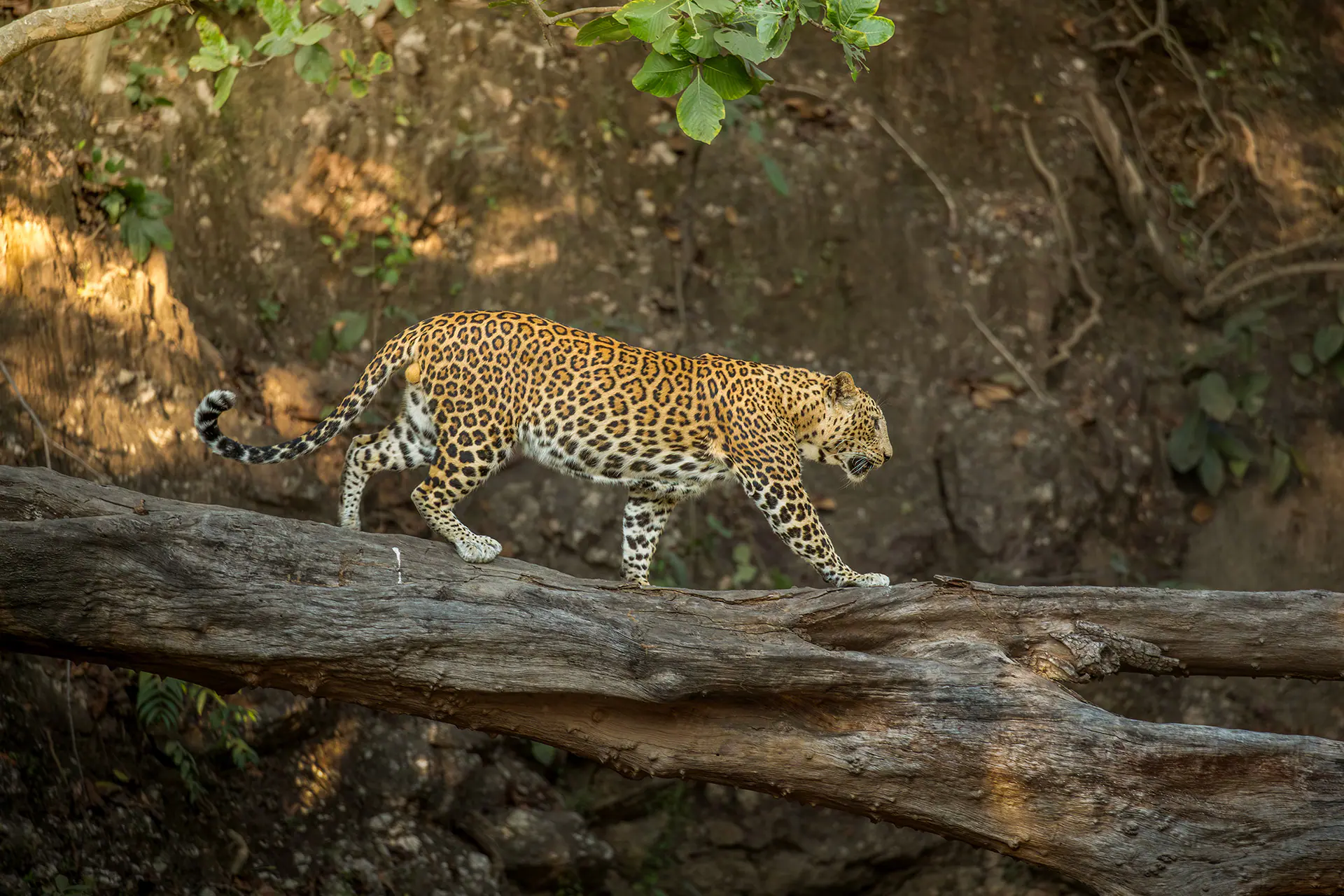
India’s Leopards
Elusive and adaptable, leopards share many Central Indian landscapes with tigers. Their quieter presence often rewards patient drives and close attention to tracks and alarm calls.

Barasingha & Deer
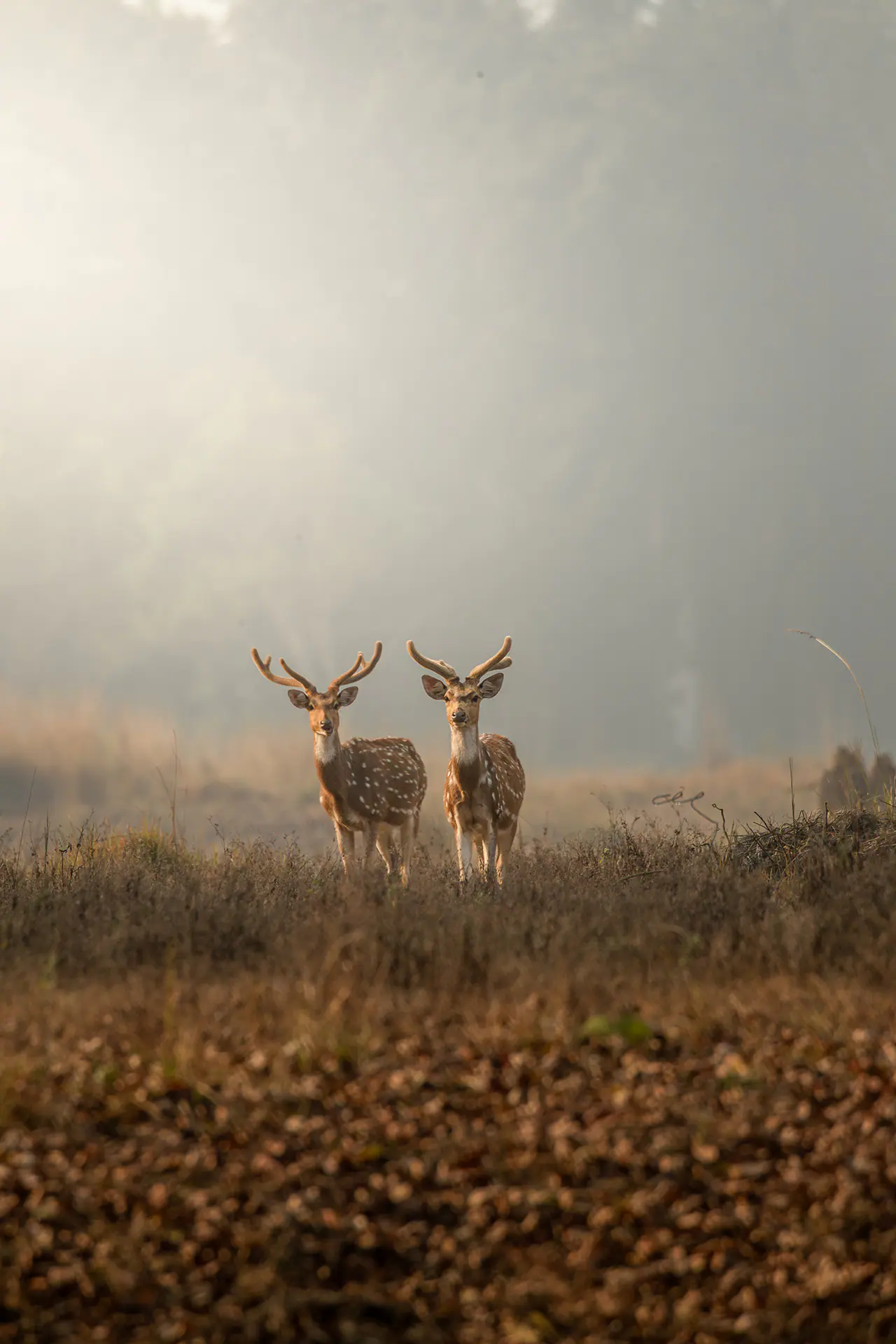
Kanha is particularly known for hard-ground barasingha, while chital and sambar are widespread across the region and form an essential part of the forest food web.

Indian Birdlife
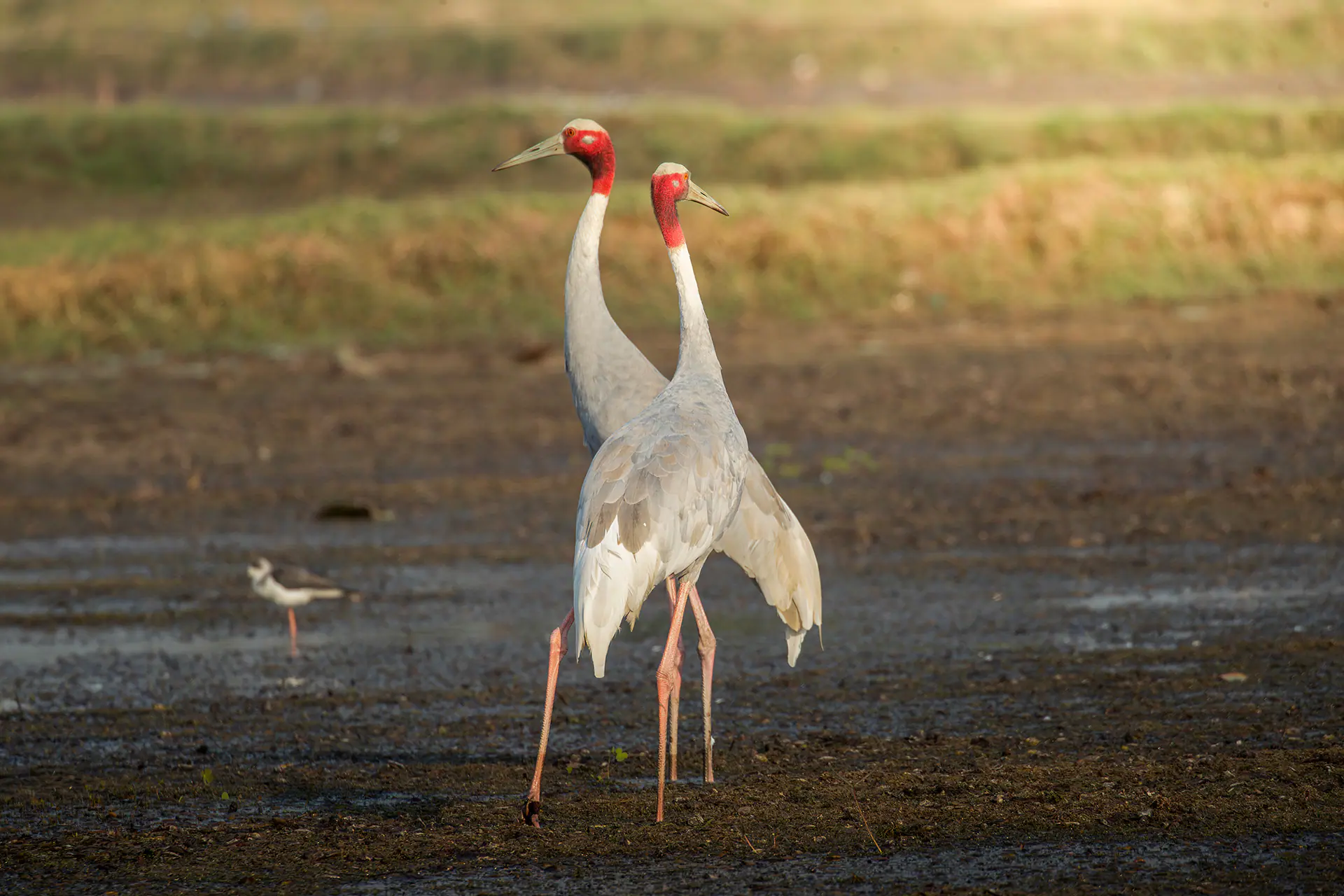
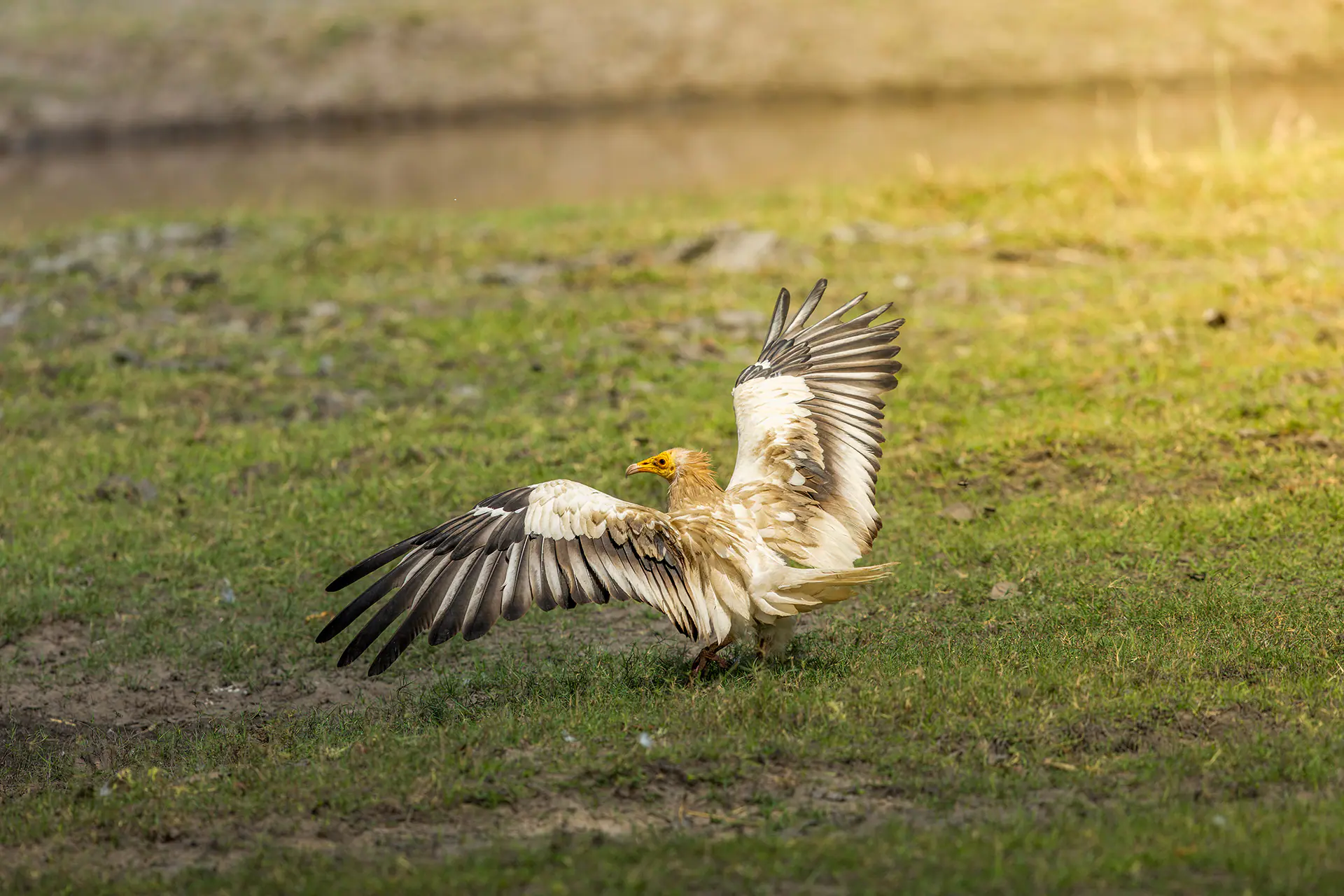
Explore India’s hornbills, raptors and wetland specialists, rewarding time spent looking beyond the obvious on safari.

Gaur
India’s largest wild bovine is a powerful presence in the forests and meadows of Central India. Herds of gaur add scale and drama to the wider wildlife experience.

Sloth Bears
Dry forests and rocky terrain provide habitat for sloth bears across parts of Central India. Their unpredictable appearances can become some of the most memorable safari moments.
When to Go
Plan Around the Season
The best time for a Central India wildlife safari depends on what you want from the journey. Winter brings comfortable weather and strong birding opportunities, while the hotter months can offer rewarding wildlife viewing as vegetation thins and animals spend more time around available water. Safari seasons and access can vary by reserve, so final dates should always be checked against the current park rules.
- Core Zone Open
- Buffer Zone Open
January
21°C
14 mm
Cool, dry mornings and pleasant afternoons make January comfortable for Central India wildlife safaris, with clear skies, dry trails and excellent conditions for birdwatching and longer safari drives.
February
24°C
12 mm
February brings warmer afternoons but generally dry conditions. Comfortable mornings, clear visibility and active birdlife make it a rewarding month for wildlife photography and safari exploration.
March
28°C
22 mm
March marks the beginning of warmer, drier conditions. Vegetation gradually opens up, wildlife becomes easier to observe, and Central India tiger safaris become increasingly focused on water sources.
April
32°C
12 mm
Hot, dry weather dominates April, with increasingly sparse vegetation improving visibility. Early morning and late afternoon safaris can offer rewarding encounters across Central India’s tiger reserves.
May
36°C
20 mm
May is among the hottest months, but dry forests and shrinking water sources can create excellent wildlife-viewing opportunities, particularly for travellers seeking tiger sightings and photography.
June
32°C
193 mm
June marks the transition into monsoon conditions, bringing rising humidity and substantial rainfall. Safari accessibility begins changing as reserves prepare for seasonal closures and the landscape turns greener.
July
28°C
347 mm
July brings peak monsoon conditions, heavy rainfall and lush green forests. Regular tourism is restricted or closed across several tiger reserves, making this primarily a landscape and ecological transformation season.
August
27°C
281 mm
August remains wet and humid across much of Central India, with dense vegetation, swollen streams and dramatic green landscapes. Regular tiger-safari access remains limited in many reserves during monsoon.
September
28°C
195 mm
September remains relatively wet, though rainfall gradually begins easing. Forests are exceptionally lush, streams remain active and many reserves continue following monsoon-related tourism restrictions.
October
27°C
53 mm
October brings the return of drier weather after the monsoon. Forests remain green, temperatures become comfortable and many Central India wildlife destinations begin welcoming visitors again.
November
24°C
12 mm
November offers cooler mornings, dry trails and comfortable safari conditions. Wildlife becomes easier to observe as vegetation starts thinning, while birding opportunities increase across forests and wetlands.
December
21°C
6 mm
December is cool, dry and comfortable, making it an excellent month for Central India wildlife safaris, photography and birdwatching, particularly for travellers preferring pleasant daytime conditions.
What to See
Many Landscapes, One Region
A Central India journey can extend beyond the forest, connecting wildlife safaris with heritage, architecture, spirituality, geology and natural landscapes. From UNESCO World Heritage Sites and ancient temples to marble gorges, waterfalls and historic forts, these experiences add another dimension to exploring Central India.

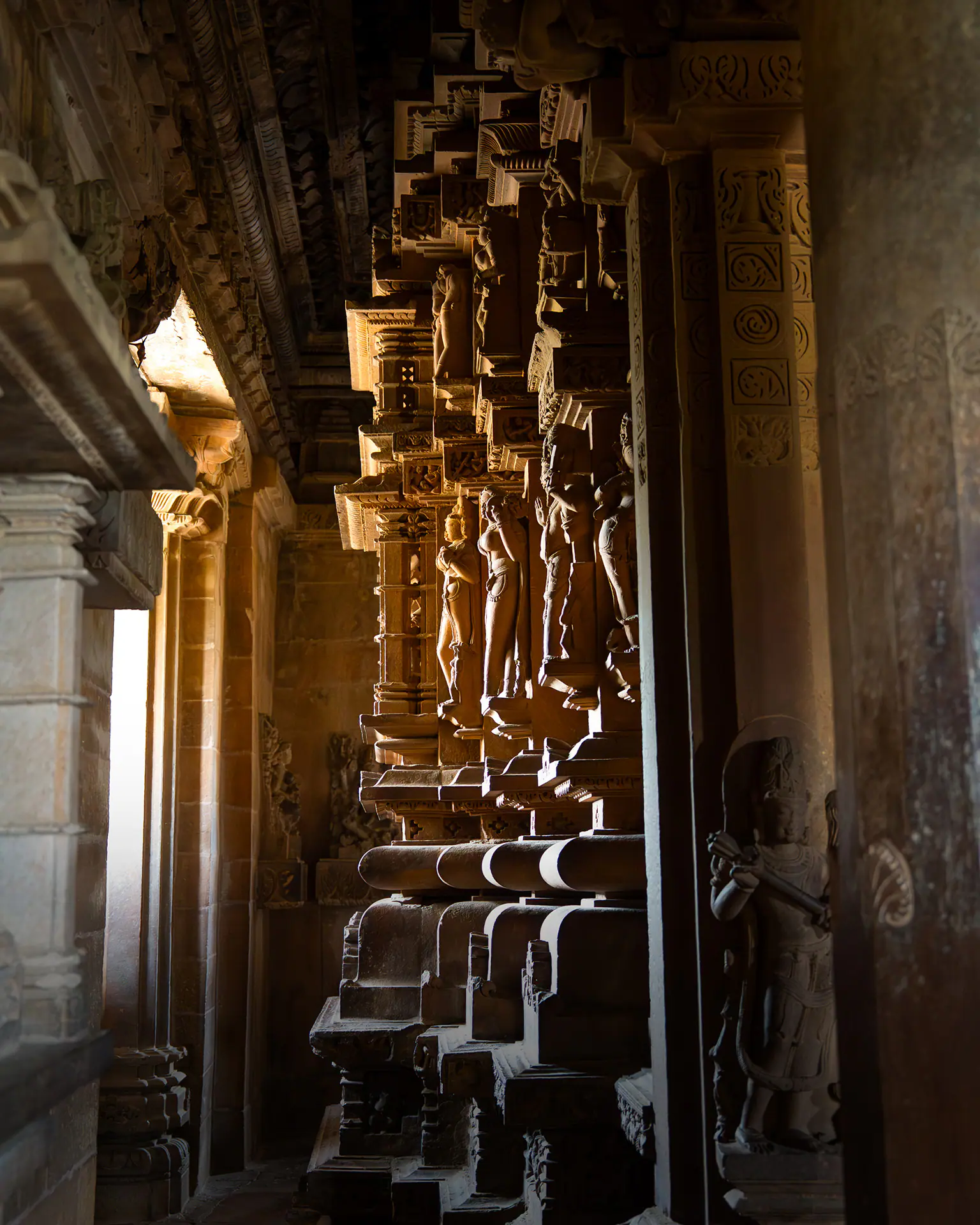
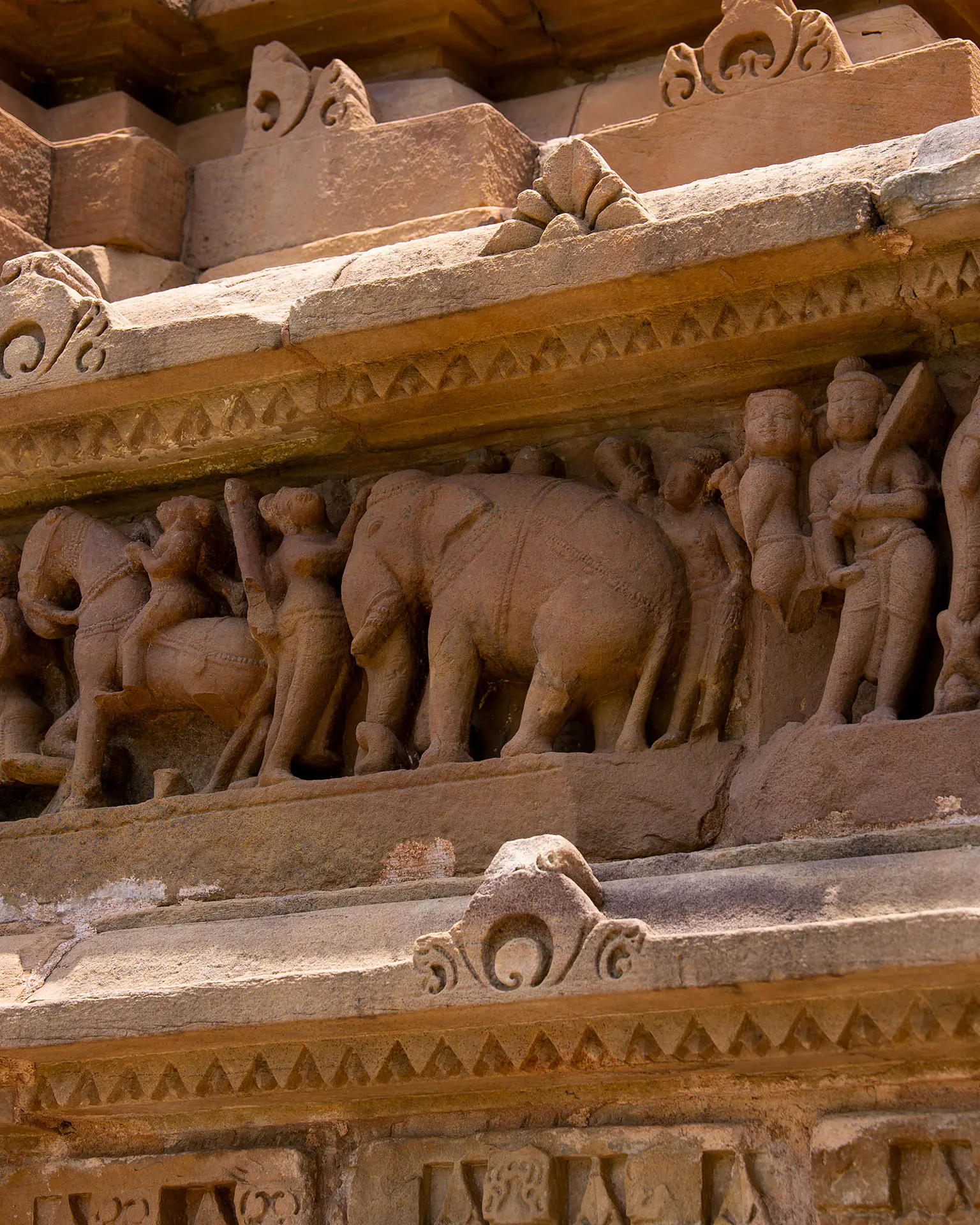
Khajuraho
Explore the UNESCO-listed Khajuraho Group of Monuments, celebrated for its Chandela-era temples & exceptional Nagara-style architecture.

Bhimbetka Rock Shelters
Step into India at the UNESCO-listed Bhimbetka rock shelters, known for ancient rock art spanning from the Mesolithic period into later historical periods.

Bhedaghat Marble Rocks
Cruise along the Narmada River between the towering white marble cliffs of Bhedaghat, one of Madhya Pradesh’s most distinctive natural landscapes.

Dhuandhar Falls
Witness the Narmada plunge dramatically through the rocky gorge at Dhuandhar Falls, creating the famous mist-filled spectacle near Bhedaghat.

Pandav Falls
Discover the scenic Pandav Falls in Panna National Park, where a waterfall drops into a tranquil pool surrounded by forest and rocky formations.

Panna Diamond Mines
Explore Panna’s remarkable diamond landscape, home to the Majhgawan diamond mine and a region internationally known for its diamond-bearing geology.

Ujjain
Experience the spiritual heritage of Ujjain, an ancient city on the Shipra River and home to the revered Mahakaleshwar Jyotirlinga.

Gwalior Fort
Explore the historic Gwalior Fort, a hilltop architectural landmark featuring palaces, temples, gateways and centuries of Central Indian history.

Ranthambore Fort
Explore the historic Ranthambore Fort rising above the Ranthambore landscape, known for its massive walls, gateways, temples and medieval Rajput heritage.

Hawa Mahal
Discover Jaipur’s iconic Hawa Mahal, the five-storey Palace of Winds known for its distinctive façade, jharokhas and remarkable architectural character.

Amer Fort
Explore Amer Fort near Jaipur, an impressive hilltop palace complex celebrated for its courtyards, temples, gardens, Sheesh Mahal and Rajput architecture.
Gallery
The Wild, In Every Frame
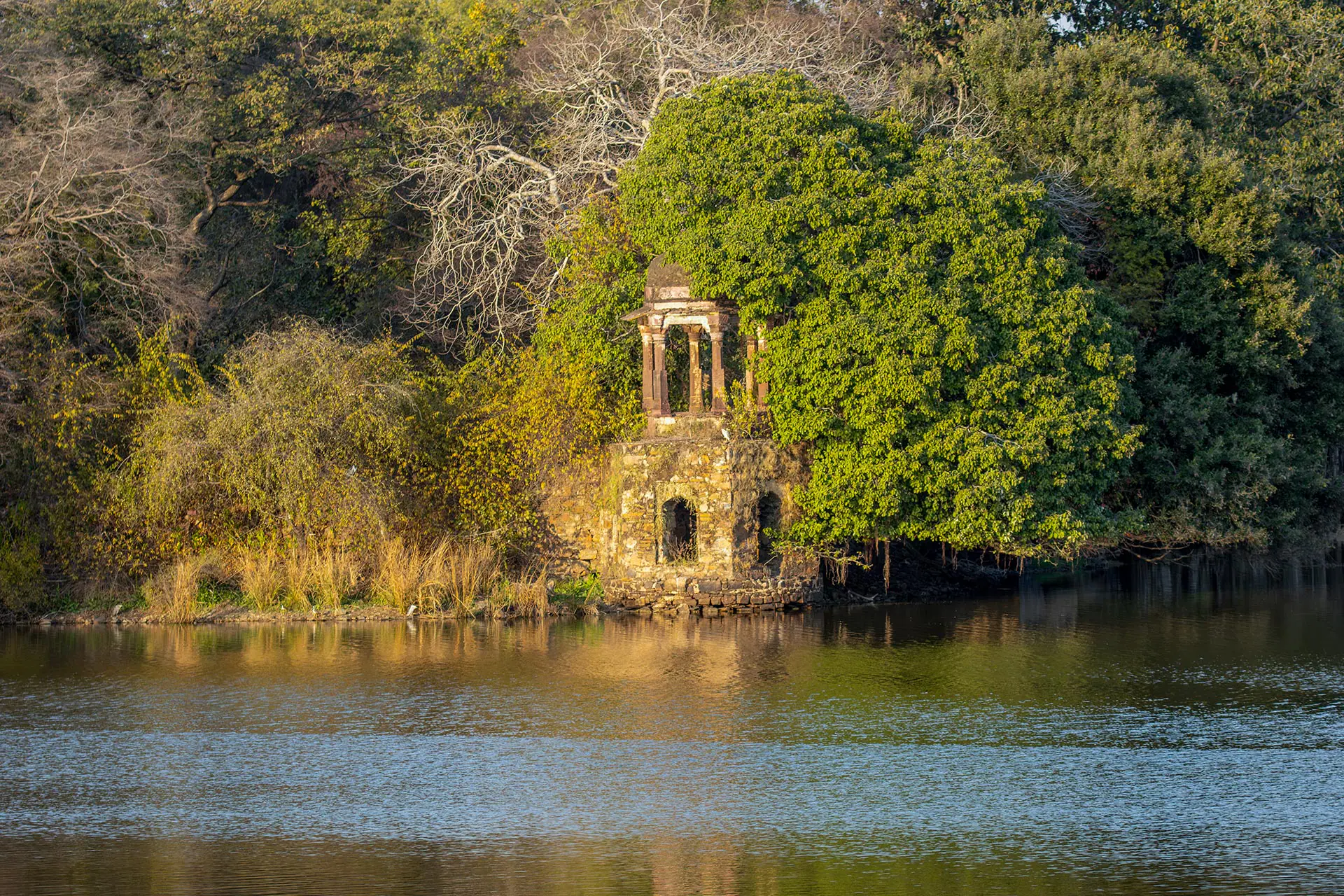
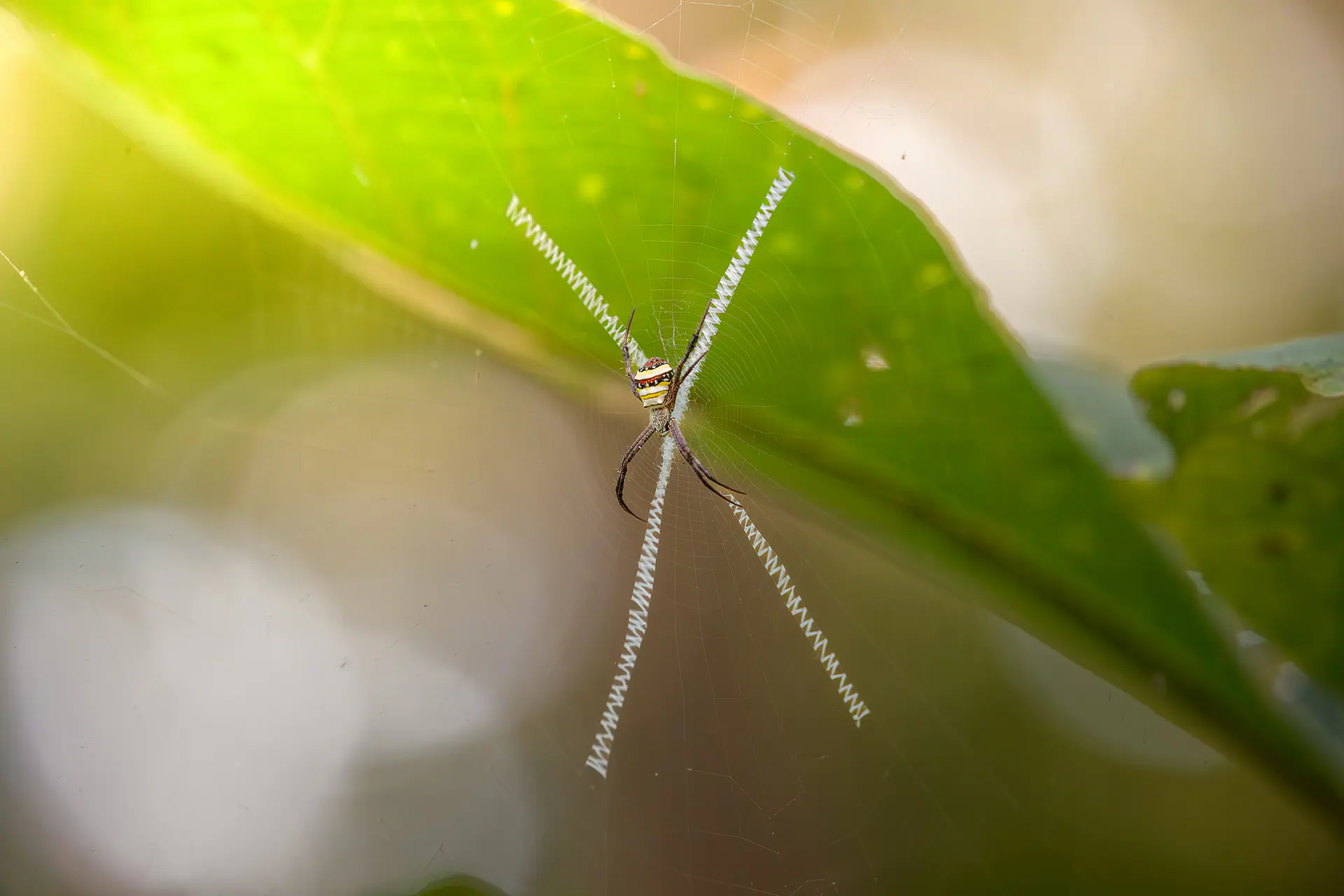
Central India is a landscape of changing light, dry forests, open meadows, waterholes, rocky terrain and intimate wildlife encounters. Let the gallery show the character of each destination – not only the animals, but the habitats and moments between sightings.
Experience
Experience Central India Differently
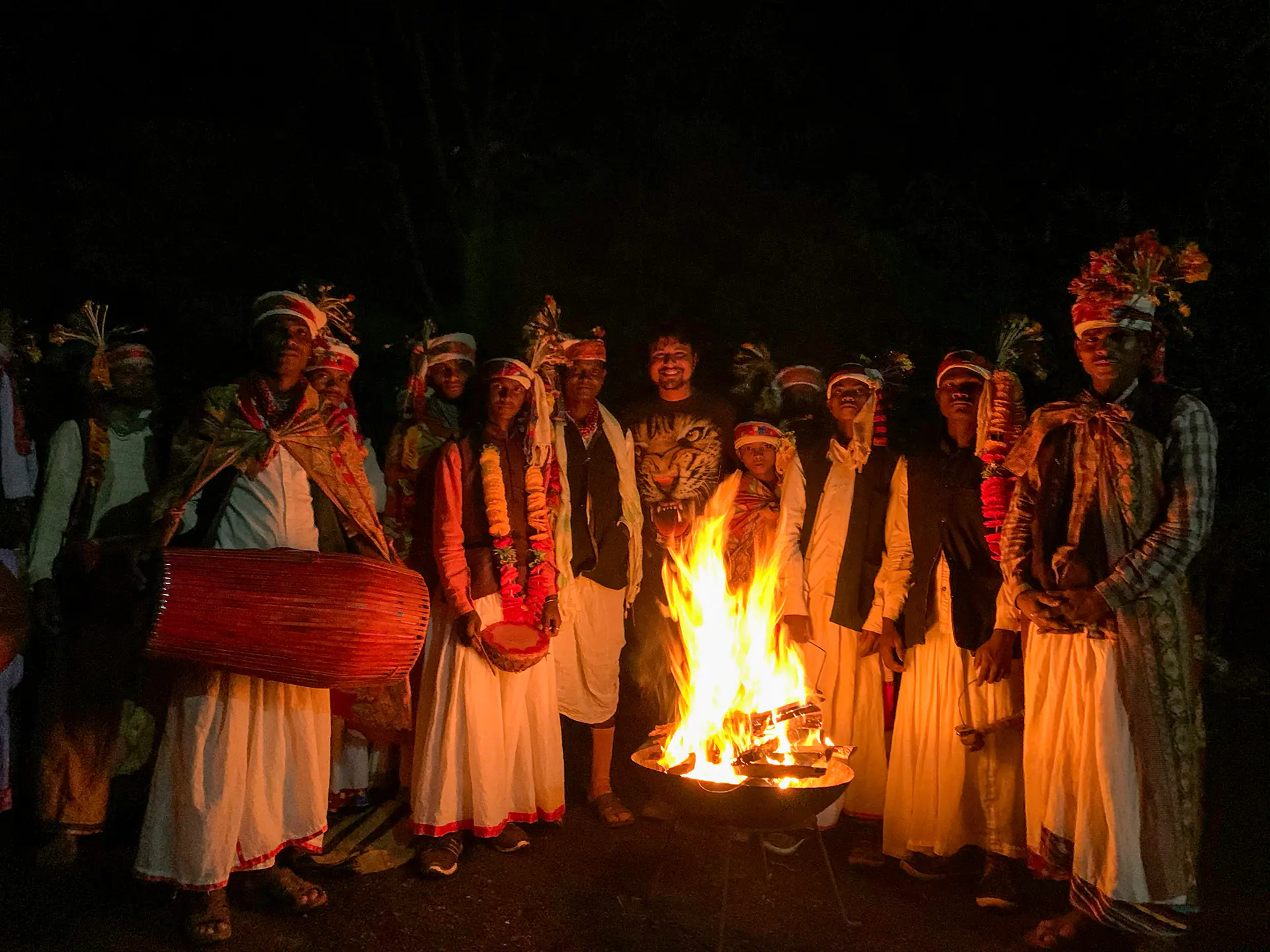
A Central India wildlife journey does not have to begin and end with a jeep drive. Depending on the destination, local regulations and availability, the region can be experienced through walking, boating, cycling, birding, photography and time spent close to the landscape outside the safari vehicle.
FAQ's
Planning Your Wildlife Experience
Which wildlife destinations are included in Central India?
The Territory’s Central India safari region includes Tadoba, Pench, Kanha, Bandhavgarh, Satpura, Panna and Sanjay Dubri. Together, these destinations offer varied forest landscapes and opportunities to explore tigers, leopards, dholes, sloth bears, gaur, deer and diverse birdlife.
What is the best time for a Central India wildlife safari?
The ideal time depends on the reserve and the experience you are looking for. October to June is generally the principal safari period across many Central Indian tiger reserves, while exact opening dates, closing periods and safari schedules can vary by park and season. Check the current reserve rules before travelling.
Which is the best place for a tiger safari in Central India?
There is no single destination that suits every traveller. Tadoba, Pench, Kanha, Bandhavgarh, Satpura, Panna and Sanjay Dubri each offer different landscapes, safari systems and wildlife experiences. The right choice depends on your travel dates, safari preferences, available time and the other wildlife you want to see.
What animals can I see besides tigers?
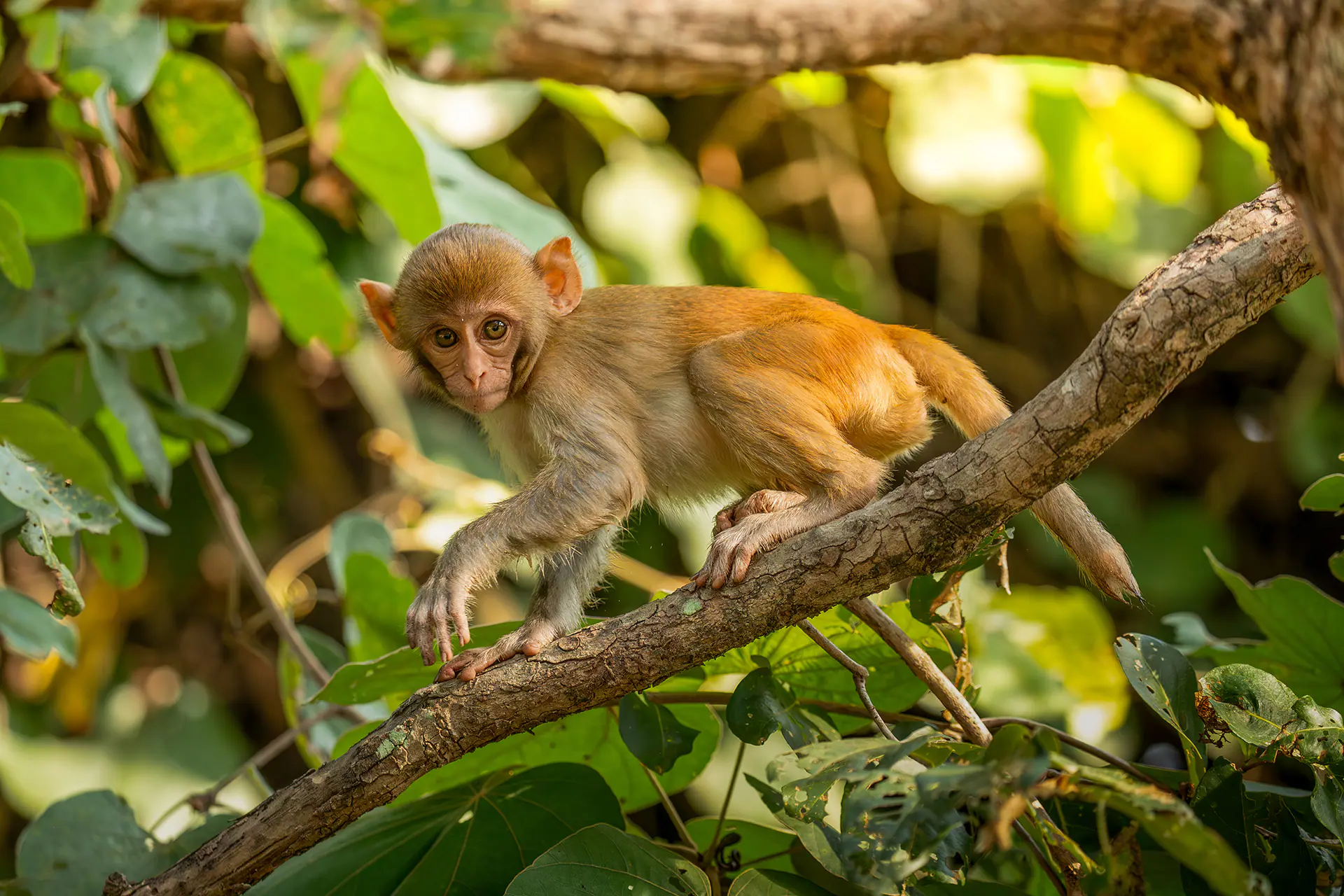
Central India offers much more than tiger sightings. Depending on the destination, you may encounter leopards, dholes, sloth bears, Indian gaur, sambar, chital, wild boar, langurs, crocodiles and numerous bird species. Wildlife varies between reserves, so your destination can be selected around the species you most want to experience.
Do I need to book my safari in advance?
Advance planning is strongly recommended, particularly for popular dates, preferred zones and full-vehicle bookings. Safari permits are subject to availability, and booking systems, opening windows and reservation rules vary by reserve. Madhya Pradesh, for example, publishes specific advance-booking windows through its Forest Department portal.
How long should I stay in Central India?
For a single destination, a few nights can provide a useful introduction, while a longer stay allows more safari drives and a slower exploration of the landscape. Multi-destination journeys need additional time for road transfers between reserves. The ideal duration depends on your wildlife focus and overall itinerary.