Kerala • TamilNadu • Karnataka • Telangana
South India Wildlife Safari
South India is a region of contrasts – rainforest and highlands, ancient kingdoms and living cities, beaches and backwaters, waterfalls and island lagoons. For The Territory, the South Zone can begin with a South India wildlife safari and continue into the landscapes, heritage and experiences that surround it.
Plan Your South India Safari
- Home
- Destinations
- India
- South India
Overview
Where Forests Meet Culture
The Southern Zone forms one of India’s most diverse wildlife landscapes, bringing together tiger reserves and protected forests across Andhra Pradesh, Karnataka, Kerala, Tamil Nadu and Telangana. The region stretches from the Western Ghats and Nilgiri hills to the Eastern Ghats and Deccan plateau, with dry and moist deciduous forests, dense bamboo, evergreen landscapes, shola-grassland ecosystems, river valleys and varied hill habitats — each supporting a distinct range of wildlife.
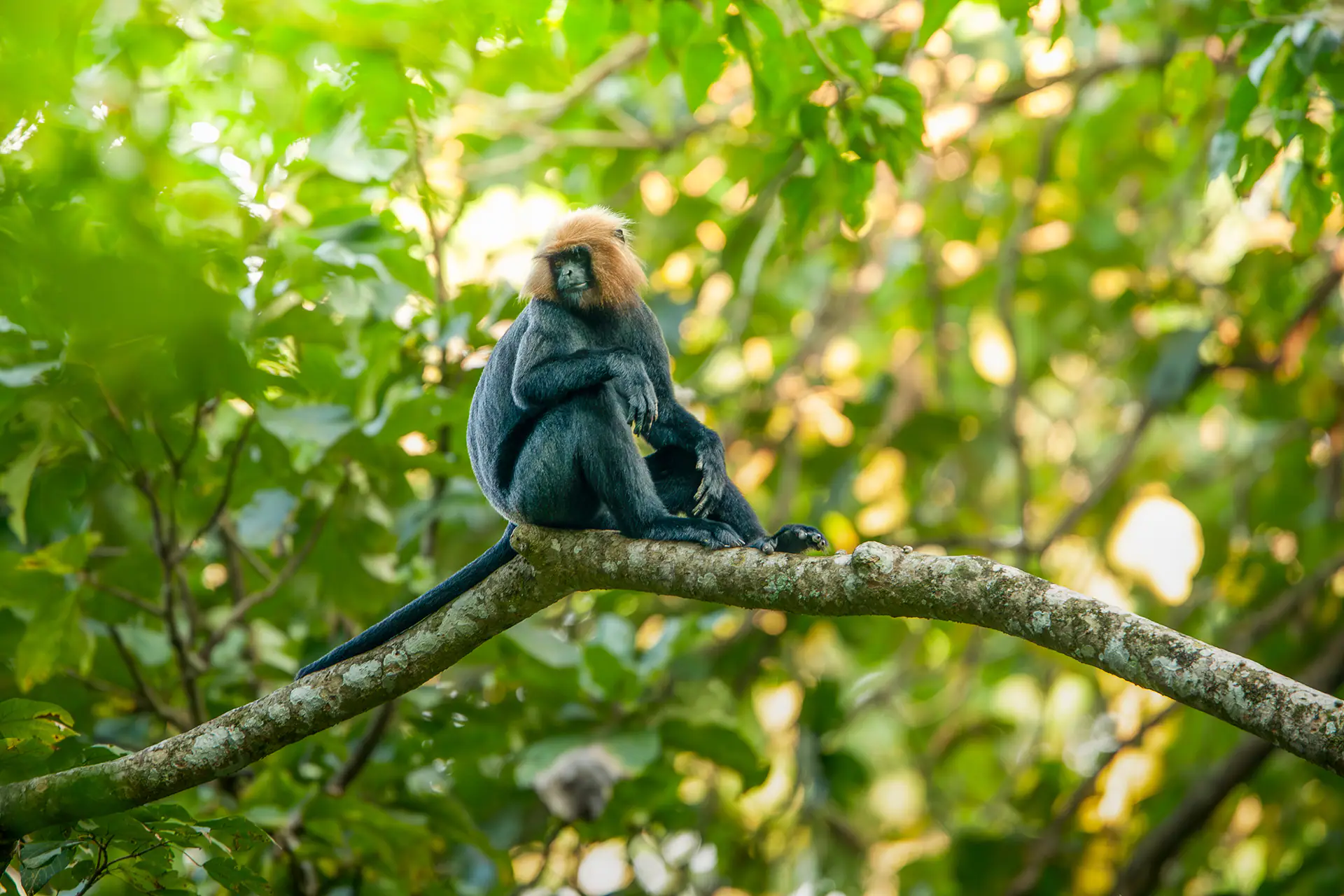
For wildlife travellers, this is a region defined by remarkable ecological variety. The Royal Bengal tiger remains one of its most iconic species, alongside leopards, dhole, Asian elephants, gaur, sloth bears, sambar, chital, wild boar, Nilgiri tahr, Nilgiri langurs, lion-tailed macaques and an exceptional diversity of birds and reptiles. Official National Tiger Conservation Authority listings currently place 15 tiger reserves within the Southern Zone, including destinations such as Bandipur, Nagarhole, Bhadra, Kali, Biligiri Ranganatha, Periyar, Parambikulam, Mudumalai, Sathyamangalam, Anamalai, Kalakad-Mundanthurai, Srivilliputhur-Megamalai, Nagarjunsagar-Srisailam, Amrabad and Kawal.
A South India wildlife safari is therefore not simply about finding a tiger. It is about moving through contrasting landscapes, discovering species unique to the region, understanding the connection between forests and rivers, and experiencing how every Southern forest has its own character.
More Than the Elephant
Wildlife In South India
Southern India brings together major forest landscapes across the Nilgiris and Western Ghats, with wildlife ranging from Bengal tigers and Asian elephants to dholes, gaur, leopards and distinctive Western Ghats species.

Bengal Tiger
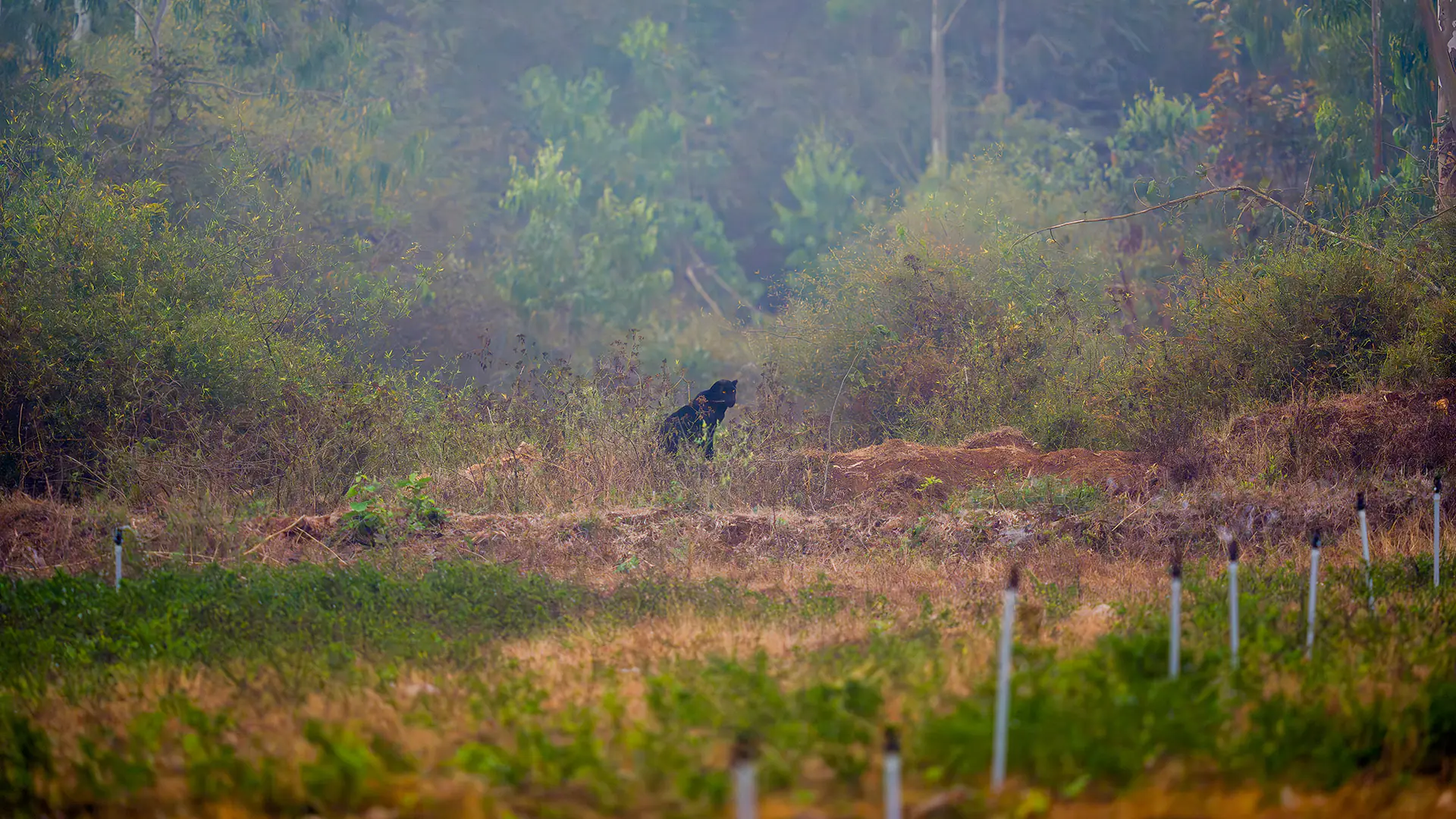
Track Bengal tigers through South India’s forests, river valleys, bamboo thickets, and habitats.

Lion-tailed Macaque
Search for lion-tailed macaques in rainforest canopies across the Western Ghats.

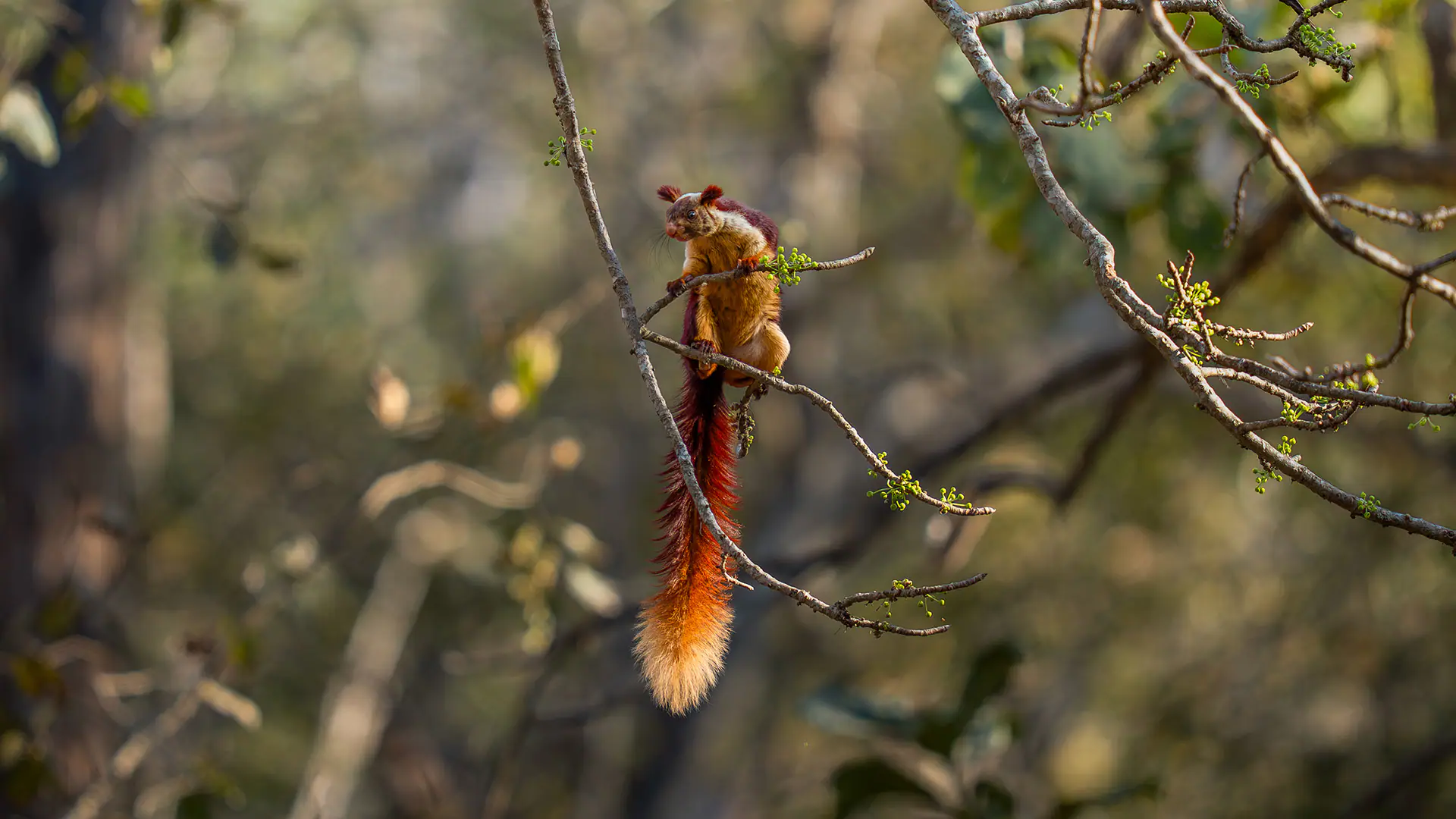
Malabar Giant Squirrel
Spot Malabar giant squirrels moving through rainforest canopies and evergreen Western Ghats forests.

Great Hornbill
Watch great hornbills gliding between rainforest trees across South India’s lush Western Ghats.

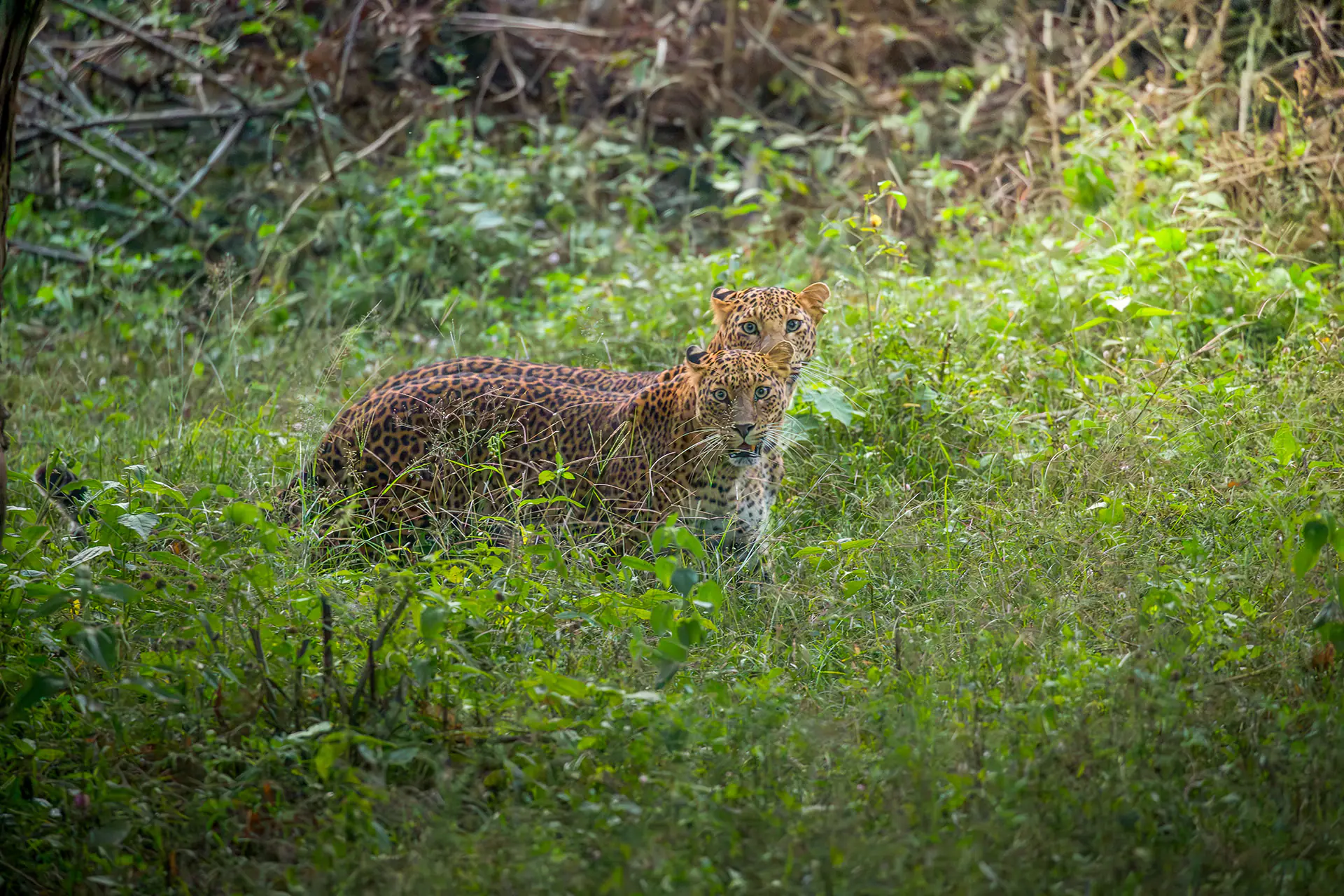
Leopard
Spot leopards across Western Ghats forests, rocky habitats, plantations, and diverse southern landscapes.

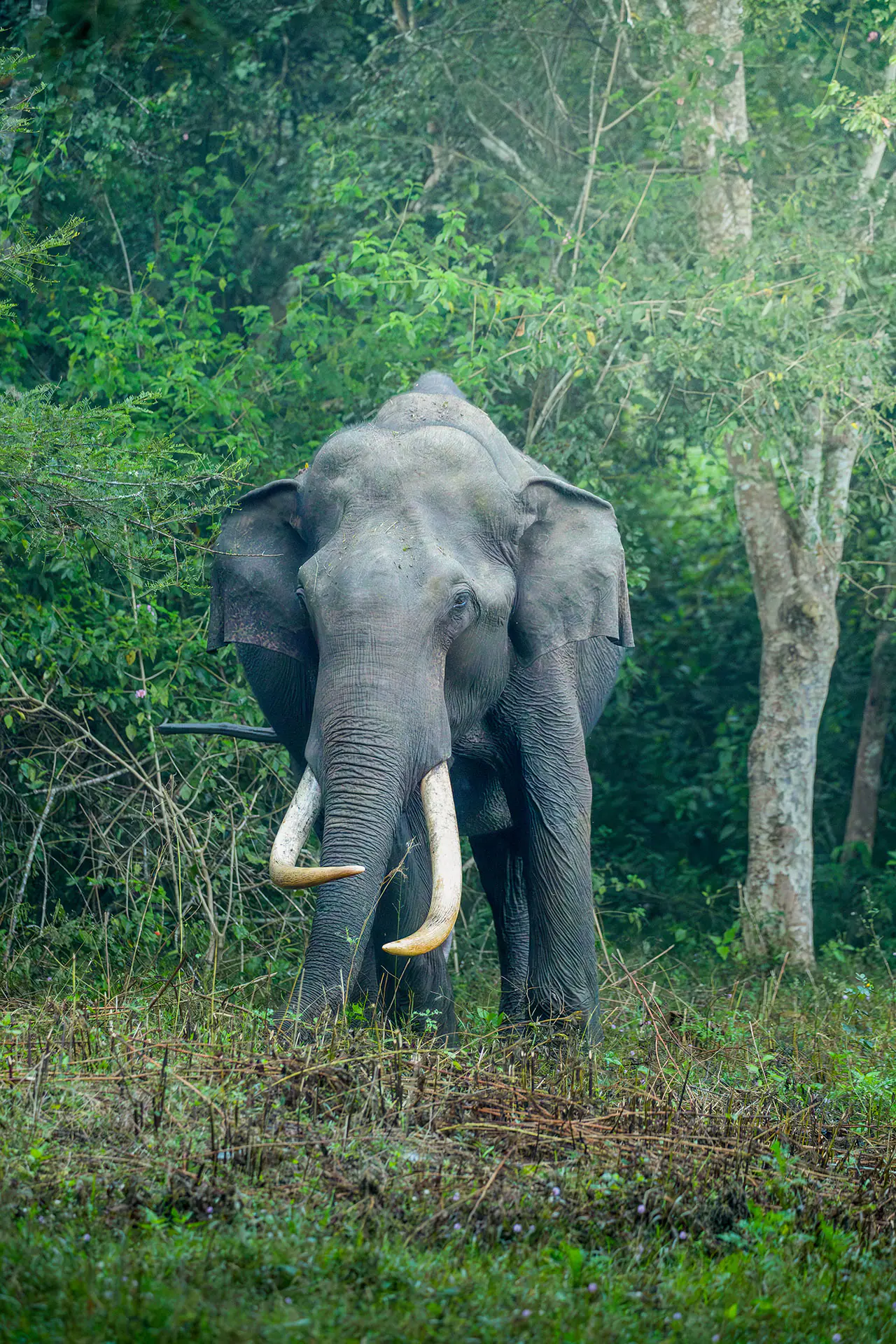
Asian Elephant
Encounter Asian elephants around South India’s forests, river systems, grasslands, and forest corridors.

Nilgiri Tahr
Discover Nilgiri tahrs on steep cliffs, grasslands, and montane Western Ghats landscapes.

Dhole
Watch dholes moving through pack territories across South India’s forested landscapes and valleys.

Gaur
See massive gaur in grasslands, bamboo forests, clearings, and Western Ghats wilderness.

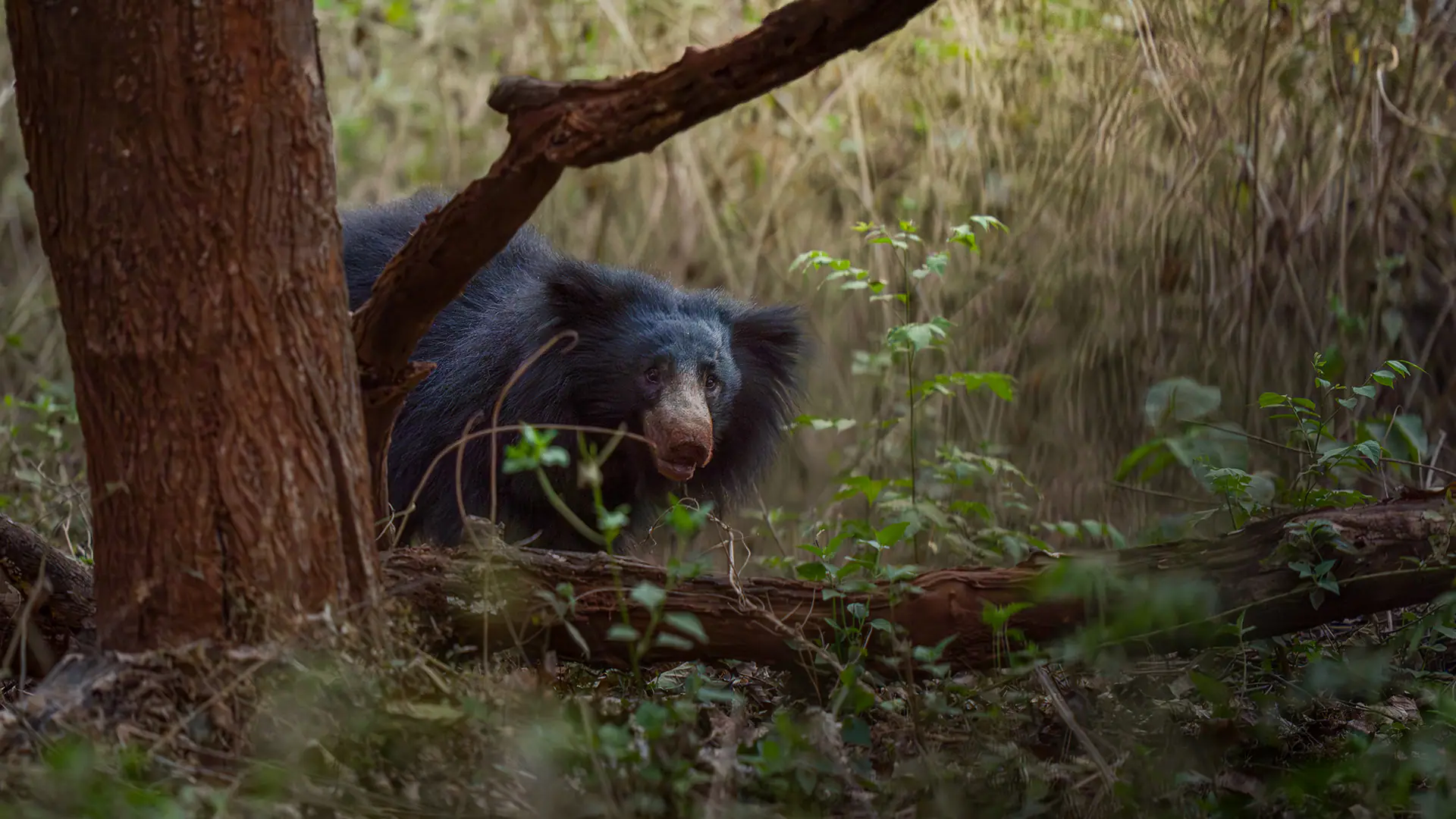
Sloth Bear
Find sloth bears in forests, rocky terrain, termite rich clearings, and southern wilderness.
When to Go
Plan Around the Season
South India is not one uniform climate. The Deccan plateau, Western Ghats, east and west coasts, and island destinations can experience very different weather in the same month.
- Core Zone Open
- Buffer Zone Open
January
16-30 °C
20-60 mm
January brings cooler mornings and clearer skies, making heritage tours, hill stations, coastal escapes, island journeys, and comfortable outdoor sightseeing attractive across much of South India for travellers across destinations.
February
18-32 °C
15-50 mm
February remains pleasant across many southern destinations, supporting city breaks, temple visits, heritage walks, hill escapes, beaches, photography, and relaxed road trips with generally low rainfall overall and comfortable conditions.
March
20-34 °C
20-70 mm
March brings warmer afternoons, while elevated hill stations remain comfortable; plan sightseeing around mornings and evenings for heritage, plantations, beaches, waterfalls, and scenic South India road journeys comfortably across elevations.
April
23-36 °C
30-100 mm
April turns warmer across plains, yet hill stations offer refreshing escapes; mornings suit sightseeing, while tea country, waterfalls, heritage sites, and experiences provide cooler alternatives across South India during summer.
May
24-36 °C
40-140 mm
May is hot across much of South India, making mountain retreats attractive; schedule sightseeing early, choose shaded routes, and keep afternoons flexible around heat, humidity, and occasional showers across destinations.
June
22-32 °C
120-300 mm
June marks the southwest monsoon across western landscapes, bringing lush greenery, swelling waterfalls, misty hills, and dramatic countryside, especially across Karnataka and Kerala’s Western Ghats and rainforest regions during June.
July
21-31 °C
180-500 mm
July is deeply monsoonal across western South India, creating spectacular waterfalls, vivid plantations, misty roads, and atmospheric hill escapes, though heavy rain can disrupt travel plans and outdoor activities frequently.
August
21-31 °C
160-450 mm
August continues the lush monsoon season, with powerful waterfalls, cloud-covered hills, and vibrant landscapes across Karnataka and Kerala; build flexible itineraries carefully and expect wet roads during regional transfers throughout.
September
22-31 °C
120-350 mm
September begins transitioning toward clearer conditions in some regions, while Western Ghats landscapes remain green & waterfalls strong, creating opportunities for photography, scenic drives, & nature escapes across South India.
October
22-32 °C
100-350 mm
October brings improving conditions after the southwest monsoon, with greener landscapes and comfortable sightseeing for heritage circuits, Kerala journeys, Karnataka escapes, hill stations, and coastal travel across South India throughout.
November
20-31 °C
80-300 mm
November offers comfortable travel across many southern destinations, making it suitable for heritage tours, hill stations, beaches, temples, road trips, backwaters, and island journeys with varied landscapes and cultural experiences.
December
18-30 °C
30-150 mm
December brings pleasant winter weather across much of South India, supporting relaxed sightseeing, heritage tours, hill escapes, beach holidays, photography, backwaters, and island journeys under clearer skies throughout the region.
What to See
Many Landscapes, One Region
A South India journey can go beyond the forest, connecting wildlife safaris with ancient temples, heritage sites, hill stations, plantations & coastal landscapes. From UNESCO World Heritage Sites & historic architecture to misty mountain ranges, waterfalls, backwaters & vibrant cultural experiences.

Hampi
Explore Hampi’s UNESCO World Heritage ruins, Vijayanagara architecture, temples, and boulder-strewn heritage landscapes.

Mysuru
Experience Mysuru Palace, royal heritage, Dasara traditions, historic markets, and distinctive Karnataka cultural architecture.

Coorg
Discover Coorg’s coffee plantations, misty hills, waterfalls, Kodava culture, viewpoints, and Western Ghats countryside.

Gokarna
Relax along Gokarna’s beaches while exploring ancient temples, coastal trails, sunsets, and seaside charm.

Badami
Explore Badami’s Chalukyan architecture through rock-cut cave temples, sandstone cliffs, forts, and Agastya Lake.

Jog Falls
Witness Jog Falls plunging through Karnataka’s Western Ghats, dramatic during the monsoon season.

Dandeli
Experience Dandeli through river rafting, kayaking, forest trails, waterfalls, and Western Ghats adventures.

Agumbe
Discover Agumbe’s rainforest landscapes, misty trails, dramatic sunsets, waterfalls, and Western Ghats biodiversity.

Munnar
Explore Munnar’s tea plantations, misty mountains, waterfalls, viewpoints, and refreshing Kerala hill station landscapes.

Alleppey (Alappuzha)
Cruise Alleppey’s Kerala backwaters by houseboat, surrounded by paddy fields, canals, villages, and scenic waterways.

Wayanad
Explore Wayanad’s plantations, waterfalls, caves, viewpoints, trekking trails, and Western Ghats nature landscapes.

Athirappilly Falls
Visit Athirappilly Falls for powerful cascades, lush forests, viewpoints, and spectacular Kerala monsoon scenery.

Thekkady
Experience Thekkady through spice plantations, Periyar Lake, nature walks, viewpoints, and Kerala highland scenery.

Ooty
Escape to Ooty, a Nilgiri hill station with tea gardens, colonial charm, and mountain landscapes.

Pondicherry (Puducherry)
Experience Pondicherry’s French colonial heritage, seaside promenade, colourful streets, cafes, and relaxed Puducherry coastal culture.

Kanyakumari
Discover Kanyakumari’s southern tip, Vivekananda Rock Memorial, coastal viewpoints, temples, and sunrise experiences.

Valparai
Explore Valparai’s tea estates, misty mountain roads, waterfalls, plantations, and Anamalai Western Ghats landscapes.

Visakhapatnam
Discover Visakhapatnam through beaches, coastal viewpoints, heritage landmarks, waterfront experiences, and Andhra Pradesh culture.

Tirupati
Visit Tirupati for sacred temple traditions, spiritual heritage, surrounding hills, cultural landmarks, and pilgrimage experiences.

Ross Island
Explore Ross Island’s colonial ruins, historic buildings, tropical pathways, waterfront views, and fascinating Andaman history.

Hyderabad
Explore Hyderabad’s Charminar, palaces, historic bazaars, museums, cuisine, and distinctive Deccan cultural heritage.

Nagarjun Sagar
Discover Nagarjun Sagar’s reservoir, Buddhist heritage, Nagarjunakonda, museums, temples, and scenic Telangana landscapes.

Port Blair (Sri Vijaya Puram)
Explore Port Blair, an Andaman Islands gateway, through museums, history, heritage landmarks, and island connections.

Havelock Island (Swaraj Dweep)
Discover Havelock Island, Swaraj Dweep, for white-sand beaches, reefs, turquoise waters, and island escapes.

Neil Island (Shaheed Dweep)
Experience Neil Island, Shaheed Dweep, through beaches, coral reefs, rock formations, and quiet island landscapes.

Lakshadweep
Escape to Lakshadweep’s coral islands, turquoise lagoons, beaches, water sports, reefs, and island landscapes.
Gallery
South India, In Frames
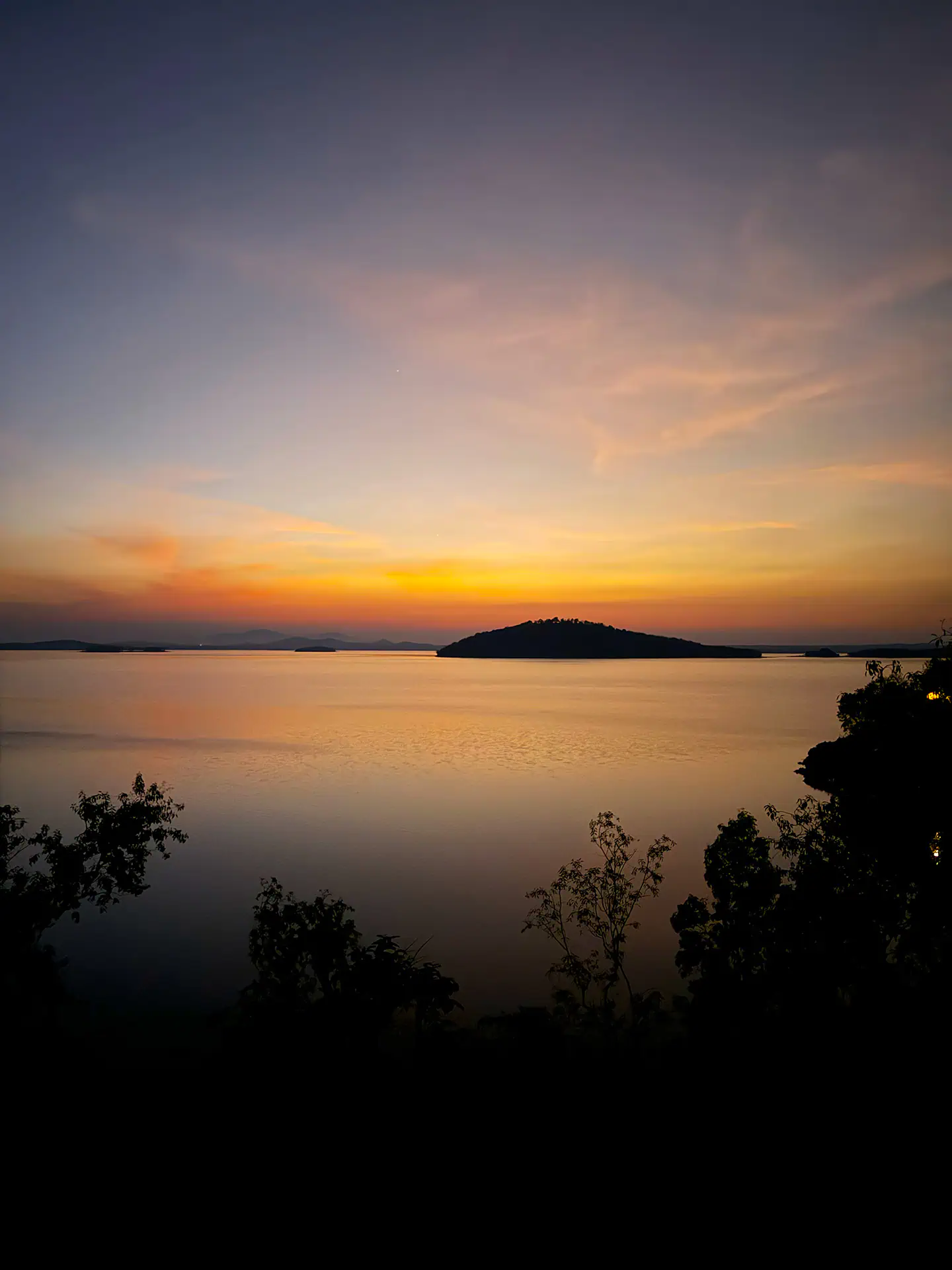
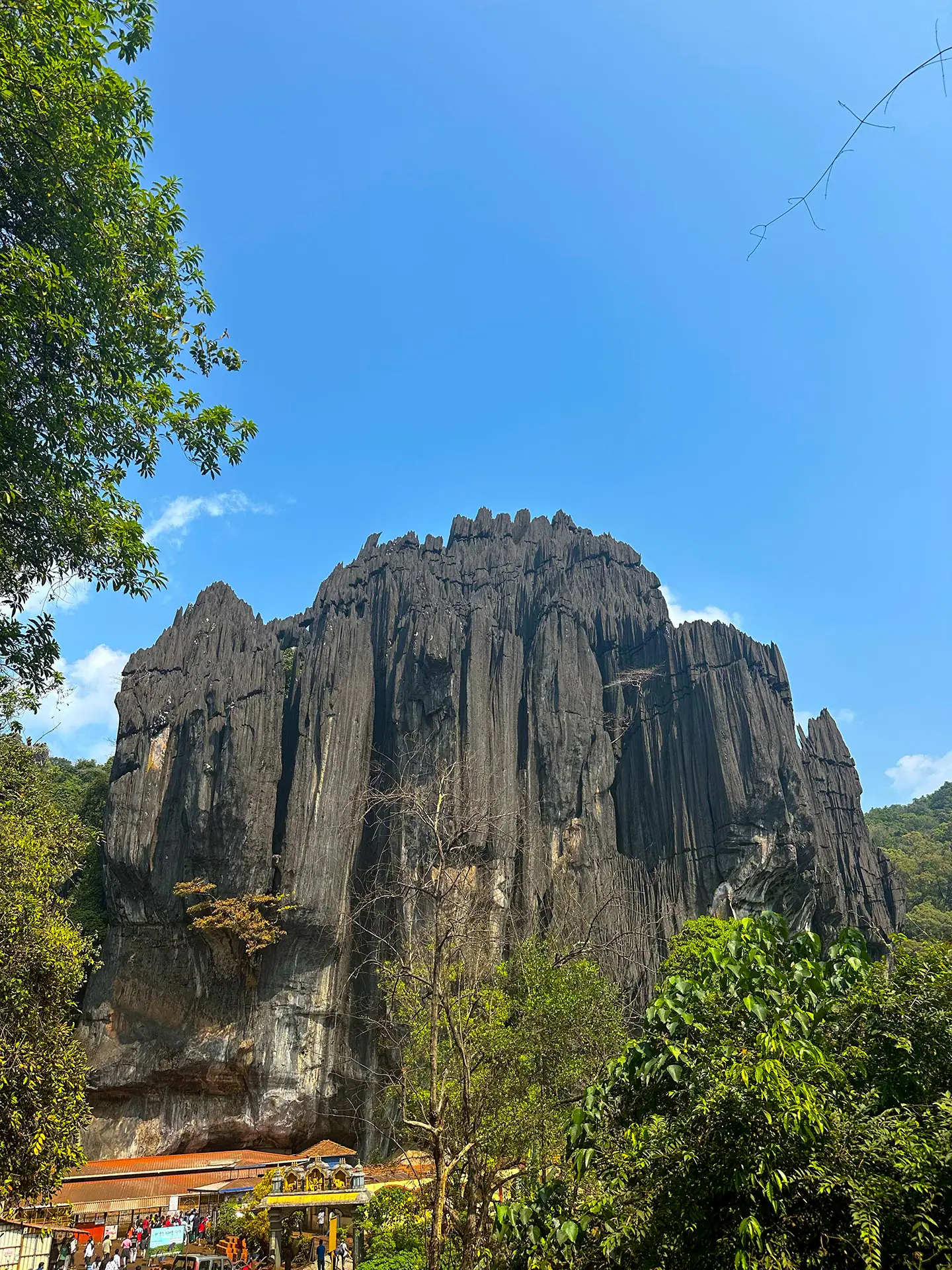
Mix wildlife with Hampi ruins, misty Western Ghats roads, tea gardens, waterfalls, Kerala backwaters, beaches, island lagoons, local markets and everyday South Indian life.
Experience
Beyond the Safari
South India gives The Territory a natural way to extend a wildlife journey into heritage, hills, monsoon landscapes, backwaters, adventure and island travel. Choose experiences because they add depth to the route, not simply because they fill a schedule.
FAQ's
Planning Your Wildlife Experience
What are the best places for a South India wildlife safari?
South India offers diverse wildlife destinations including Nagarhole, Bandipur, Bhadra, Kali, Mudumalai, Periyar, Wayanad and Valparai, with opportunities to experience tigers, elephants, leopards, dholes, gaur and Western Ghats birdlife.
When is the best time to visit South India for a wildlife safari?
October to February generally offers comfortable conditions for wildlife safaris across South India. March to May can be rewarding in several forest regions, while the monsoon transforms the Western Ghats with lush landscapes and spectacular waterfalls.
Which animals can I see on a South India wildlife safari?
Wildlife safaris in South India can offer sightings of Bengal tigers, Asian elephants, leopards, dholes, gaur, sambar, spotted deer, wild boar, sloth bears and diverse birdlife, depending on the destination and season.
Can I combine a South India wildlife safari with other experiences?
Yes. A South India journey can combine wildlife safaris with Western Ghats escapes, heritage sites, tea plantations, hill stations, backwaters, beaches, waterfalls, adventure activities and island destinations such as the Andaman Islands or Lakshadweep.
Which non-wildlife destinations can I include in a South India tour?
You can extend your South India tour with destinations such as Hampi, Mysuru, Coorg, Gokarna, Munnar, Alleppey, Ooty, Pondicherry, Kanyakumari, Hyderabad, Visakhapatnam, Tirupati and the Andaman Islands.
Can The Territory create a private and customised South India wildlife tour?
Yes. The Territory creates private and customised South India wildlife tours around your travel dates, group, wildlife interests, preferred destinations, accommodation style and pace, with opportunities to combine safari and beyond-safari experiences.