East Africa
Wildlife Safari In Kenya
Explore Kenya through private safari journeys across Maasai Mara, Amboseli and Samburu, plus Mount Kenya, Great Rift Valley and cultural experiences.
Plan Your Kenya Safari
- Home
- Destinations
- Africa
- Kenya
Overview
Kenya Safari in East Africa
Kenya is one of East Africa’s defining safari destinations, bringing together the Maasai Mara’s open savannahs, Amboseli’s elephant country, Samburu’s northern wilderness and the dramatic landscapes of the Great Rift Valley. A Kenya safari can be shaped around the Big Five, the Great Wildebeest Migration, wildlife photography, birding, mountain landscapes and cultural experiences. The Maasai Mara is renowned for large concentrations of wildlife and its seasonal connection with the Serengeti ecosystem, while Mount Kenya adds high-altitude forests, moorlands and spectacular scenery. Beyond classic game drives, Kenya offers scenic journeys through the Rift Valley, encounters with Maasai communities, equator experiences and a rich mix of conservation landscapes. For private safari travellers, the country offers the flexibility to combine multiple ecosystems with a considered pace and personalised itinerary.
Wildlife
Wildlife of Kenya
From the Maasai Mara and Amboseli to Samburu and Tsavo, Kenya offers exceptional wildlife diversity for safari, photography and conservation-focused journeys.

African Lion
Iconic African predators commonly encountered across Kenya’s savannah reserves and national parks.

African Elephant
Kenya’s elephants roam Amboseli, Tsavo, Samburu and other protected landscapes.

Spotted Hyena
Social predators, spotted hyenas thrive across Kenya’s savannah ecosystems during safari.

Hippopotamus
Hippos gather in rivers and lakes, especially around Kenya’s freshwater habitats.

Wildebeest
Millions of wildebeest form the moving heart of the Serengeti Migration.

Reticulated Giraffe
Reticulated giraffes are a striking northern Kenya specialty around Samburu conservancies.

Grevy's Zebra
Grevy’s zebras are especially associated with northern Kenya and Samburu.

Black Rhinoceros
Black rhinos are protected in Kenya’s key conservation areas, including Ol Pejeta.
When to Go
When to Visit Kenya
Kenya’s climate varies across its highlands, savannahs, lakes and coast. These month-by-month figures use Maasai Mara averages as a practical safari-planning reference, while local conditions can differ by destination, altitude and year.
- Best Time
- Suboptimal
January
28°C
95 mm
January brings warm, mostly dry Maasai Mara conditions, with active wildlife, green pockets and excellent early-year opportunities for Kenya safari drives, birdwatching and wildlife photography across the plains during mornings.
February
28°C
100 mm
February remains warm and relatively dry, offering comfortable Kenya safari conditions, clear mornings, active predators, and rewarding wildlife photography across the Maasai Mara ecosystem and surrounding conservancies throughout the season.
March
27°C
145 mm
March marks the beginning of the long rains, bringing greener grasslands, fresh vegetation, abundant birdlife, and changing skies across Kenya’s Maasai Mara safari landscape for memorable photographic drives at dawn.
April
26°C
206 mm
April is the wettest month in this reference, with lush landscapes, dramatic clouds, fewer visitors, and excellent opportunities for birdwatching and atmospheric Kenya wildlife photography across the plains and conservancies.
May
25°C
155 mm
May remains comparatively wet, but landscapes stay richly green, supporting birdlife, resident wildlife, and quieter safari drives across the Maasai Mara and surrounding Kenyan wildlife conservancies for photography and exploration.
June
25°C
95 mm
June brings cooler, drier conditions, improving road access and wildlife viewing as Kenya’s safari landscapes begin transitioning toward clearer dry-season months across the Maasai Mara region and conservancies for photographers.
July
25°C
60 mm
July is cool and dry, with low rainfall and open vegetation creating strong wildlife-viewing opportunities across the Maasai Mara during Kenya safari drives, photography sessions and early mornings all month.
August
25°C
80 mm
August remains cool, mostly dry, and comfortable, supporting extended game drives, wildlife photography, and excellent opportunities to experience the Maasai Mara’s seasonal wildlife activity across open grasslands and riverine areas.
September
27°C
95 mm
September stays dry with warm afternoons and limited rainfall, creating favourable conditions for Kenya safari travel, wildlife photography, and long days exploring the Maasai Mara and conservancies under clear skies.
October
28°C
100 mm
October brings warmer temperatures before the short rains, with generally manageable rainfall, active wildlife, and varied landscapes for Kenya safari drives, birdwatching, and photography throughout Kenya’s Maasai Mara region seasonally.
November
27°C
155 mm
November marks the short rains, refreshing the Maasai Mara with greener vegetation, dramatic skies, migratory bird activity, and intermittent showers between rewarding wildlife-viewing periods across Kenya’s safari landscapes and conservancies.
December
27°C
115 mm
December remains warm with periodic short rains, while Kenya’s Maasai Mara continues offering productive wildlife viewing, lush scenery, and memorable festive-season safari experiences for travellers and photographers alike throughout December.
What to See
Beyond the Safari
Kenya’s landscapes offer more than wildlife. Scenic viewpoints, mountain environments and equatorial experiences add depth to a private Kenya safari journey.

Great Rift Valley
Experience Kenya’s Great Rift Valley through dramatic escarpments, volcanic landscapes, scenic lakes, birdlife and viewpoints.

Mount Kenya
Discover Mount Kenya, Africa’s second-highest peak, with forested slopes, alpine landscapes and extraordinary high-altitude scenery.

Equator Visit
Stand on the Equator in Kenya for a geographic experience linking sightseeing, photography and interpretation.
Gallery
Into the Wild of Kenya
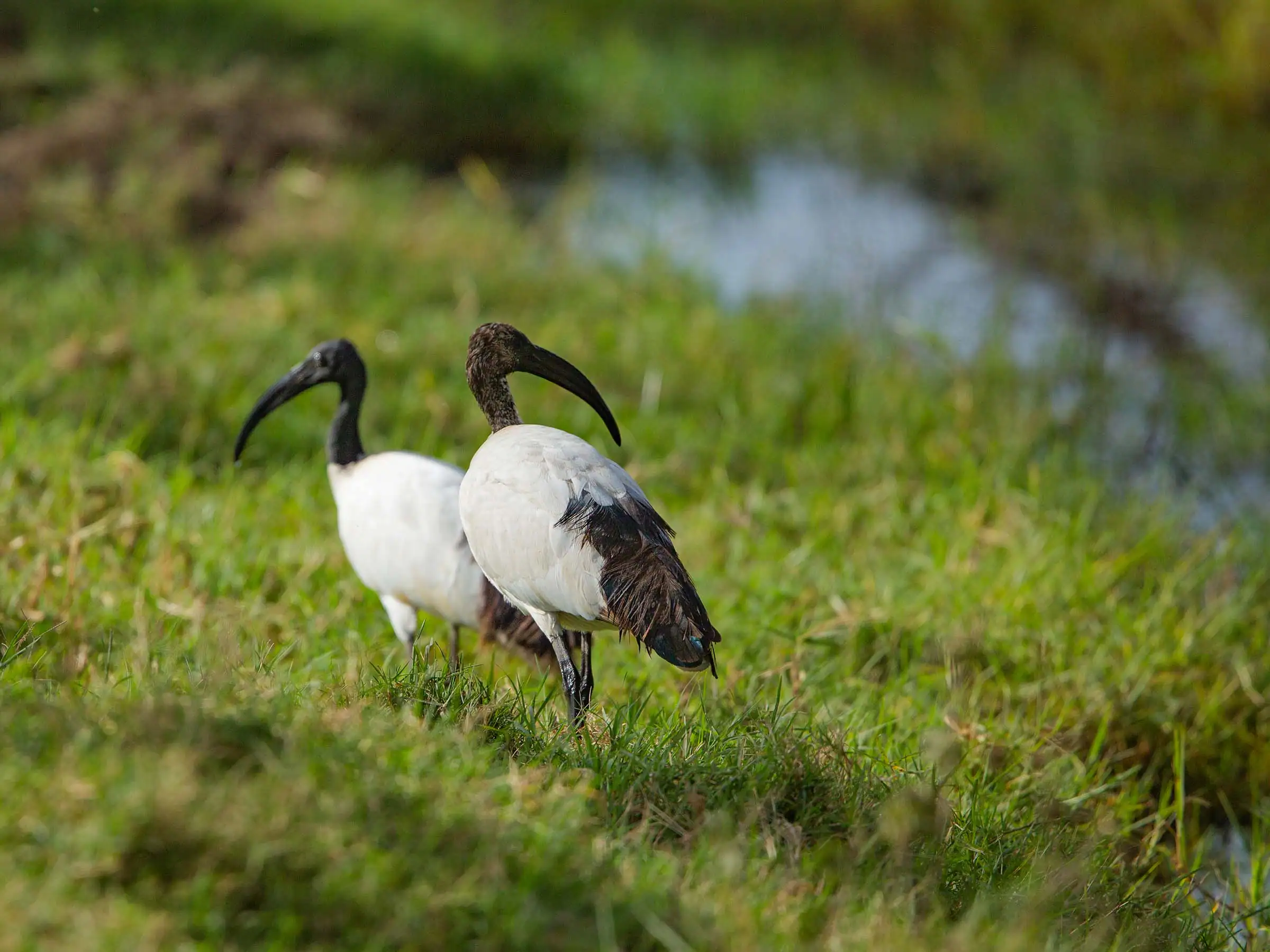
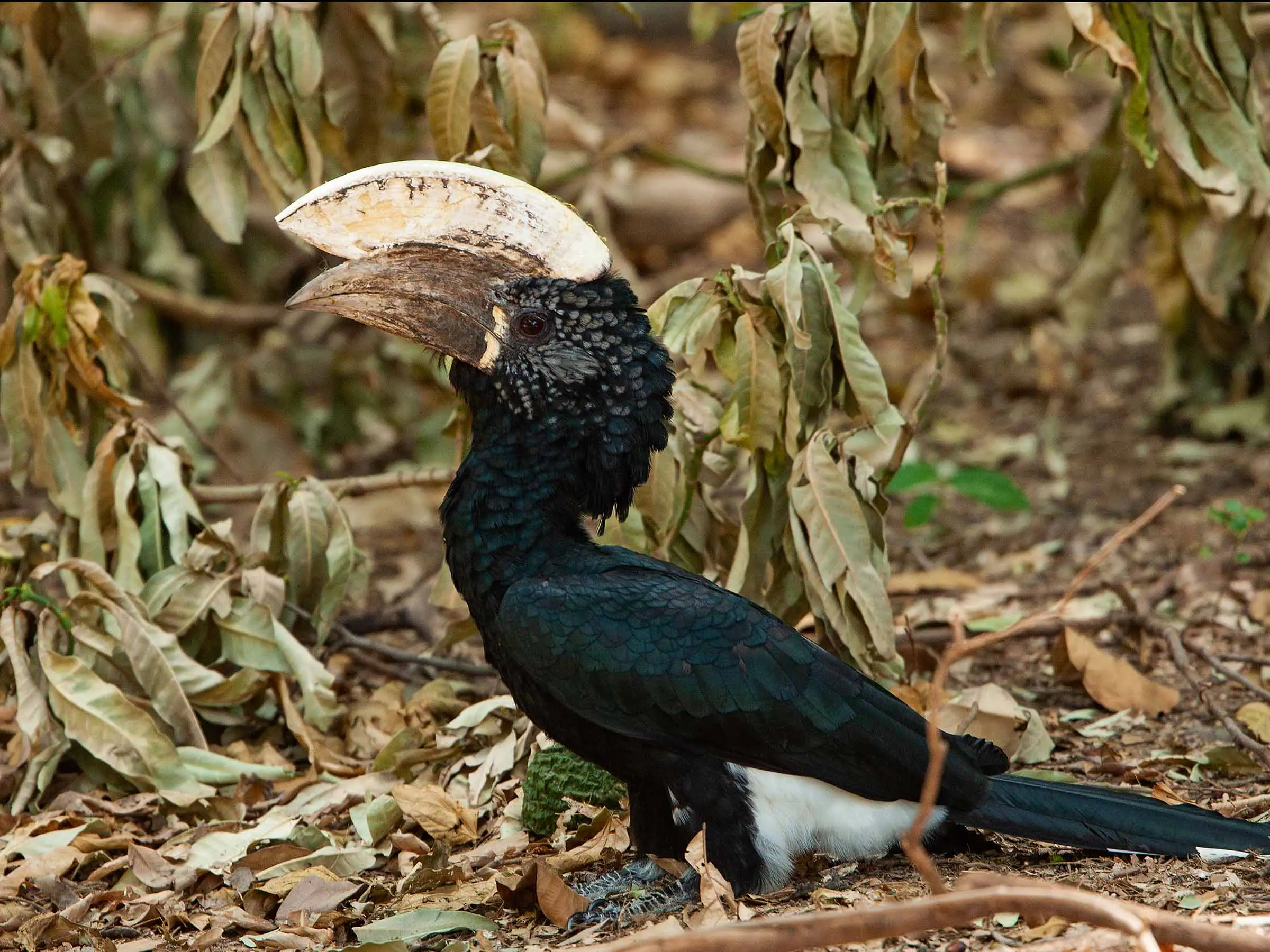
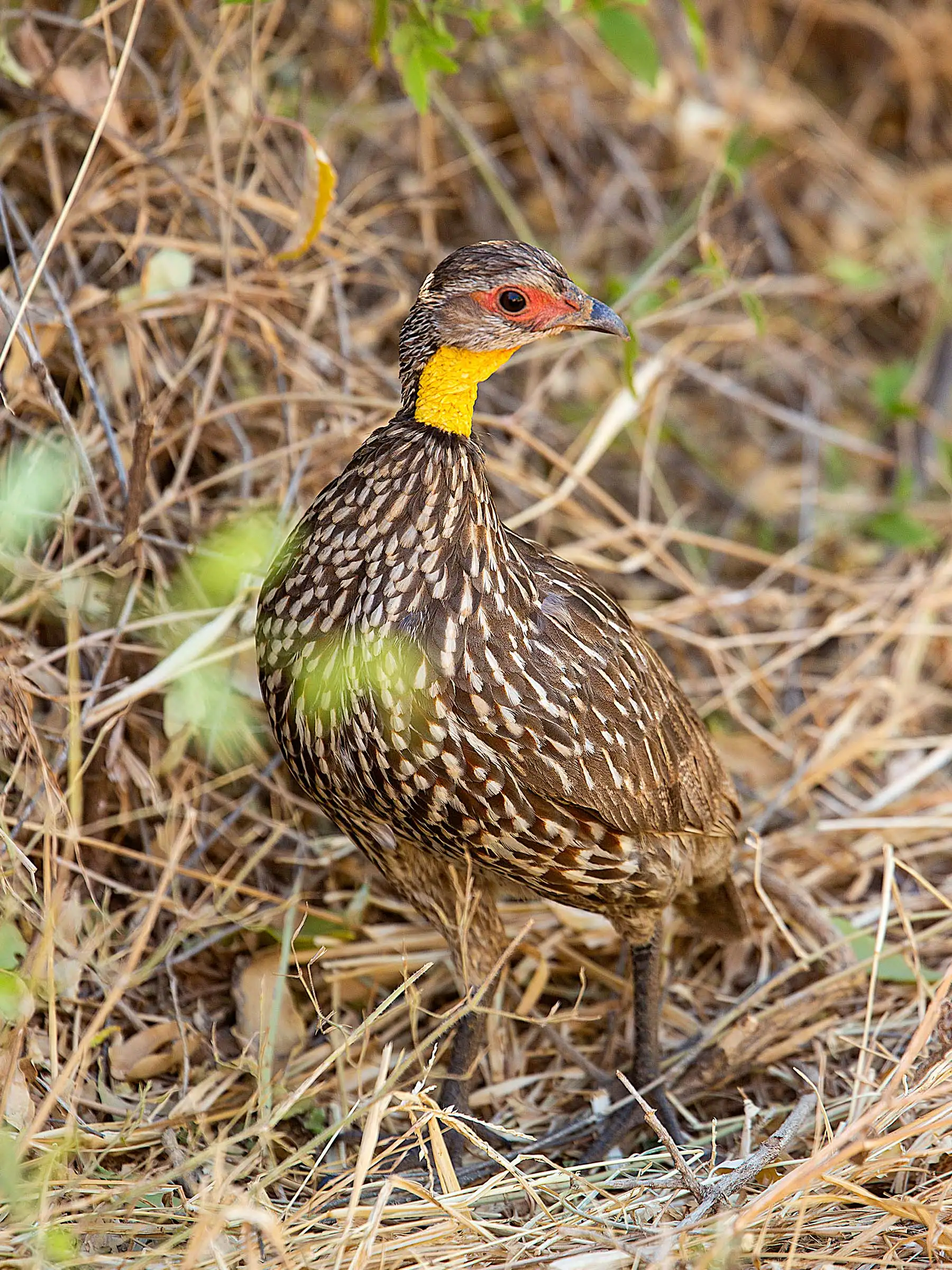
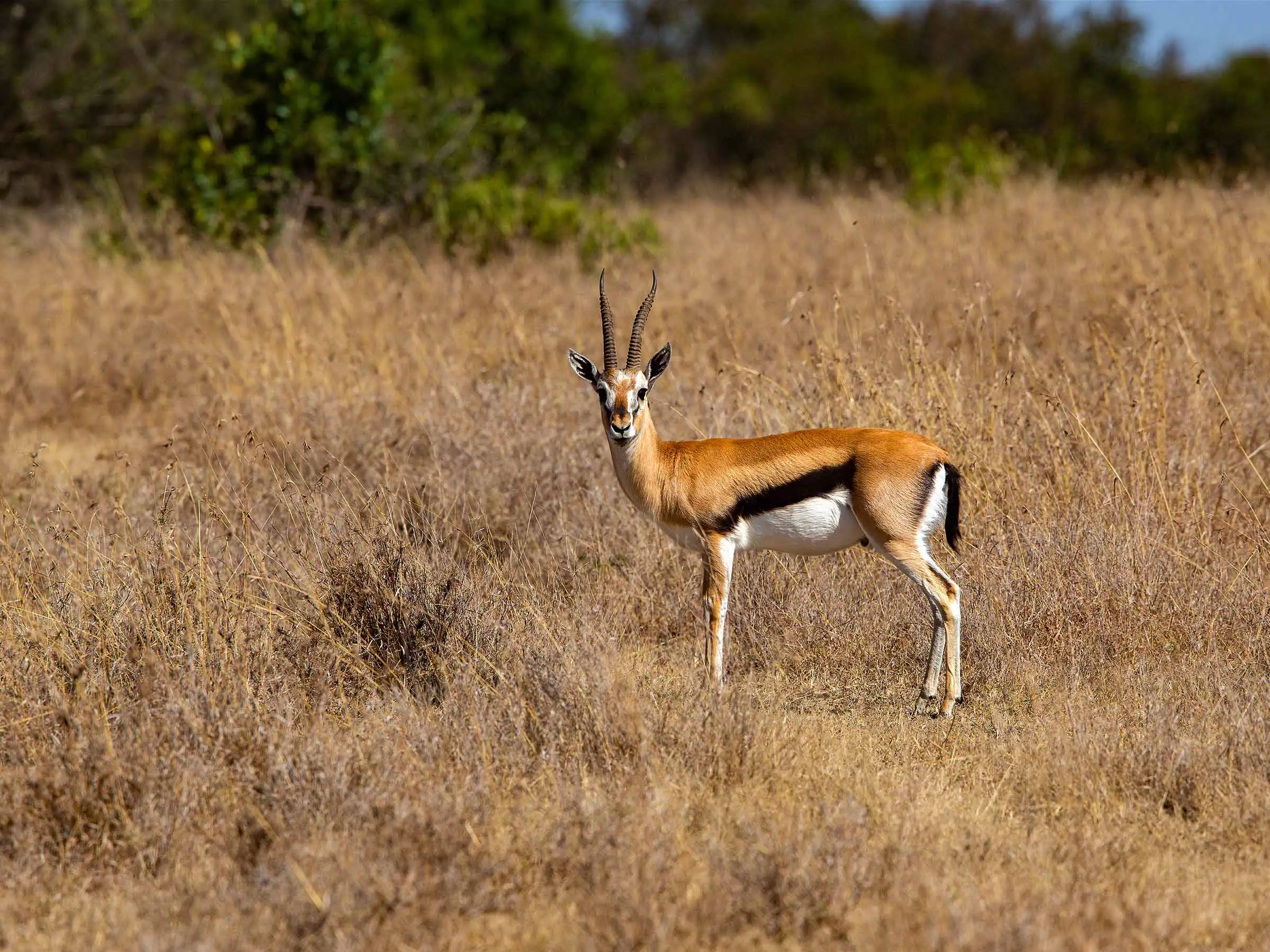
Explore Kenya through a visual journey of iconic wildlife, golden savannahs, dramatic Rift Valley landscapes, Mount Kenya, Maasai culture, and unforgettable private safari moments across East Africa and diverse wilderness.
Experience
A Kenya Journey Built Around You
A Kenya journey can be shaped around wildlife interests, photography goals, landscapes, cultural encounters and the pace you prefer. Combine the Maasai Mara with Samburu, Amboseli, Mount Kenya or the Great Rift Valley, and build a private safari that moves naturally between wildlife viewing, scenic exploration and meaningful local experiences.
FAQ's
Planning Your Wildlife Experience
What is Kenya best known for?
Kenya is known for the Maasai Mara, Great Wildebeest Migration, Big Five wildlife, Amboseli elephants, Samburu landscapes, Mount Kenya and the Great Rift Valley.
Which animals can I see on a Kenya safari?
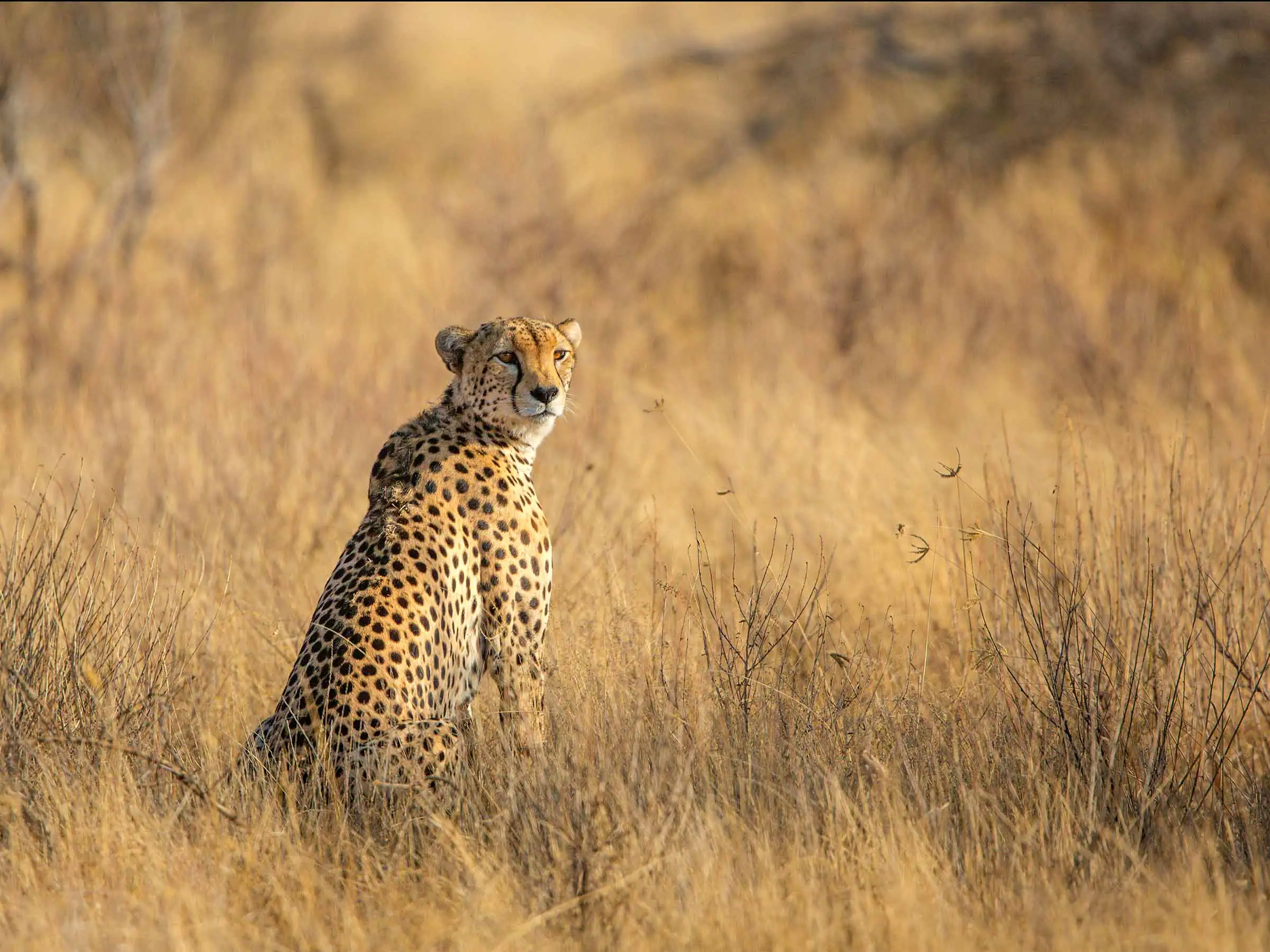
Kenya safari highlights include lions, leopards, elephants, buffalo, rhinos, cheetahs, wildebeest, zebras, giraffes, hippos, hyenas and specialised northern species such as Grevy’s zebra and reticulated giraffe.
When is the best time for a Kenya safari?
June to October is generally drier across the Maasai Mara, while January and February are also relatively dry. Wildlife viewing remains possible year-round, with seasonal changes shaping landscapes and animal movements.
When does the Great Migration reach Kenya?
The Great Migration moves between Tanzania’s Serengeti and Kenya’s Maasai Mara seasonally. Crossings are most commonly associated with the Mara between roughly July and October, although timing varies annually.
Can I combine Kenya safari with Mount Kenya and the Great Rift Valley?
Yes. A private Kenya itinerary can combine Maasai Mara wildlife safaris with Mount Kenya, Great Rift Valley viewpoints, equator experiences and other destinations according to your dates and interests.
Is Kenya suitable for wildlife photography safaris?
Yes. Kenya offers varied photography opportunities across savannahs, wetlands, mountains and northern landscapes, with private safari planning allowing more flexible pacing around light, wildlife behaviour and photographic priorities.