Ladakh • UK • Himachal • J&K
North India Himalayan Journeys
Travel north through a landscape that changes from Punjab’s cultural heartland and Kashmir’s valleys to the high-altitude deserts of Ladakh, the forests and mountains of Himachal Pradesh, and the historic city of Agra.
Plan Your North India Safari
- Home
- Destinations
- India
- North India
Overview
Where Mountains Meet Memory
North India is a region of contrasts. The plains of Punjab and Uttar Pradesh open into the valleys of Jammu & Kashmir, then rise towards the high passes and stark landscapes of Ladakh before reaching the forests and mountain valleys of Himachal Pradesh.
The result is a travel region that works especially well for multi-interest journeys: wildlife and nature, Himalayan road trips, trekking, astronomy, heritage, spirituality, food and local culture. Each stop adds a different layer to the journey.
Wildlife At High Altitude
Wildlife In North India
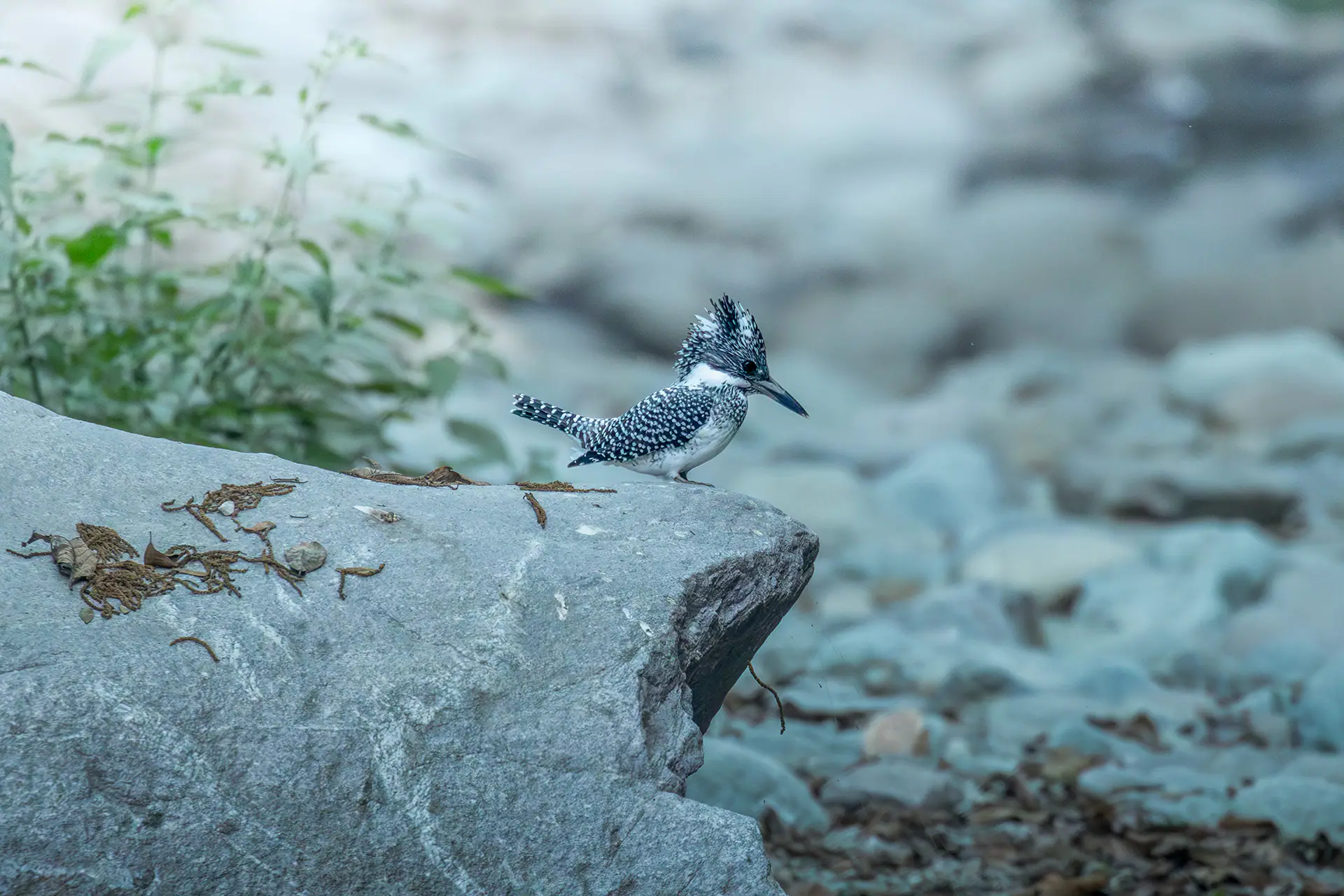
North India adds a different dimension to wildlife travel. Ladakh’s high-altitude ecosystems support snow leopards, Himalayan ibex, blue sheep and rare mountain birds, while the wider Himalayan region includes diverse forest and alpine habitats. Jammu & Kashmir and Himachal Pradesh also offer opportunities for birding and nature-focused travel.

Snow Leopard
A flagship high-altitude predator of Ladakh, best explored through specialised winter wildlife journeys.

Himalayan Ibex
Sure-footed mountain ungulates inhabiting Ladakh’s steep and rugged high-altitude landscapes.

Blue Sheep
Also known as bharal, these mountain ungulates are an important part of Ladakh’s high-altitude food web.

Black-Necked Crane
A rare Himalayan bird associated with the high-altitude wetlands of Ladakh, especially the Changthang region.

Himalayan Marmot
These mountain mammals can be seen in landscapes during warmer months in Ladakh habitats.

Eurasian lynx
Founds specifically in the high-altitude cold desert & mountainous regions of the Himalayas.

Birdlife
Himalayan valleys, wetlands & forest landscapes support diverse resident & migratory birds across the North.
When to Go
Plan Around the Season
The North Zone spans several climate belts, so there is no single ideal season for every destination. Punjab and Agra have a broad plains climate, Kashmir and Himachal follow Himalayan seasons, while Ladakh has a high-altitude desert climate with a much shorter main travel window.
- Open For Safari
January
Plains 7–20°C
Himalaya -5–12°C
Ladakh -20–5°C
Low plains;
snow common in mountains
Cold winter conditions dominate the North Zone. Punjab and Agra are crisp, Kashmir and Himachal may be snowy, while Ladakh is deeply winter-bound.
February
Plains 9–23°C
Himalaya -2–14°C
Ladakh -16–7°C
Low plains;
snow possible in mountains
February remains wintry. Heritage travel in the plains is comfortable with warm clothing, while high Himalayan and Ladakh routes remain highly seasonal.
March
Plains 14–28°C
Himalaya 3–18°C
Ladakh -10–13°C
Low to moderate
Spring begins in the lower regions, while Kashmir and Himachal gradually thaw. Ladakh remains cold but daylight and access begin improving later.
April
Plains 20–34°C
Himalaya 8–23°C
Ladakh -4–20°C
Increasing showers
in hills
April is a strong transition month for lower Himalayan travel. Valley landscapes become greener, while Ladakh remains cold and access is still route-dependent.
May
Plains 25–39°C
Himalaya 12–27°C
Ladakh 1–25°C
Moderate hills;
low Ladakh
Warm conditions arrive across the plains and many Himalayan valleys become pleasant. Ladakh begins opening for the main summer travel season.
June
Plains 28–40°C
Himalaya 16–30°C
Ladakh 5–30°C
Monsoon begins in Himalaya;
low Ladakh
June is a useful month for combining Manali and Ladakh as access opens. Plains are hot, while high-altitude landscapes become increasingly accessible.
July
Plains 27–36°C
Himalaya 15–27°C
Ladakh 10–30°C
Monsoon in plains;
low Ladakh
Monsoon affects Punjab, Uttar Pradesh and parts of Himachal, while Ladakh remains comparatively dry. High-altitude travel is particularly attractive during this season.
August
Plains 26–34°C
Himalaya 14–26°C
Ladakh 9–30°C
Monsoon in lower regions;
low Ladakh
Green landscapes dominate the lower Himalaya and plains receive monsoon rain. Ladakh remains dry and generally suits high-altitude journeys, subject to local road conditions.
September
Plains 25–34°C
Himalaya 12–25°C
Ladakh 3–25°C
Rain eases;
low Ladakh
September brings clearer conditions in Ladakh and gradually improving weather elsewhere. It is a strong month for mountain landscapes, photography and road journeys.
October
Plains 18–32°C
Himalaya 6–21°C
Ladakh -2–20°C
Mostly dry
Autumn sharpens visibility and colours across much of the North. It is favourable for heritage, Kashmir and Himachal travel, while Ladakh begins cooling quickly.
November
Plains 12–27°C
Himalaya 1–16°C
Ladakh -10–12°C
Dry;
snow begins higher up
Cooler, clearer conditions suit the plains and lower Himalayan destinations. Ladakh becomes increasingly wintry, with specialised wildlife travel beginning to become relevant.
December
Plains 8–21°C
Himalaya -3–12°C
Ladakh -16–7°C
Low plains;
snow in mountains
Winter returns across the region. The plains remain accessible for culture and heritage, while snowy Kashmir and Himachal offer a different seasonal journey.
What to See
Many Places, One West
West India is best explored as a collection of contrasting landscapes. Combine wildlife and wetlands in Gujarat, hill country and heritage in Maharashtra, and forested waterfalls and temples in Goa to create a journey with more than one rhythm.

Amritsar
Explore Amritsar for living heritage, Punjabi food, historic landmarks and the cultural atmosphere surrounding its famous Golden Temple.

Golden Temple
Experience the Golden Temple’s serene architecture, sacred pool, devotional atmosphere and enduring spiritual significance in Amritsar.

Srinagar
Discover Srinagar through Dal Lake, Mughal gardens, houseboats and the layered cultural landscape of Kashmir.

Kargil
Travel through Kargil for dramatic mountain valleys, Himalayan road journeys, local culture and access towards Ladakh.

Leh
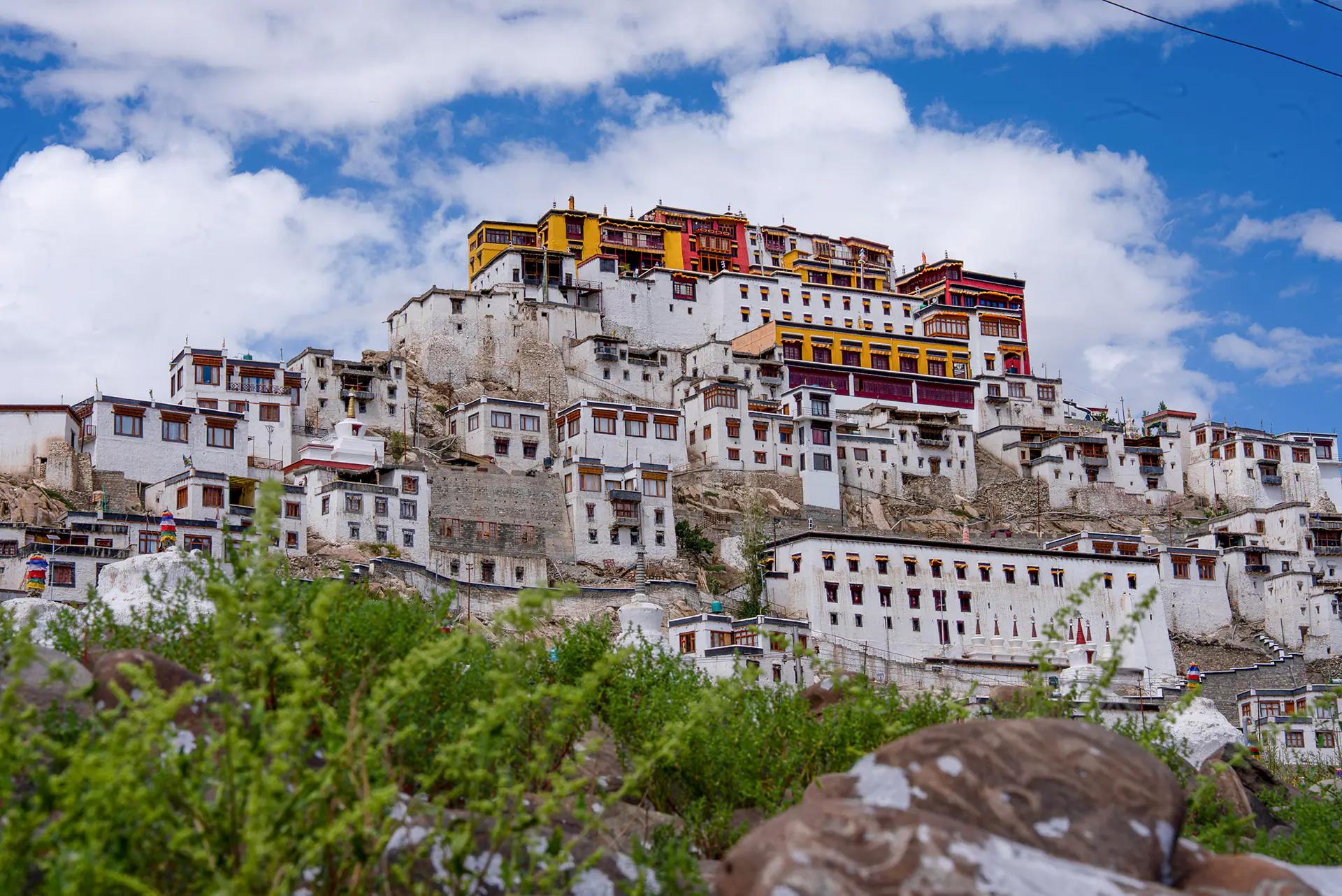
Explore Leh’s monasteries, palace, markets and mountain surroundings before continuing into Ladakh’s high-altitude landscapes.

Hunder
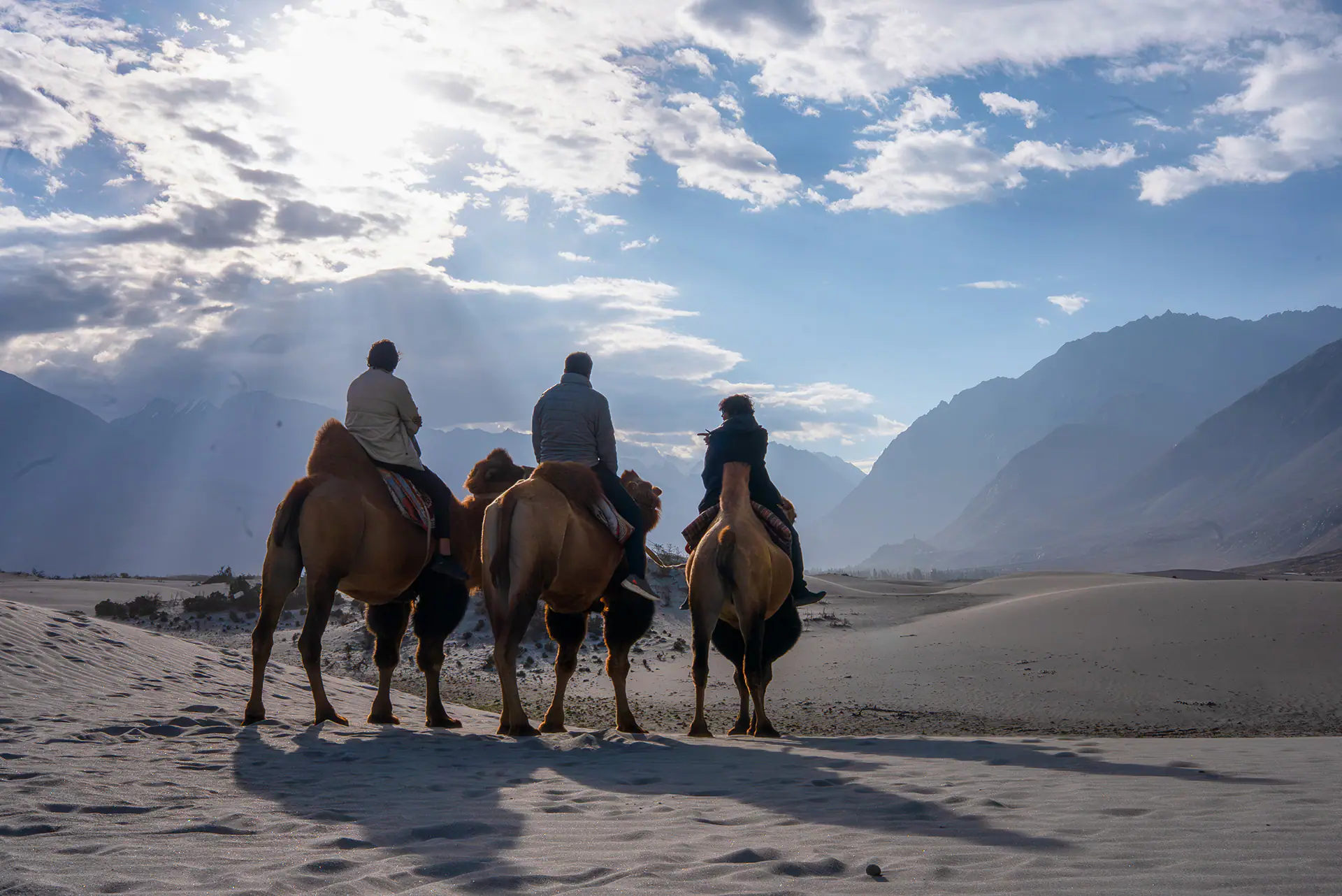
Experience Hunder’s cold-desert dunes, Bactrian camels, mountain scenery and gateway to Nubra Valley adventures.

Turtuk
Visit Turtuk for Balti culture, apricot orchards, stone houses and a distinct village landscape in Nubra.

Thang
Travel towards Thang, one of Ladakh’s remote northern settlements, surrounded by stark mountains and borderland landscapes.

Hanle Dark Sky Reserve
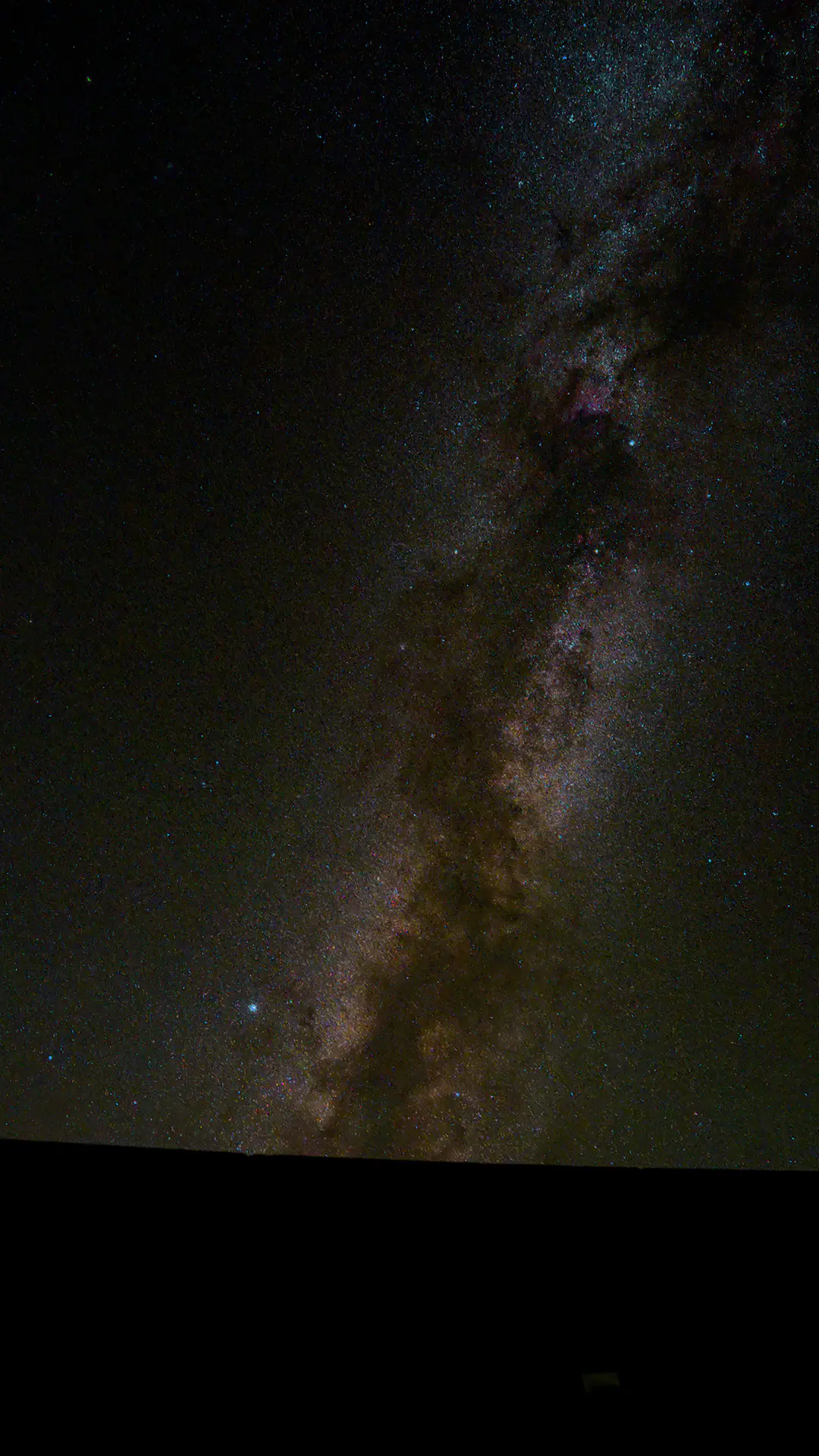
Discover Hanle’s remote high-altitude landscape and remarkably clear night skies, central to Ladakh’s growing astro-tourism experience.

Umling La
Cross the spectacular Umling La route for dramatic high-altitude scenery and one of Ladakh’s most recognisable mountain-pass journeys.

Manali
Discover Manali through the Beas Valley, deodar forests, mountain viewpoints, temples, cafés and nearby adventure landscapes.

Taj Mahal, Agra
Visit the Taj Mahal for its iconic marble architecture, Mughal history, gardens and timeless views across Agra.
Gallery
The North, In Every Frame
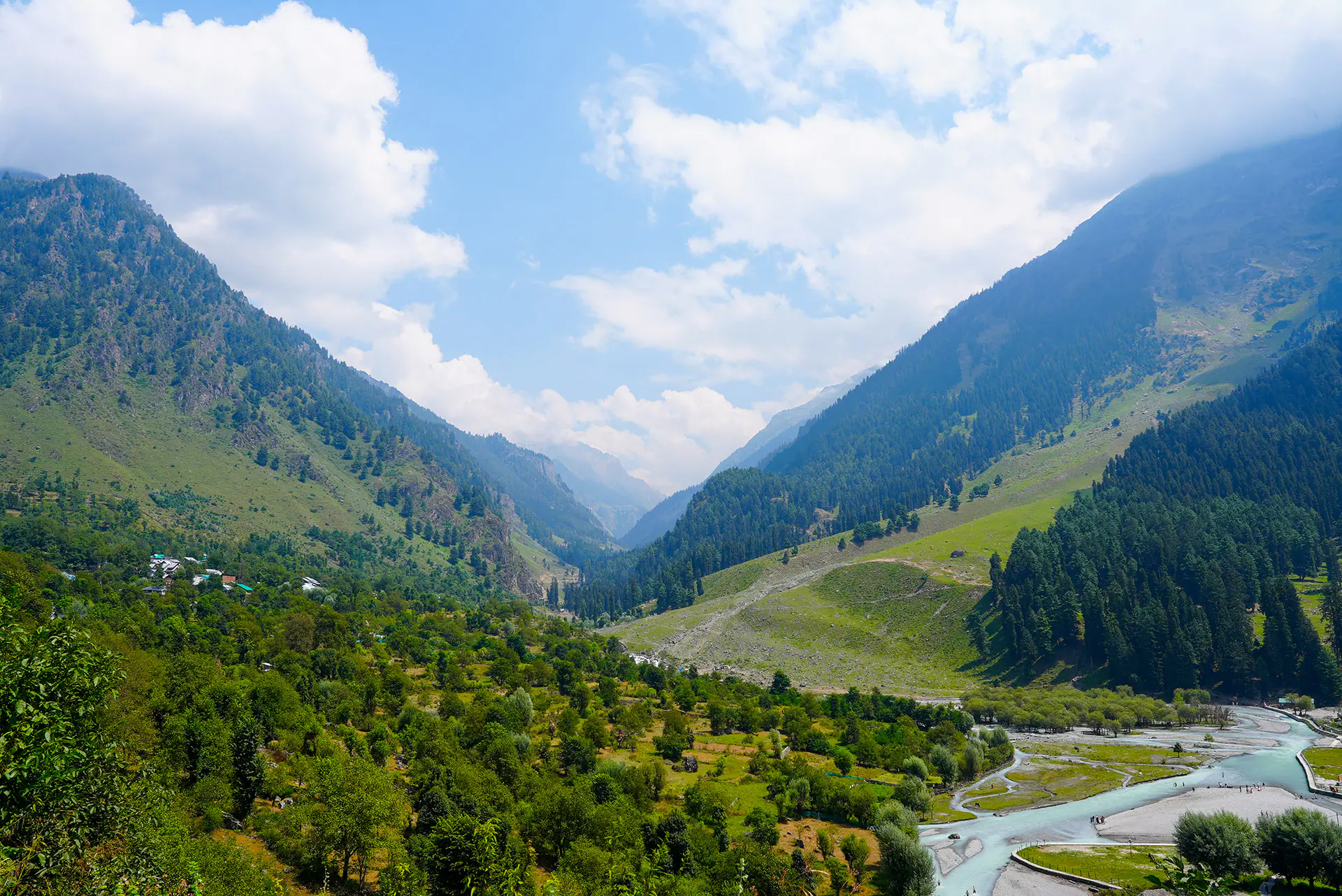
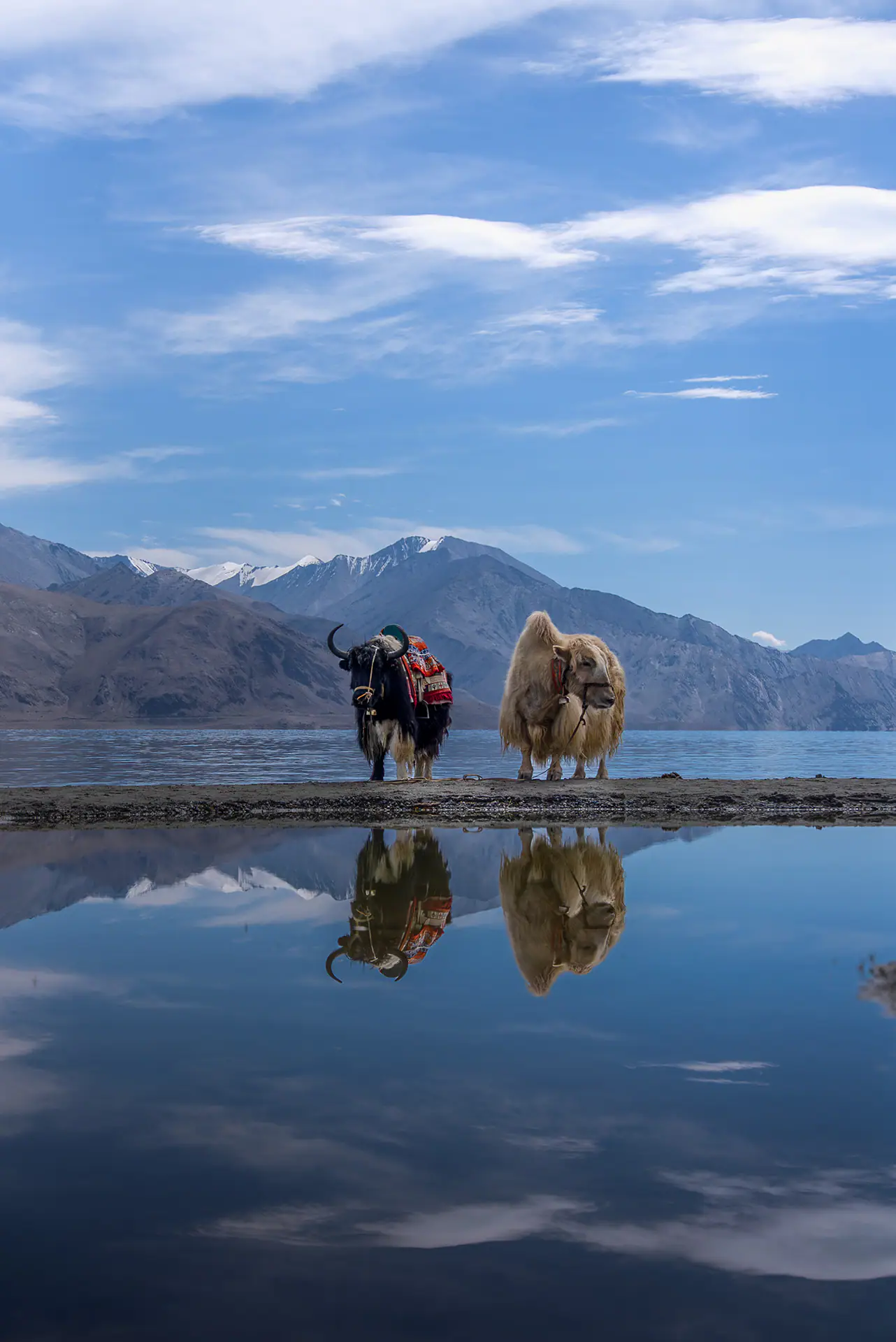
The North Zone is visually defined by change: golden plains, Kashmiri waters, mountain roads, stark Ladakhi valleys, snow peaks, prayer flags, ancient architecture and wide Himalayan skies.
Experience
Experience North India Differently
The North Zone works especially well for travellers who want a journey that keeps changing. Depending on destination, season and local rules, the experience can include high-altitude drives, trekking, wildlife observation, photography, astronomy, heritage walks and time in local communities.
FAQ's
Planning Your Wildlife Experience
What destinations are included in the North Zone?
The North Zone includes selected destinations across Punjab, Jammu & Kashmir, Ladakh, Himachal Pradesh and Uttar Pradesh, including Amritsar, Srinagar, Kargil, Leh, Nubra Valley locations, Hanle, Umling La, Manali and Agra.
Is the North Zone mainly a wildlife destination?
No. It combines wildlife and nature with Himalayan travel, high-altitude landscapes, culture, adventure, astronomy and major heritage landmarks. This wider mix is central to the North Zone’s identity.
When is the best time to visit North India?
There is no single best season for the full region. October to March is generally comfortable for many plains and heritage journeys, summer is important for Ladakh, and winter is specialised for snow experiences and some high-altitude wildlife travel.
What can I see in Ladakh besides mountains?
Ladakh offers monasteries, high-altitude lakes, remote villages, wildlife, mountain passes, local culture and astro-tourism. Leh, Nubra, Hanle and other landscapes each offer a different perspective.
Why include Amritsar and Agra in a North India journey?
Both add strong cultural and heritage dimensions. Amritsar brings living Sikh heritage and Punjabi culture, while Agra introduces Mughal architecture through the Taj Mahal and surrounding monuments.
Can Umling La be included in a Ladakh road journey?
Yes, where route access and current regulations permit. Weather, road conditions, local requirements and altitude should be considered when planning high-altitude routes such as Umling La.