Assam • Odisha • West Bengal
East India Wildlife Safari
Our East Zone wildlife journeys bring together wildlife-rich landscapes where rhinoceros, tigers, elephants, primates, birds and other species share habitats shaped by water and forest.
Plan Your East India Safari
- Home
- Destinations
- India
- East India
Overview
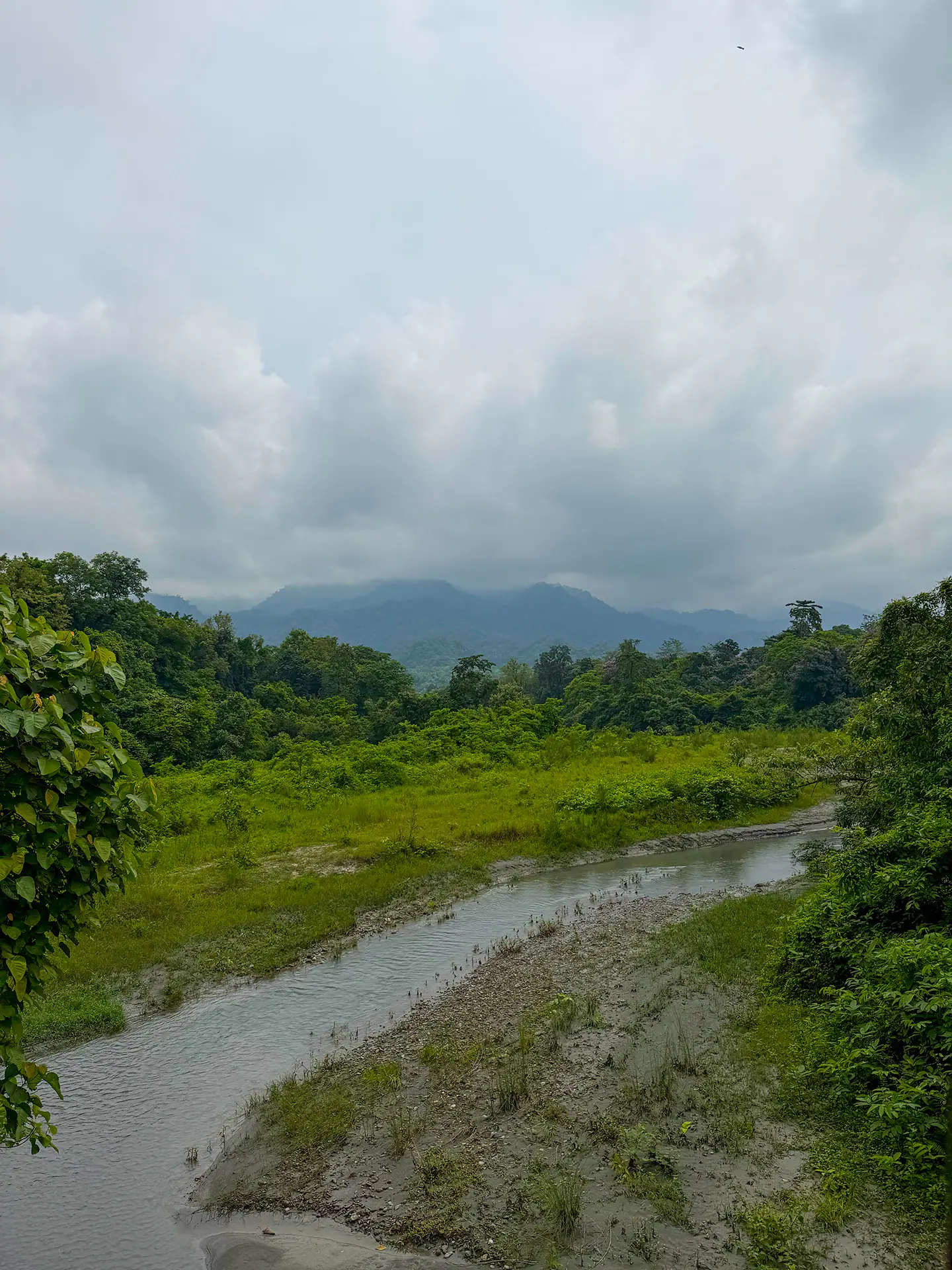
Where Water, Forest & Wildlife Meet
East India is defined by contrast. Assam’s floodplains, wetlands and grasslands create some of India’s best-known rhinoceros and riverine wildlife habitats, while the forests of Odisha bring together tigers, elephants, birds and other species across a very different landscape. Across the region, rivers, forests and open country shape the way wildlife is seen. For travellers, an East India wildlife safari can move beyond a single flagship species. A journey may begin with the greater one-horned rhinoceros in Kaziranga, continue into the forested landscapes of Manas, look for hoolock gibbons at Hollongapar, or explore the varied ecosystems of Similipal and Satkosia.
More Than The Rhino
Wildlife In East India
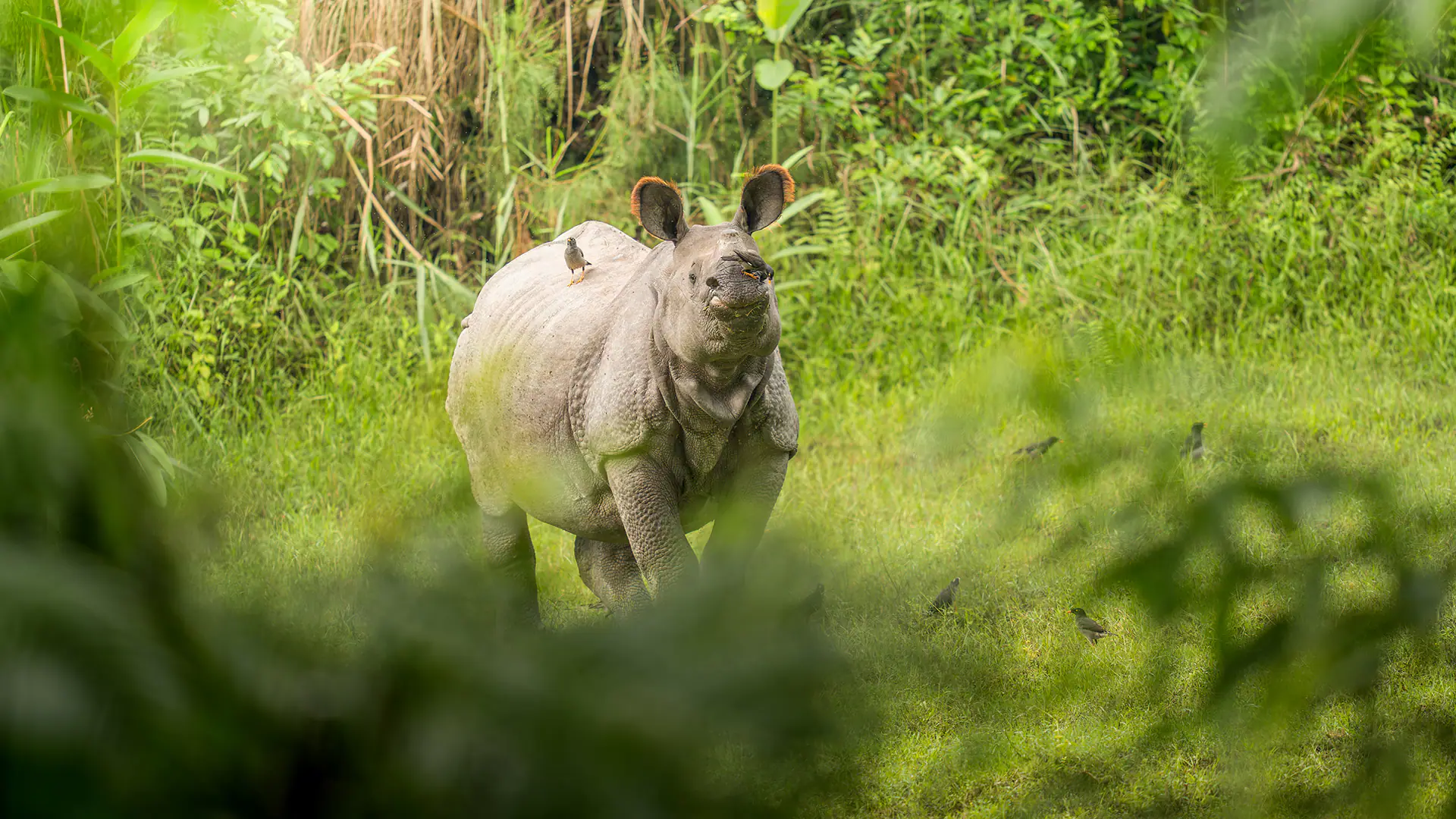
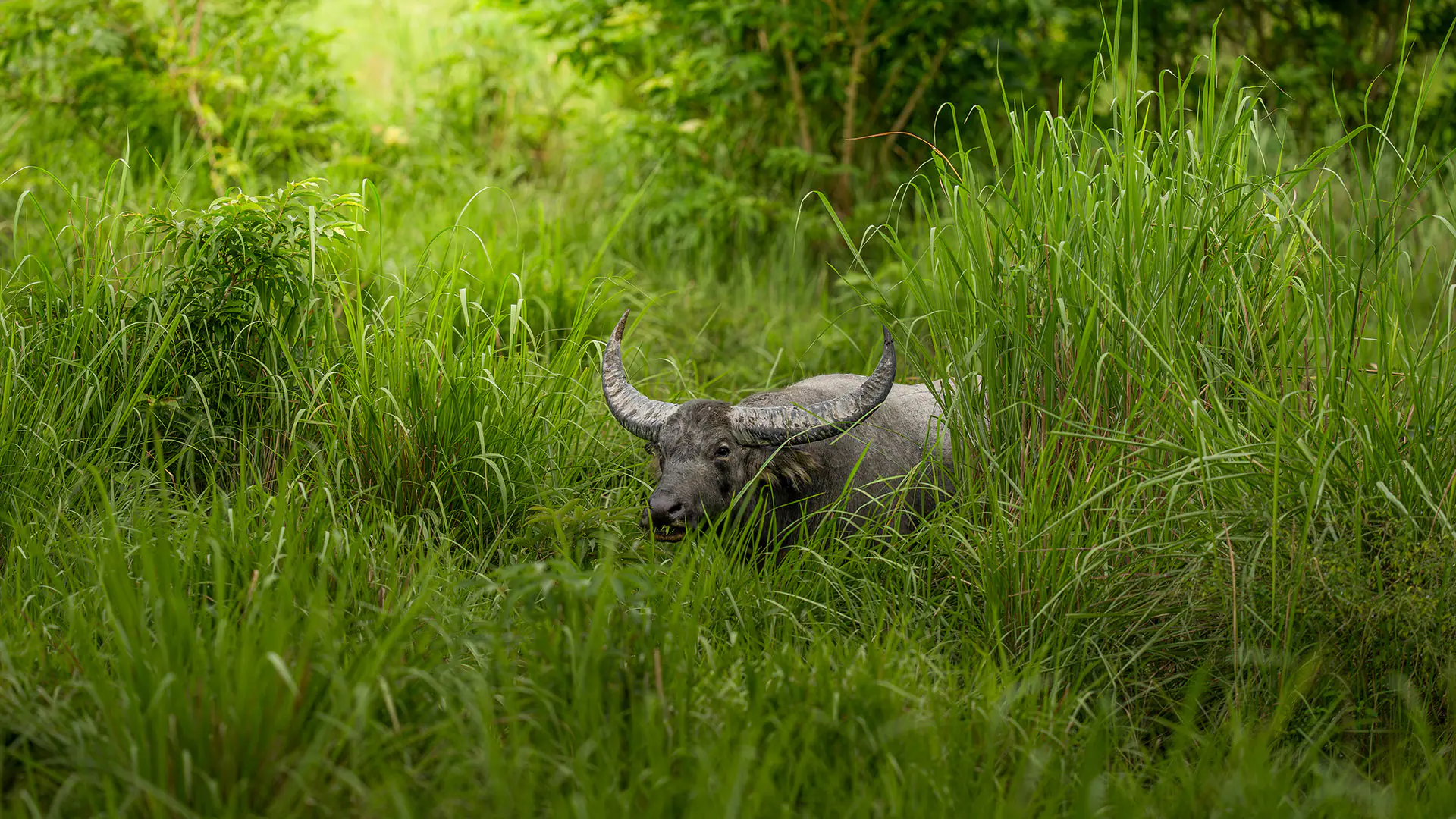
East India is one of the richest regions for seeing wildlife in very different habitats. The greater one-horned rhinoceros is a defining species of Assam, but the wider region also supports tigers, Asian elephants, wild water buffalo, deer, leopards, dholes, primates, crocodiles and an extraordinary range of birds.

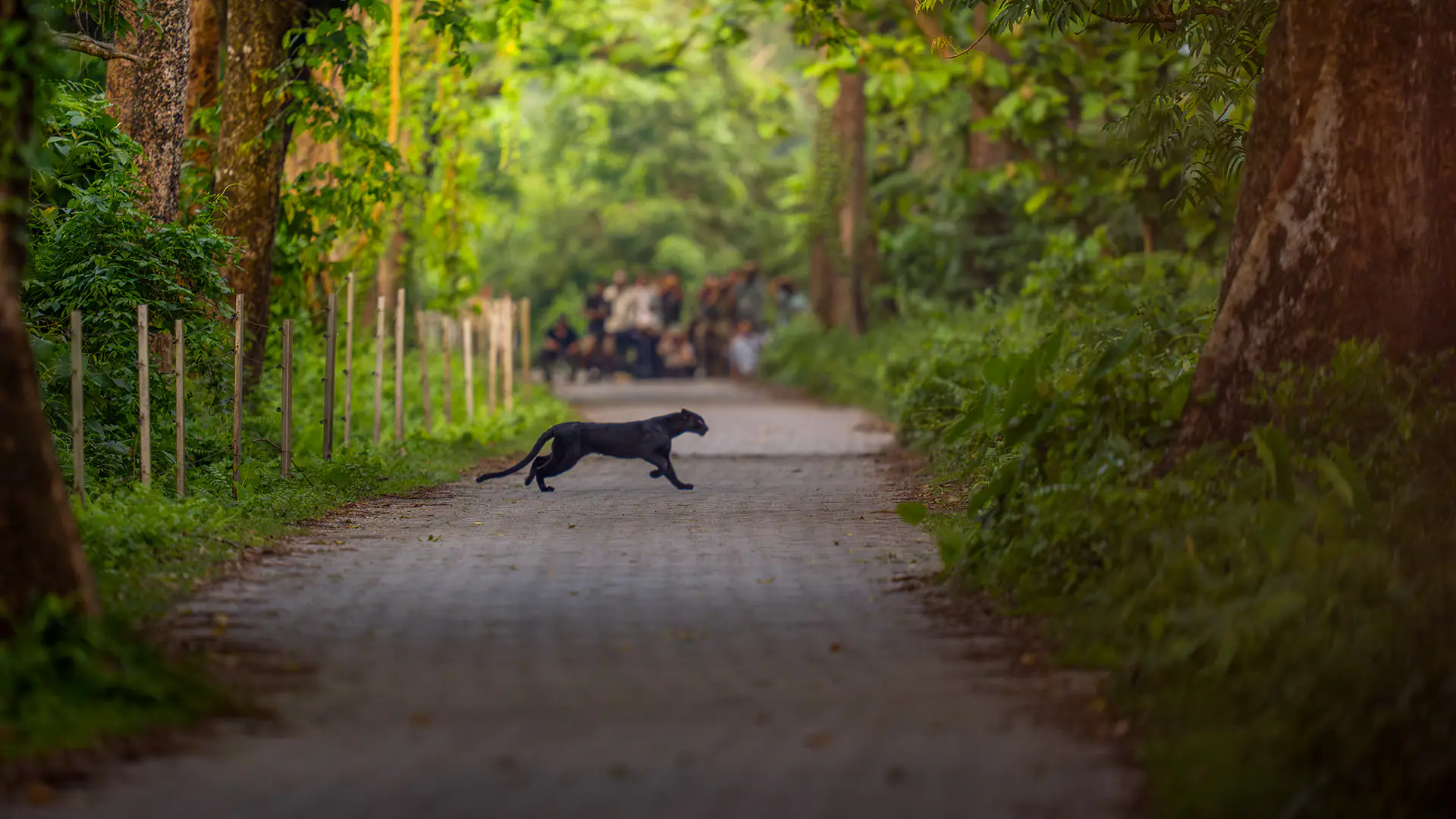
Bengal Tiger
Found across several landscapes, including Kaziranga, Manas, Similipal & Satkosia’s wider wildlife region.

One-Horned Rhinoceros
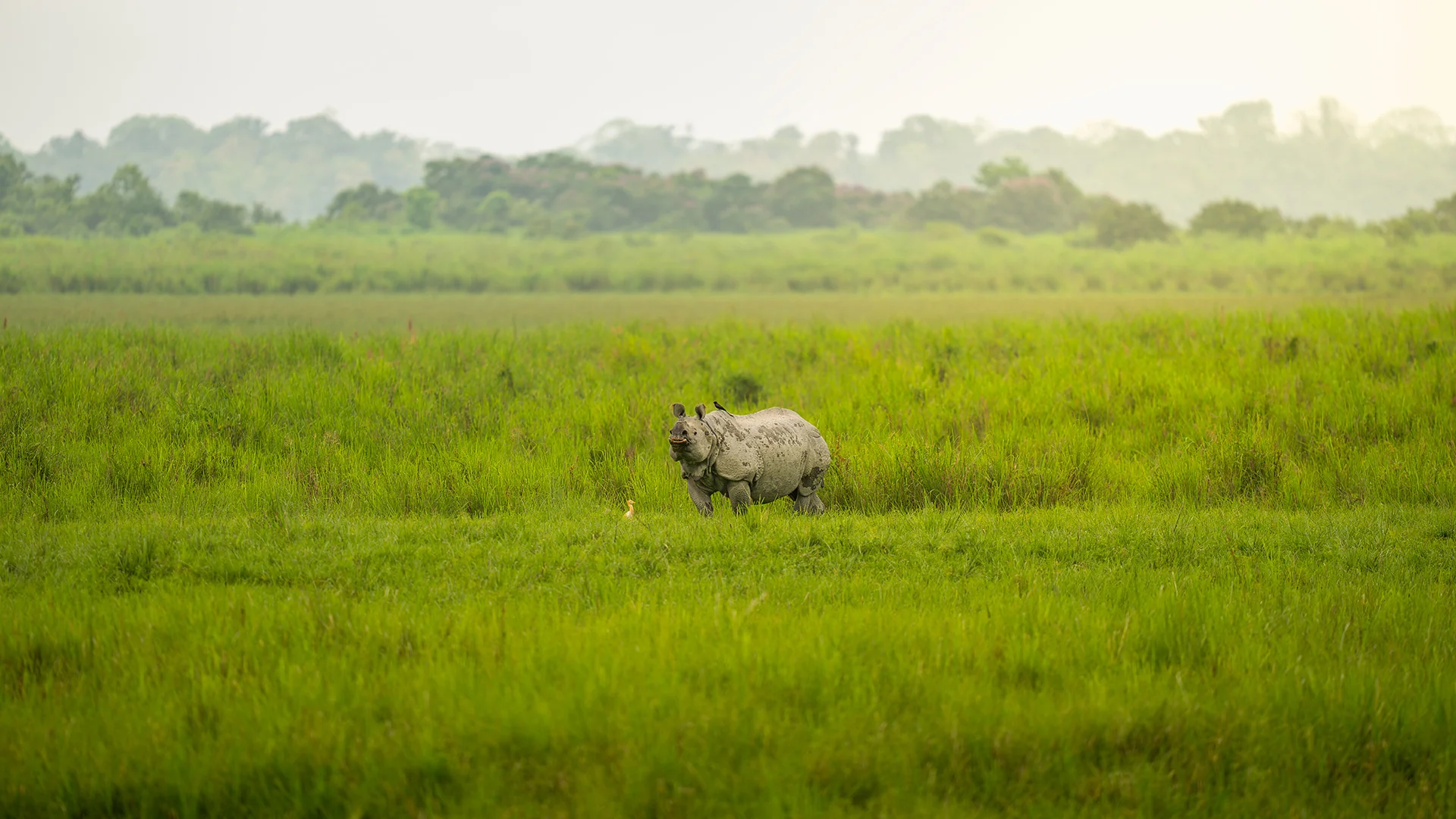
A flagship species of Assam’s floodplains and grasslands, particularly associated with Kaziranga.

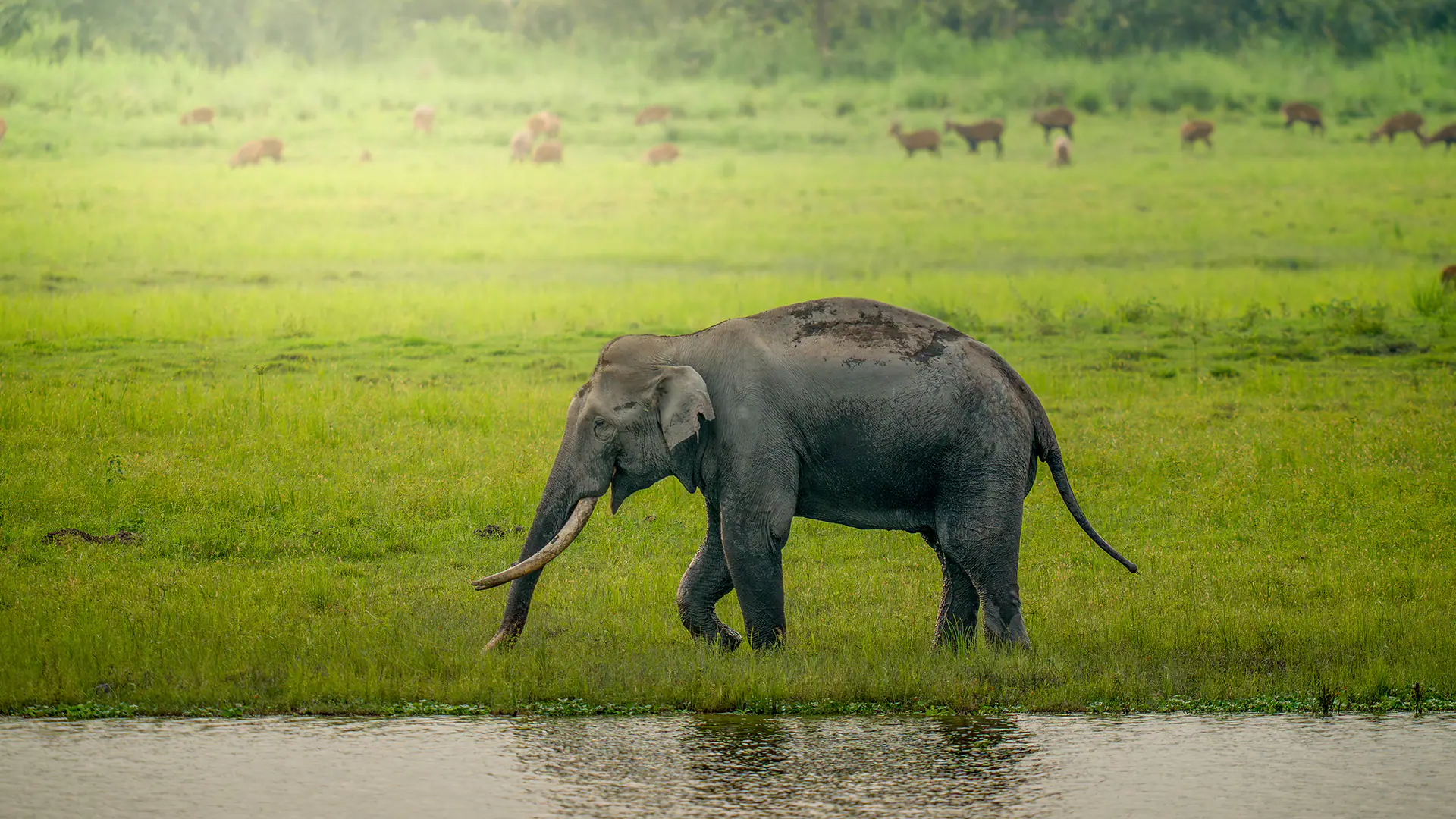
Asian Elephant
Moves through grasslands, forests and riverine landscapes across Assam and Odisha.

Wild Water Buffalo
A distinctive large herbivore associated with Assam’s wetlands and grassland ecosystems.

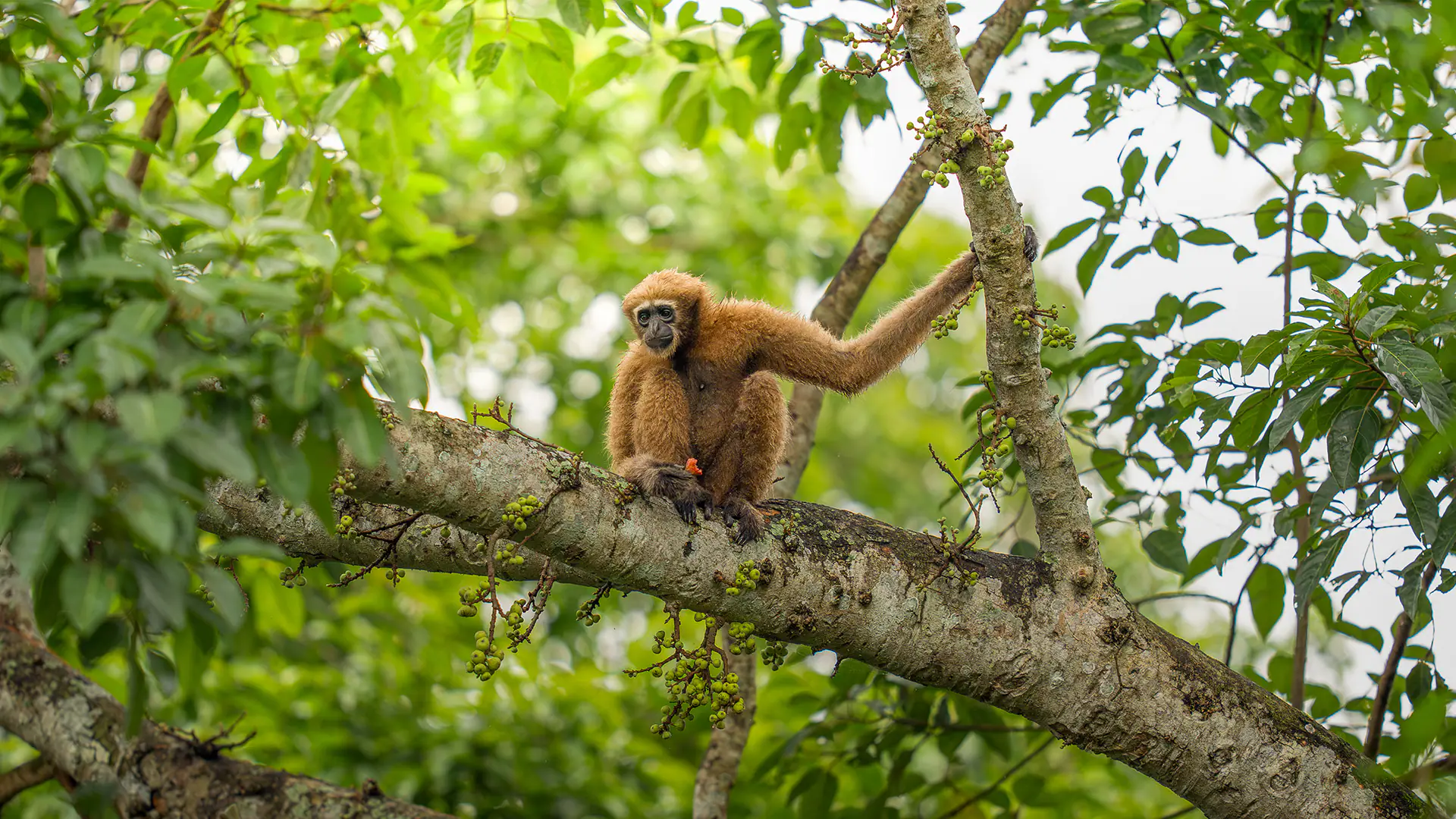
Hoolock Gibbon
India’s only ape, closely associated with the evergreen forests of Hollongapar.

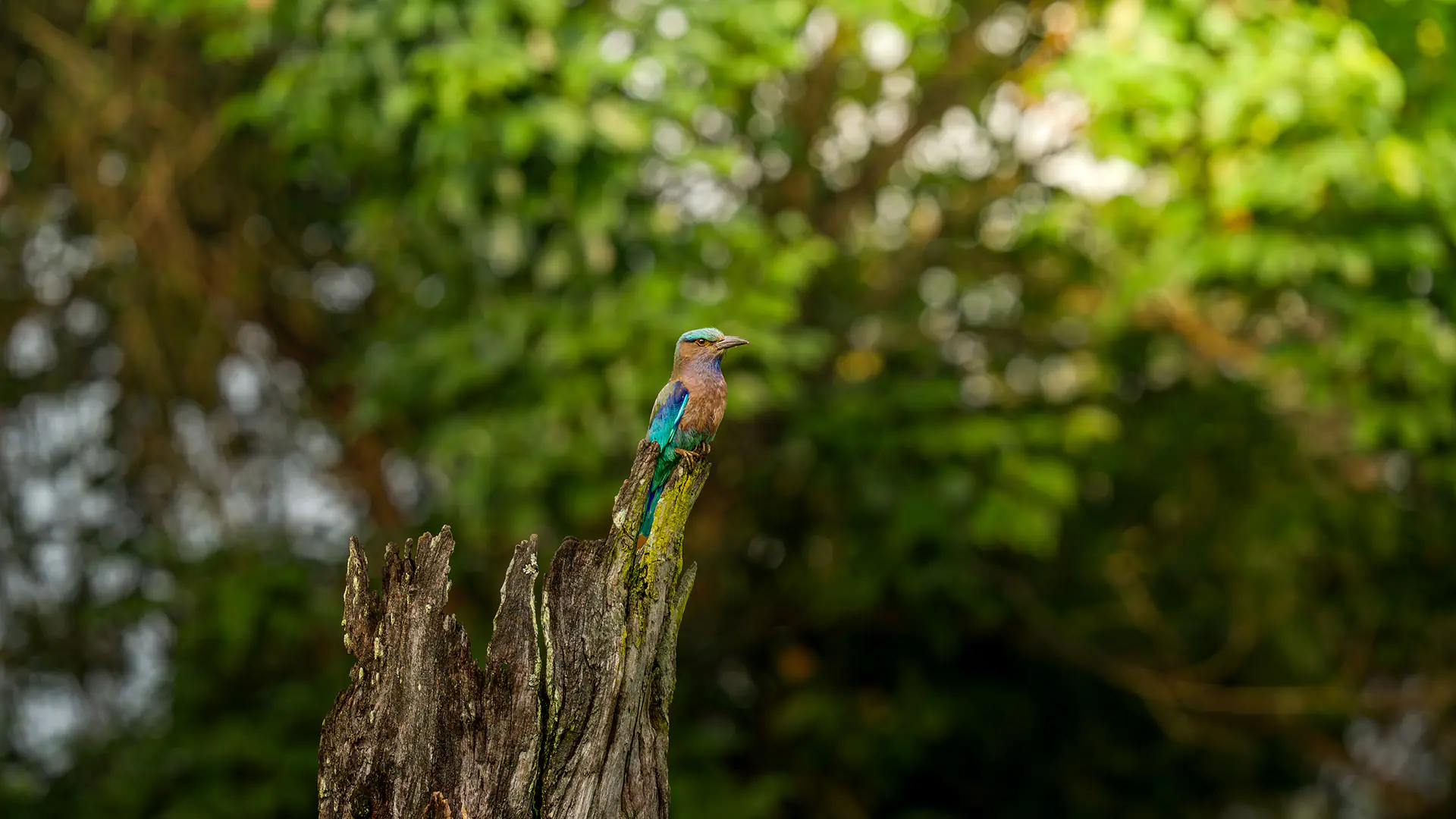
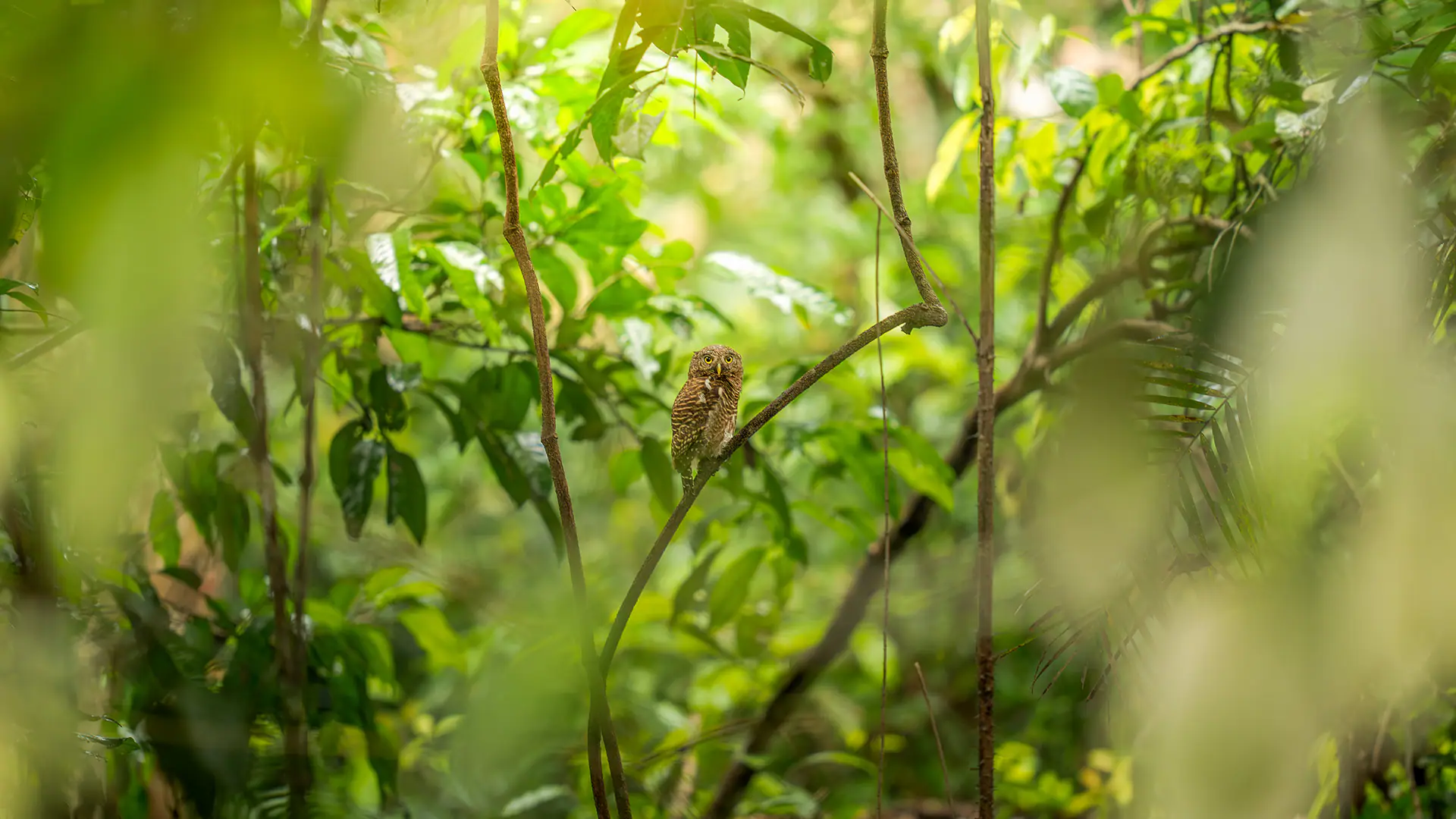
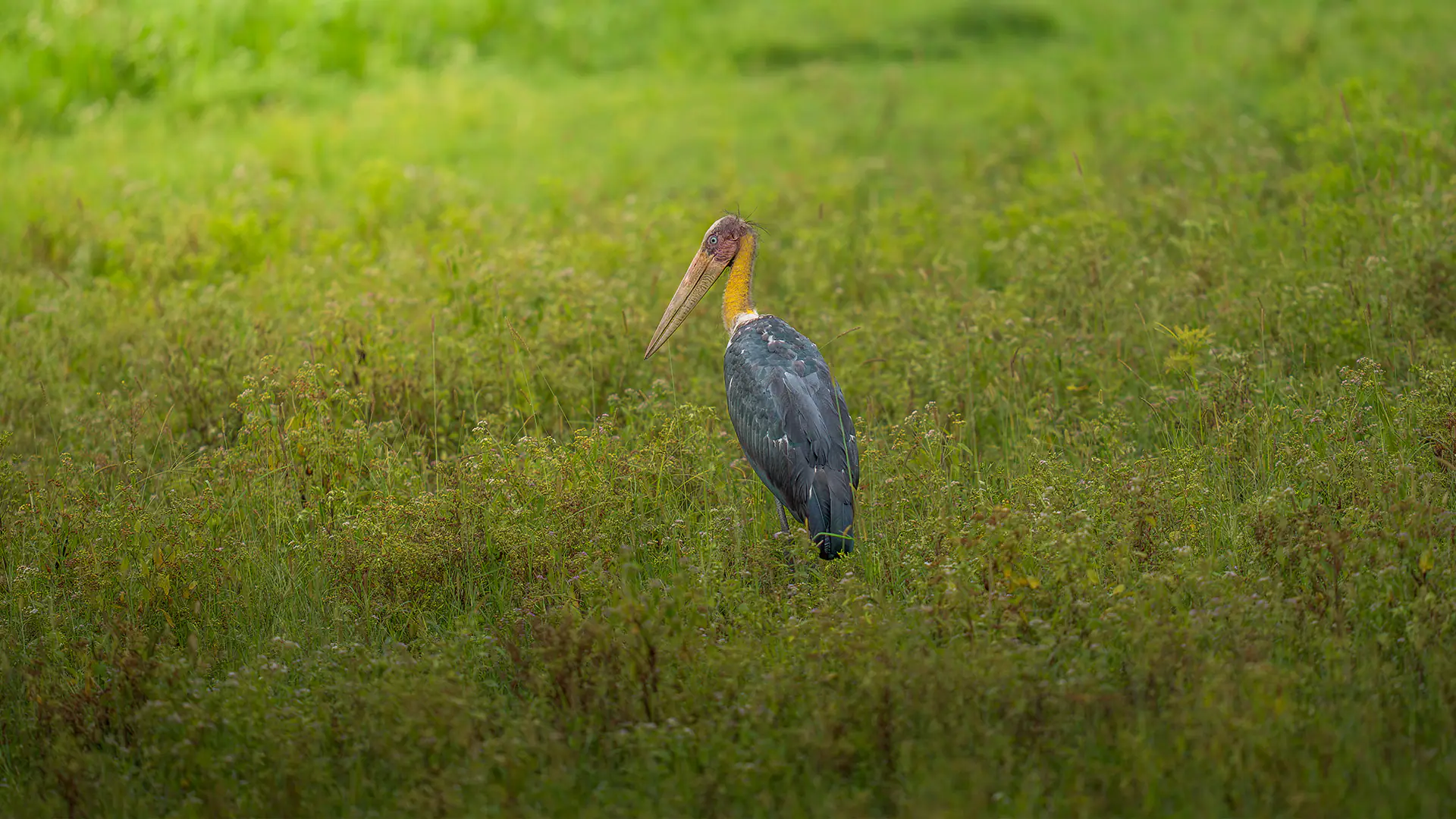
East Birdlife
Hornbills, raptors, waterbirds & forest specialists make the region especially rewarding for birdwatchers & photographers.

Eastern Swamp Deer
The Eastern Swamp Deer is a rare subspecies of the barasingha native to the alluvial grasslands and wetlands of northeastern India.

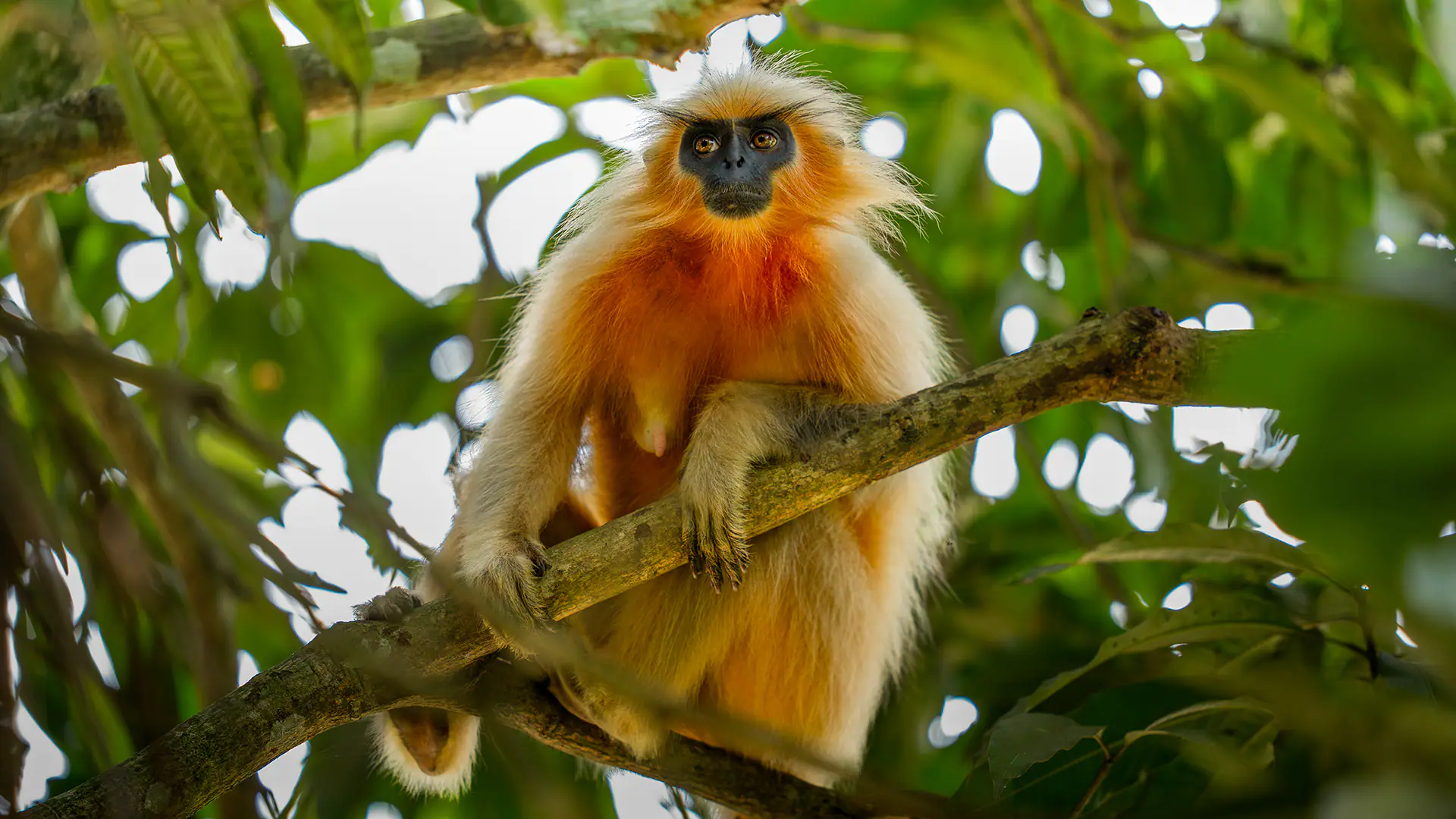
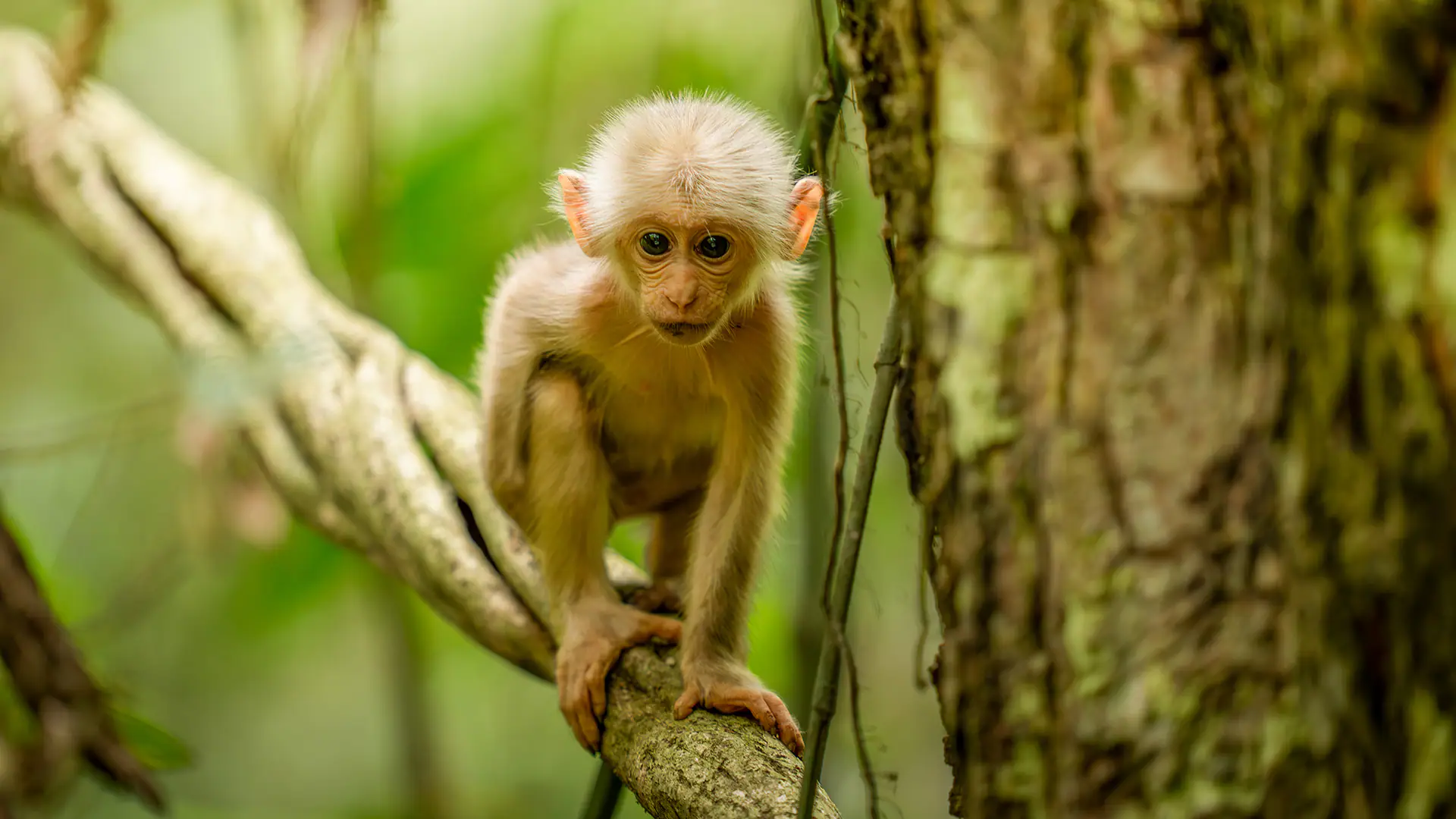
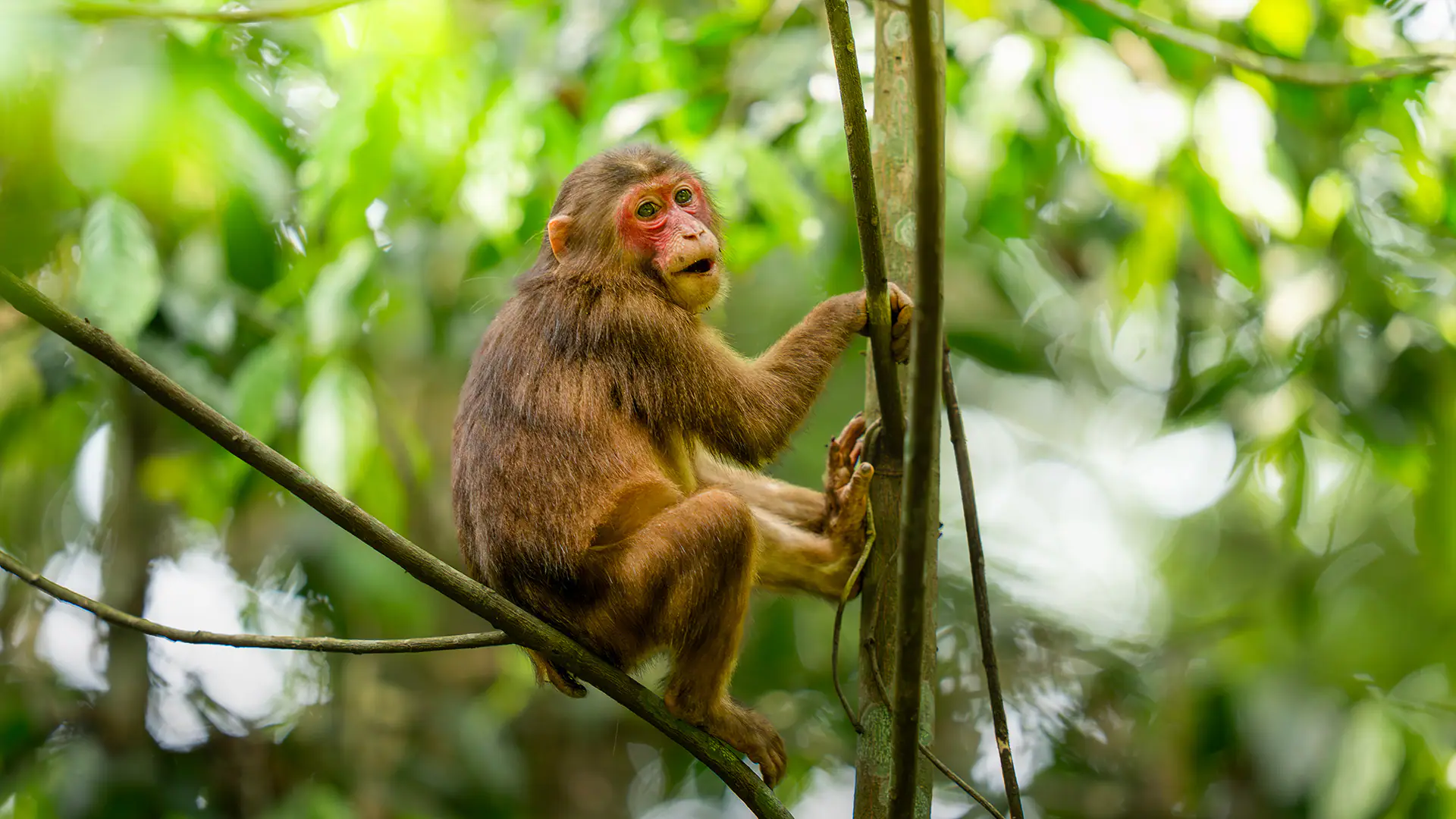
Primates
Rare & distinctive primates add a strong observation-focused dimension to journeys in Assam & nearby landscapes.
When to Go
Plan Around the Season
The best time for an East India wildlife safari depends on the destination, park operating calendar and the wildlife experience you want. Assam’s major wildlife destinations are generally best explored during the drier tourism months, while Odisha’s reserves have their own seasonal access and closure rules. Always confirm final dates and permit conditions with the relevant reserve before travel.
- Open For Safari
- Closed For Safari
January
19°C
16 mm
Cool, dry mornings and pleasant afternoons make January one of the most comfortable months for East India wildlife safaris, with clear conditions for rhino sightings, birdwatching and longer safari drives.
February
22°C
24 mm
February remains comfortable and mostly dry, with mild mornings and warmer afternoons. Clearer vegetation and active birdlife make it a rewarding month for wildlife photography and safari exploration.
March
26°C
43 mm
March brings warmer temperatures and gradually drier conditions. Wildlife viewing becomes increasingly focused around grasslands, wetlands and available water, while the forests begin taking on a more open character.
April
29°C
93 mm
April is warmer across East India, with increasing heat and more concentrated wildlife activity around water. Early morning safaris can offer rewarding encounters with rhinos, elephants, tigers and diverse birdlife.
May
30°C
155 mm
May is hot and increasingly humid, with rainfall beginning to build across the region. Where parks remain open, early safaris can offer interesting wildlife activity, while seasonal access varies by destination.
June
29°C
220 mm
June marks the stronger arrival of the monsoon across Assam and Odisha, bringing heavy showers, rising water levels and rapidly changing safari conditions. Several wildlife destinations begin seasonal restrictions or closures.
July
28°C
360 mm
July brings peak monsoon conditions, with heavy rainfall, swollen rivers and intensely green landscapes. Regular wildlife tourism is restricted or closed across several East Indian destinations during this period.
August
28°C
260 mm
August remains wet and humid, with dense vegetation, flowing waterways and dramatic monsoon scenery. Safari access remains limited at several destinations, making this primarily a landscape and ecological transformation season.
September
28°C
233 mm
September continues to be relatively wet, although rainfall gradually begins easing towards the end of the month. Forests remain lush, wetlands are full and many destinations continue following seasonal access restrictions.
October
27°C
120 mm
October marks the transition towards drier weather, with greener landscapes slowly opening up. Conditions become increasingly favourable for wildlife travel, although opening dates differ between reserves and states.
November
23°C
27 mm
November brings cooler mornings, drier trails and improving visibility. It marks the beginning of the principal wildlife season in destinations such as Kaziranga and Manas, making it an excellent time for safari and birding.
December
20°C
12 mm
December is cool, dry and comfortable, with excellent conditions for wildlife safaris, photography and birdwatching. Open landscapes and clearer visibility make it particularly rewarding for exploring East India’s diverse habitats.
What to See
Many Landscapes, One Region
A Central India journey can extend beyond the forest, connecting wildlife safaris with heritage, architecture, spirituality, geology and natural landscapes. From UNESCO World Heritage Sites and ancient temples to marble gorges, waterfalls and historic forts, these experiences add another dimension to exploring Central India.

Khajuraho
Explore the UNESCO-listed Khajuraho Group of Monuments, celebrated for its Chandela-era temples & exceptional Nagara-style architecture.

Bhimbetka Rock Shelters
Step into India at the UNESCO-listed Bhimbetka rock shelters, known for ancient rock art spanning from the Mesolithic period into later historical periods.

Bhedaghat Marble Rocks
Cruise along the Narmada River between the towering white marble cliffs of Bhedaghat, one of Madhya Pradesh’s most distinctive natural landscapes.

Dhuandhar Falls
Witness the Narmada plunge dramatically through the rocky gorge at Dhuandhar Falls, creating the famous mist-filled spectacle near Bhedaghat.

Pandav Falls
Discover the scenic Pandav Falls in Panna National Park, where a waterfall drops into a tranquil pool surrounded by forest and rocky formations.

Panna Diamond Mines
Explore Panna’s remarkable diamond landscape, home to the Majhgawan diamond mine and a region internationally known for its diamond-bearing geology.

Ujjain
Experience the spiritual heritage of Ujjain, an ancient city on the Shipra River and home to the revered Mahakaleshwar Jyotirlinga.

Gwalior Fort
Explore the historic Gwalior Fort, a hilltop architectural landmark featuring palaces, temples, gateways and centuries of Central Indian history.

Ranthambore Fort
Explore the historic Ranthambore Fort rising above the Ranthambore landscape, known for its massive walls, gateways, temples and medieval Rajput heritage.

Hawa Mahal
Discover Jaipur’s iconic Hawa Mahal, the five-storey Palace of Winds known for its distinctive façade, jharokhas and remarkable architectural character.

Amer Fort
Explore Amer Fort near Jaipur, an impressive hilltop palace complex celebrated for its courtyards, temples, gardens, Sheesh Mahal and Rajput architecture.
Gallery
The Wild, In Every Frame
Central India is a landscape of changing light, dry forests, open meadows, waterholes, rocky terrain and intimate wildlife encounters. Let the gallery show the character of each destination – not only the animals, but the habitats and moments between sightings.
Experience
Experience East India Differently
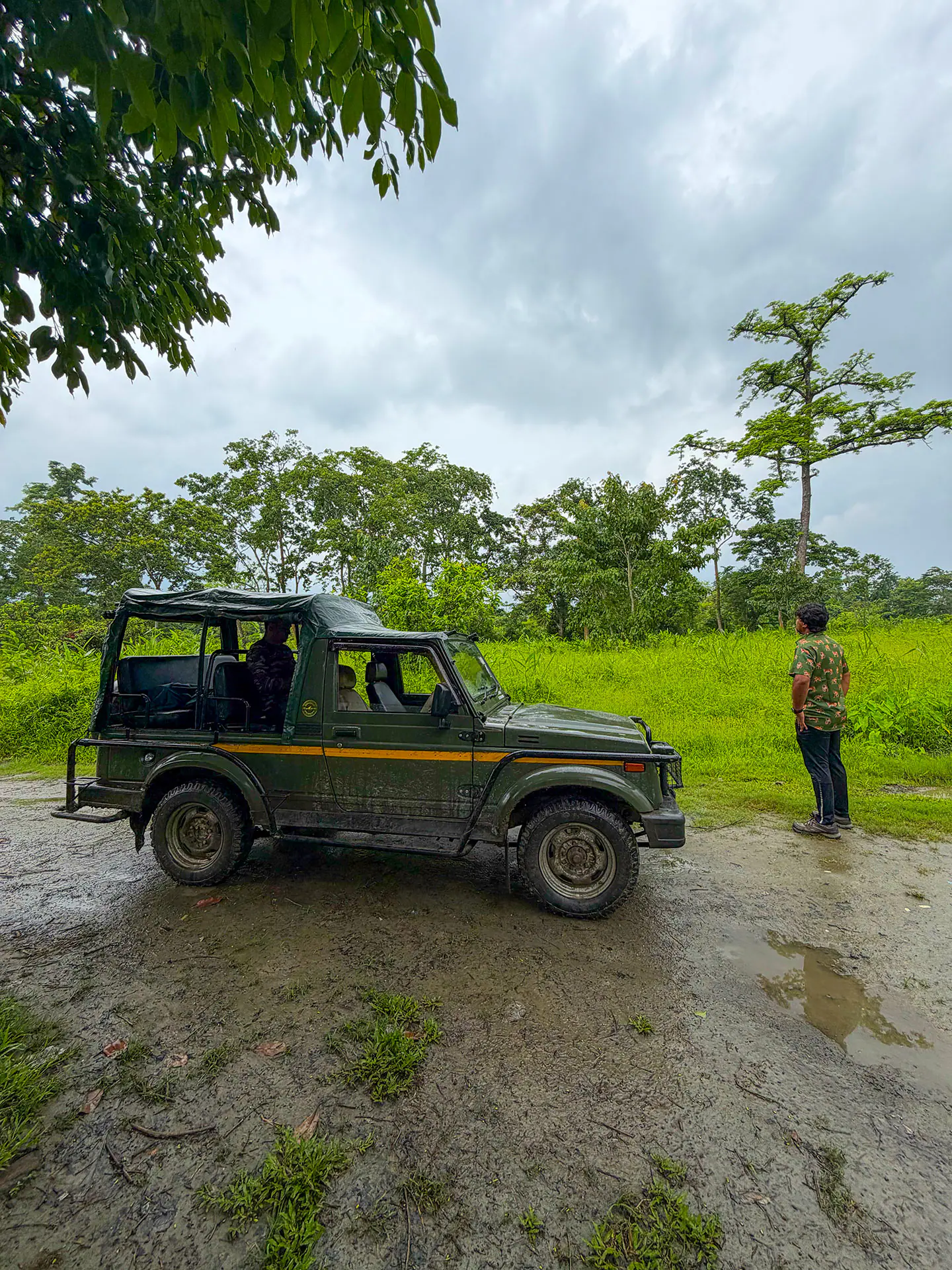
A wildlife journey here can move at different speeds. Some days begin with an early jeep safari; others are better suited to slow observation, birding, a guided forest walk or a river-based experience where permitted. The right mix depends on the destination, local regulations and the kind of journey you want to create.
FAQ's
Planning Your Wildlife Experience
Which places are best for a wildlife safari in East India?
The right destination depends on your wildlife interests. Kaziranga is strongly associated with the greater one-horned rhinoceros, while Manas offers varied foothill habitats and rare wildlife. Hollongapar is distinctive for hoolock gibbons and other primates, while Similipal and Satkosia bring different forest and river landscapes in Odisha.
What is the best time for an East India wildlife safari?
For many Assam destinations, the cooler and drier months are popular for wildlife travel, while Odisha destinations have their own opening and closure calendars. Seasonal conditions can vary, so final dates should be checked with the relevant reserve.
Can I combine Kaziranga and Manas in one safari?
Yes. Combining destinations can create a broader Assam wildlife journey with different habitats and wildlife experiences. The exact route should be planned around travel time, safari availability and your priorities.
Can Hollongapar be combined with a Kaziranga safari?
Yes. Hollongapar can add a forest and primate-focused experience to a broader Assam itinerary. Access, guided visits and local rules should be confirmed for the travel period.
What wildlife can I see in East India besides rhinos and tigers?
Depending on the destination, wildlife may include Asian elephants, wild water buffalo, leopards, dholes, deer, gaur, hoolock gibbons, langurs, crocodiles and a wide range of resident and migratory birds.
What activities can I do beyond jeep safaris?
Depending on the destination and official permissions, a journey can include walking experiences, birding, photography, boating or river-based exploration and selected nature or cultural experiences.