Gujrat • Goa • Maharashtra
West India Wildlife Safari
Explore wildlife, wetlands, forests, hills, ancient caves, heritage sites and dramatic landscapes across Gujarat, Maharashtra and Goa. Plan a private or customised journey around the places, seasons and experiences that matter to you.
Plan Your West India Safari
- Home
- Destinations
- India
- West India
Overview
Where Every Landscape Feels Different
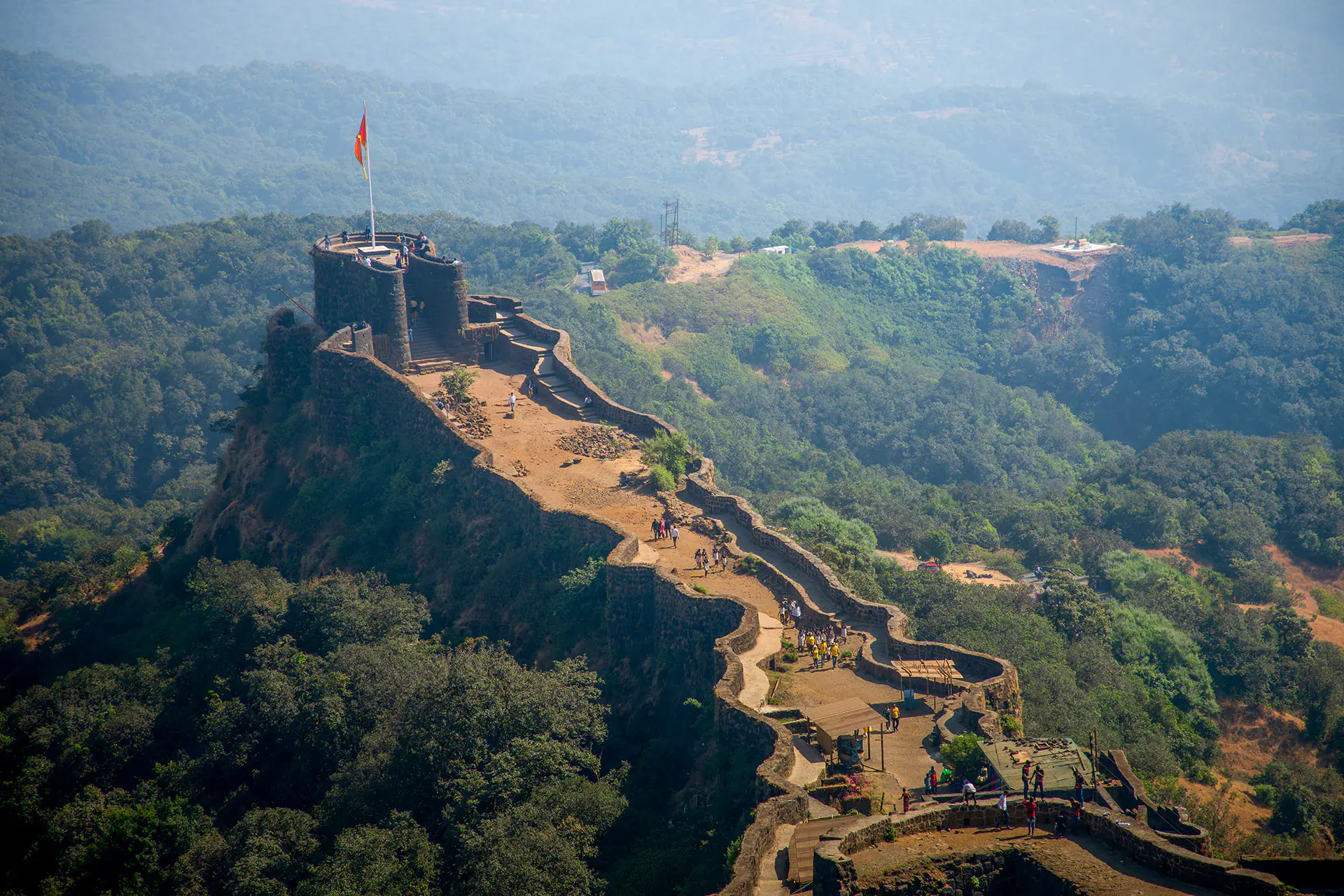
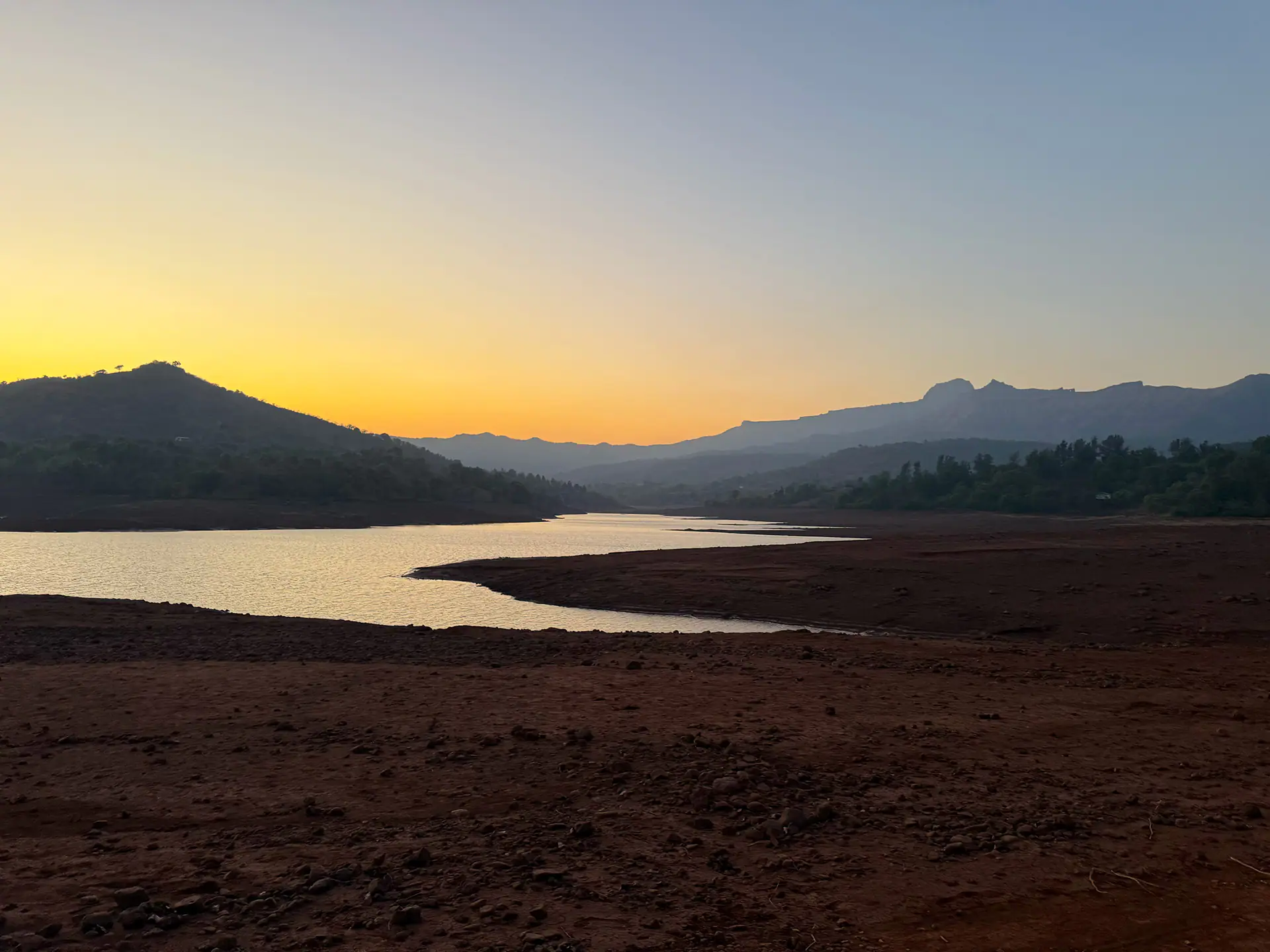
West India is not one landscape. It is a meeting point of arid Kutch, coastal wetlands, forested hills, the Western Ghats, historic cave complexes and Goa’s tropical wilderness. That variety makes the region particularly suited to travellers who want wildlife and nature to sit alongside culture, history and outdoor adventure.
A West India journey can move from Dholavira and the wide spaces of Kutch to bird-rich wetlands around Jamnagar, then towards Maharashtra’s hill country, caves and forested landscapes before reaching the waterfalls and protected forests of Goa. The result is less about ticking off attractions and more about understanding how landscape changes from one place to the next.
Wildlife Beyond The Expected
Wildlife In West India
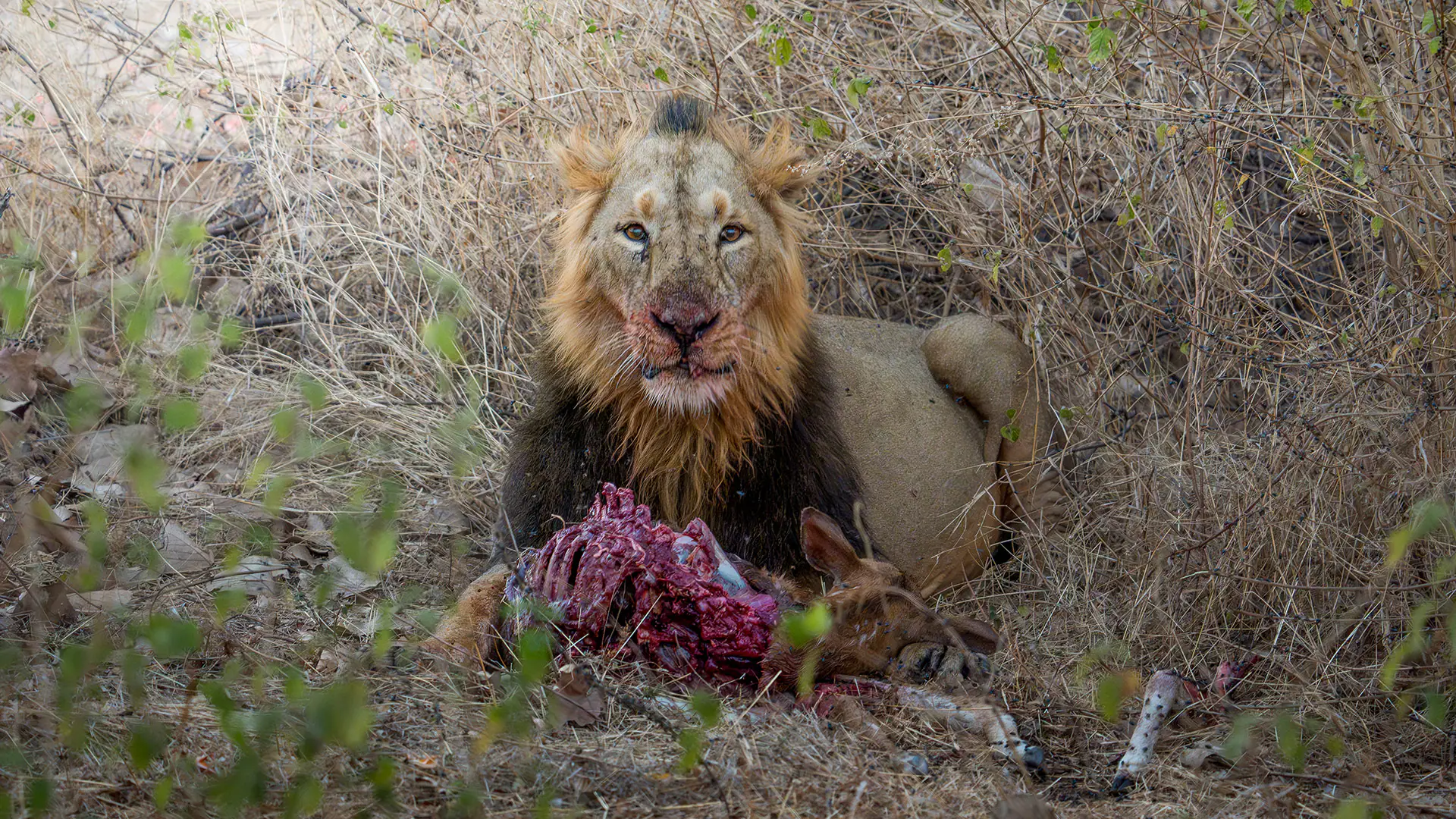
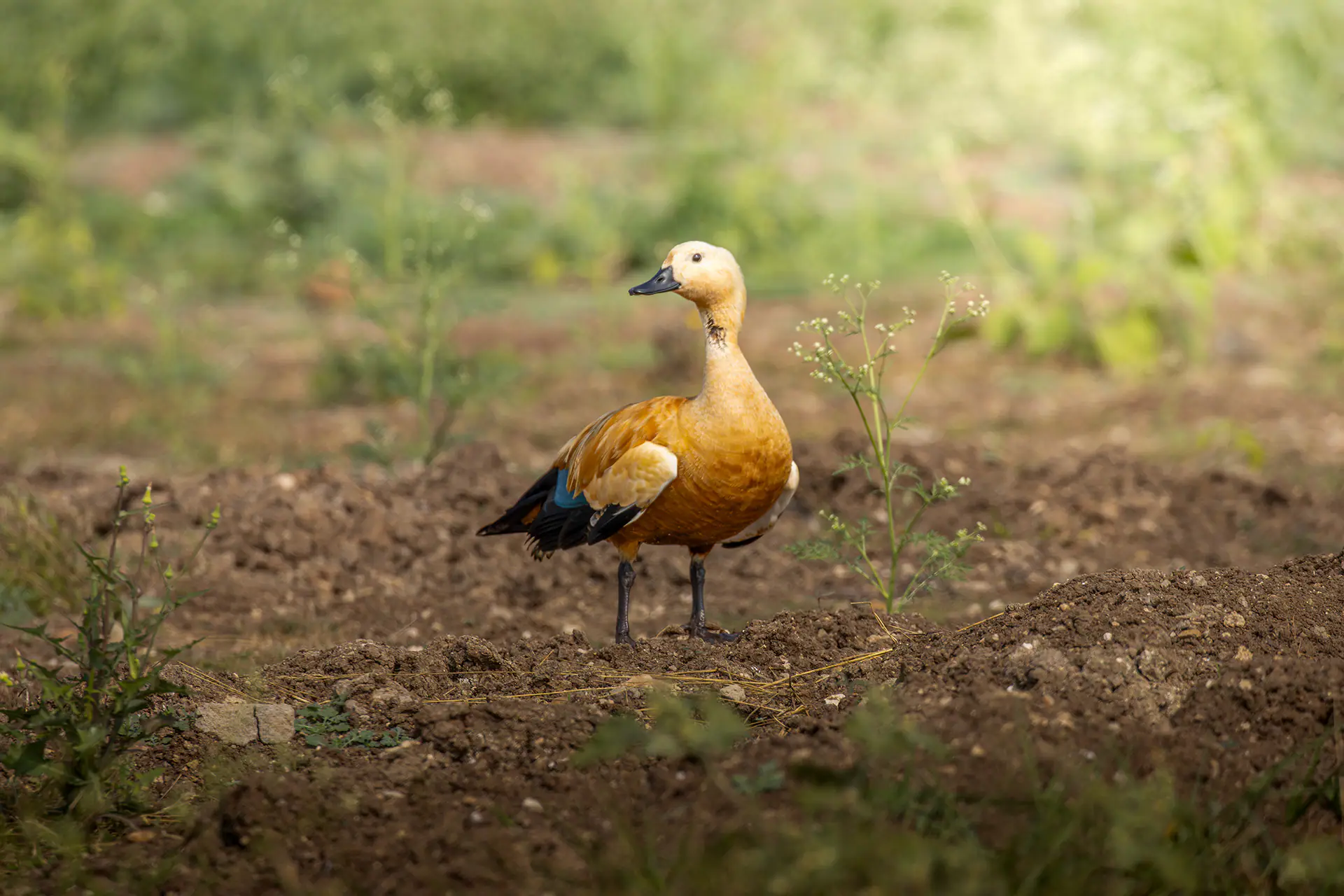
West India offers more than traditional safari landscapes. Gujarat’s dry country, wetlands and coastal ecosystems support Asiatic lions, Indian wild asses, blackbuck and an exceptional range of birds. Maharashtra’s forests and Western Ghats habitats bring leopards, gaur, deer, giant squirrels and rich birdlife, while Goa adds forest, river and wetland ecosystems.

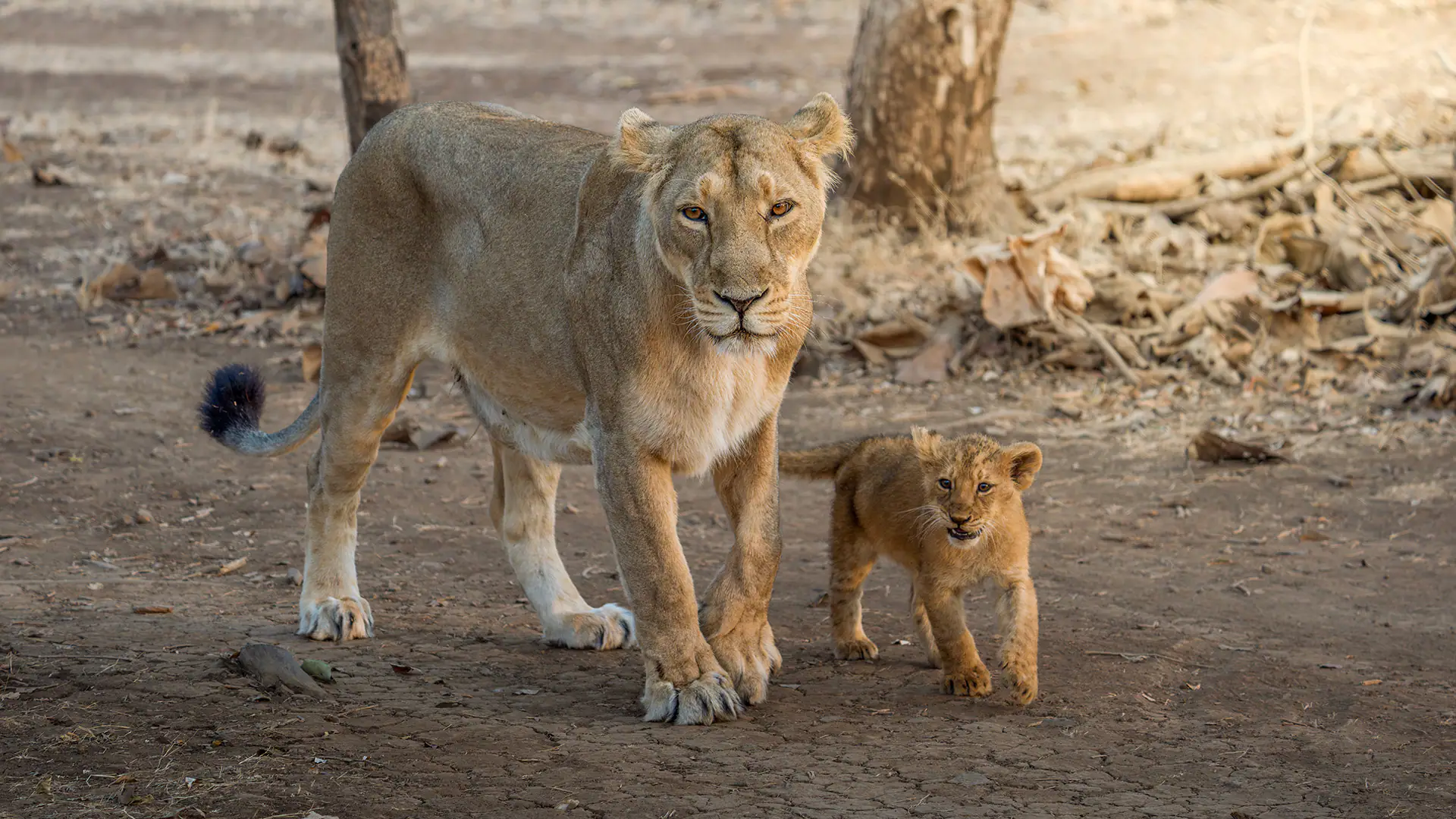
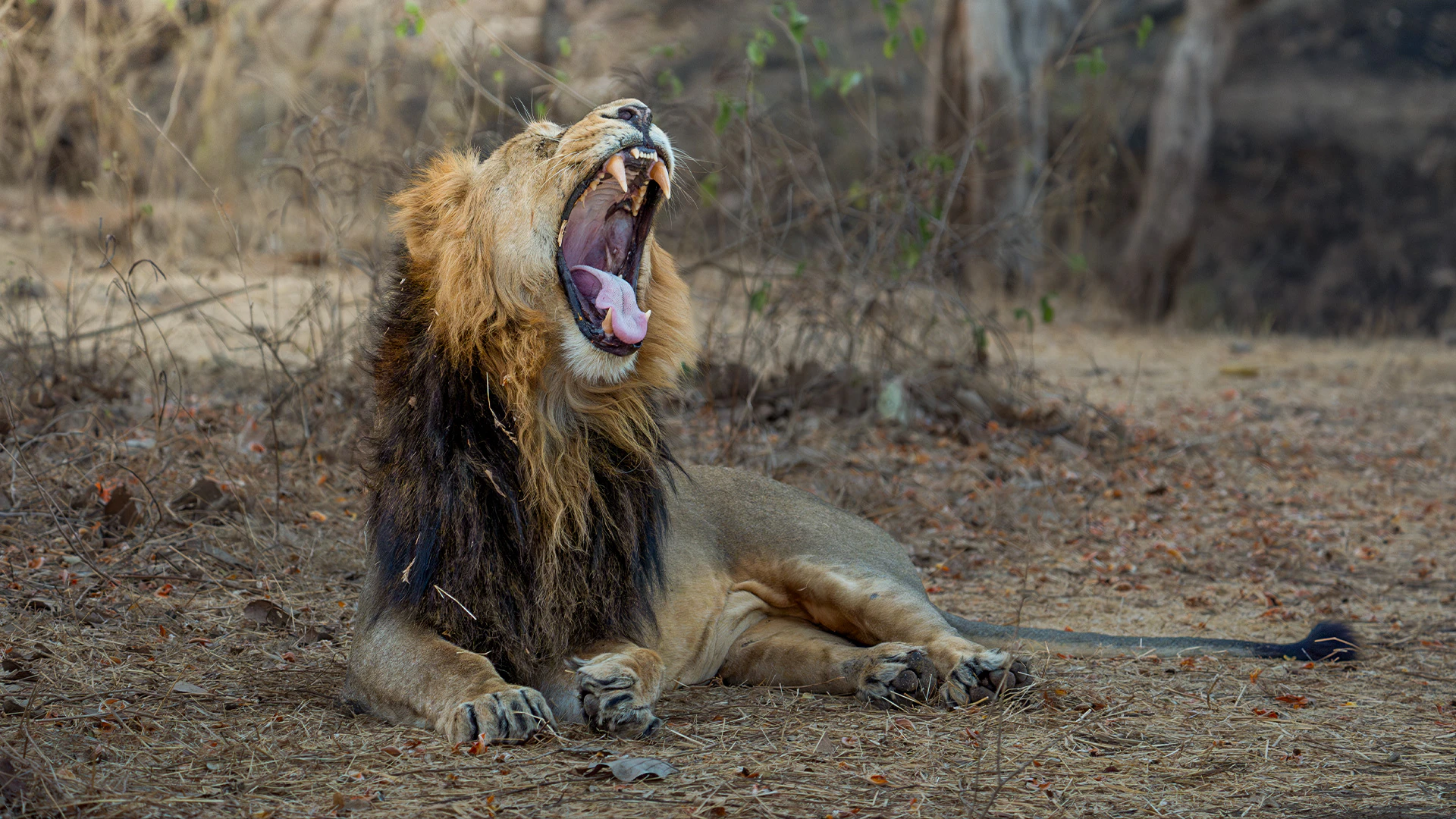
Asiatic Lion
Explore Gujarat’s Gir landscape, the key Indian habitat associated with the Asiatic lion.

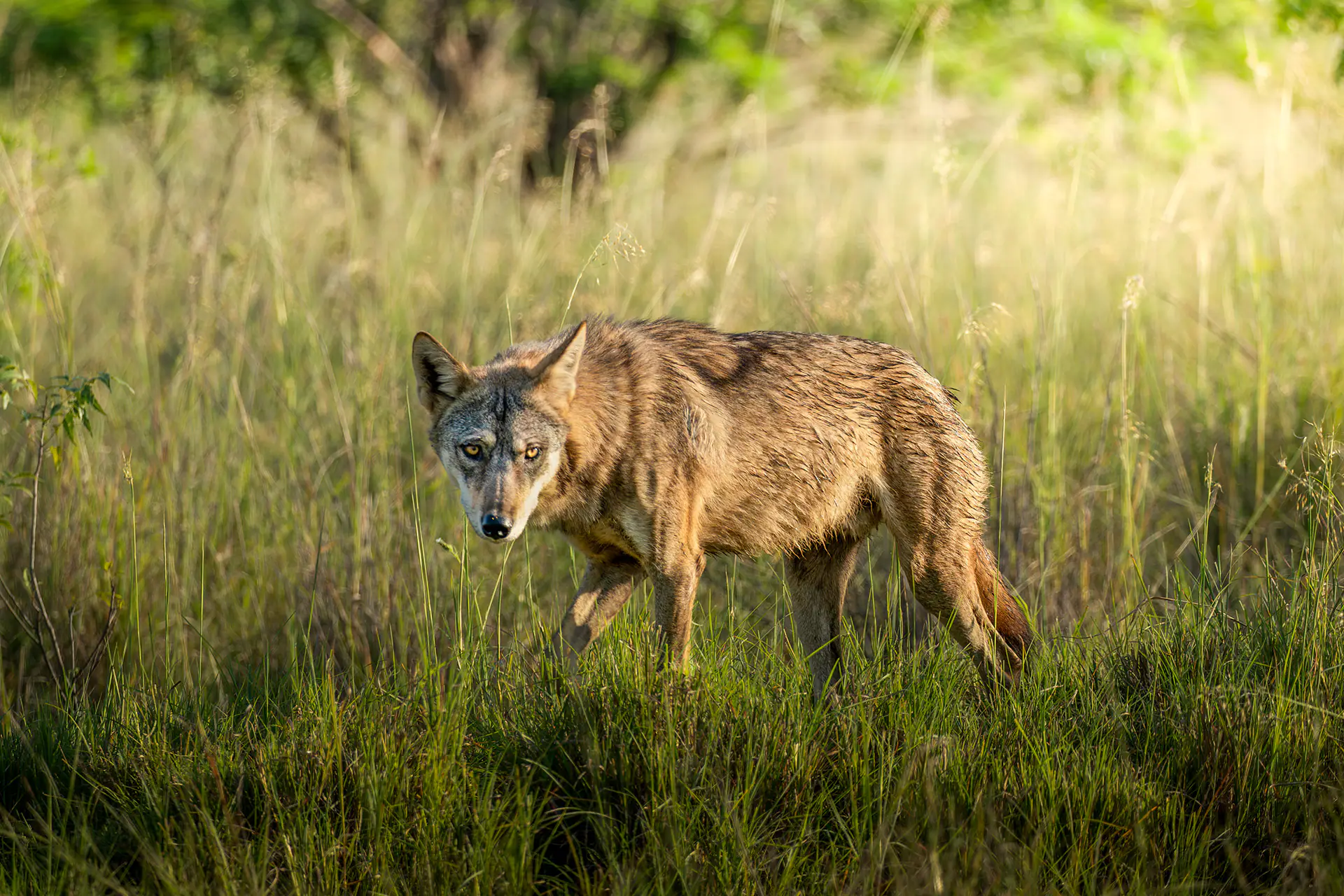
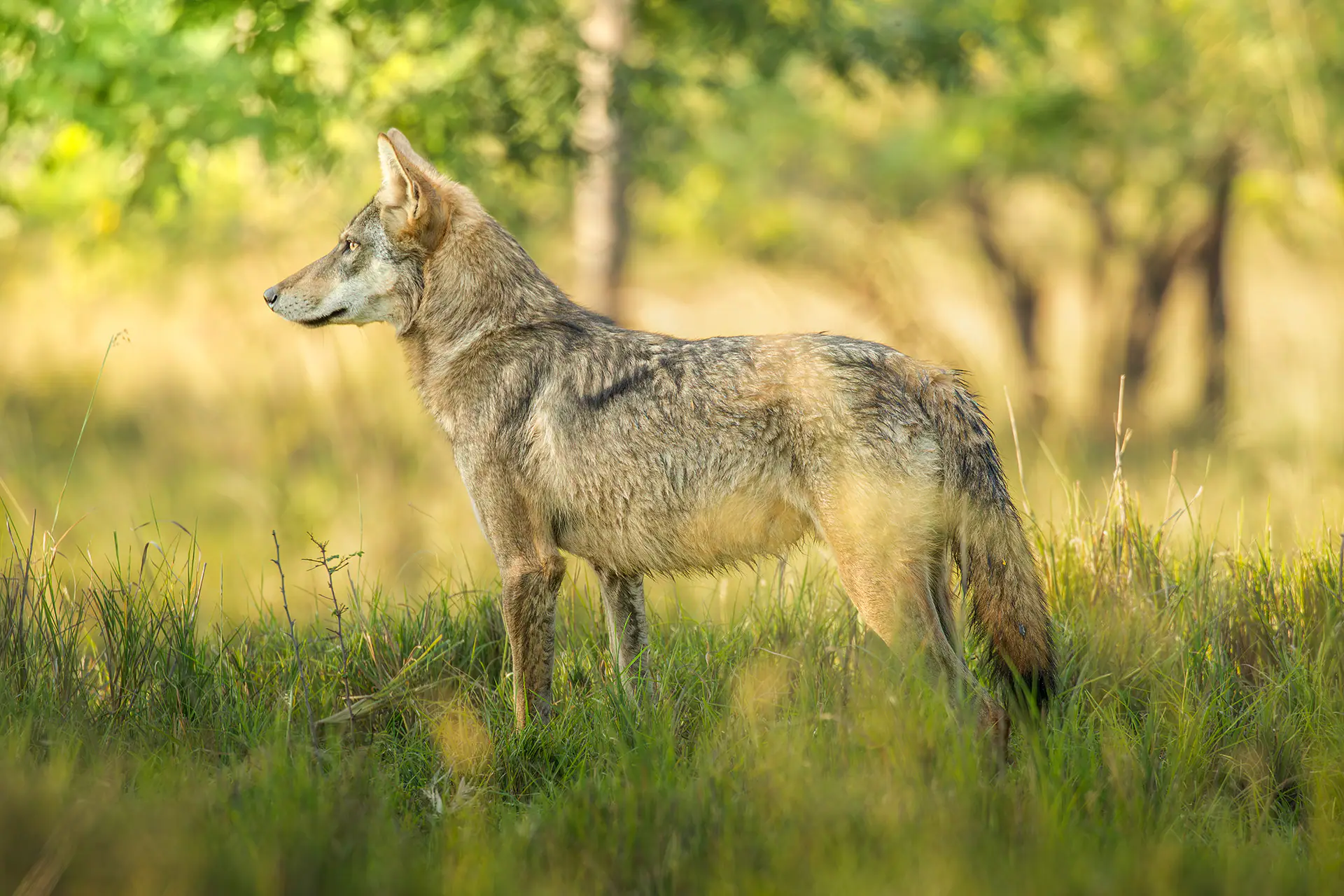
Indian Grey Wolf
It is a rare apex predator inhabiting the dry savanna grasslands & semi-arid scrublands of western india.

Leopard
Look for leopards across forested hills and dry landscapes in parts of Maharashtra and Gujarat.

Blackbuck
Explore open grassland habitats where blackbuck offer striking wildlife encounters across Gujarat.

Malabar Giant Squirrel
Visit Western Ghats forests such as Bhimashankar for the distinctive Malabar giant squirrel.

Gaur & Deer
Forest landscapes across Maharashtra and Goa support gaur, sambar, chital and other herbivores.

Flamingos & Waterbirds
Wetlands around Gujarat support flamingos, pelicans, cranes, shorebirds and other seasonal visitors.

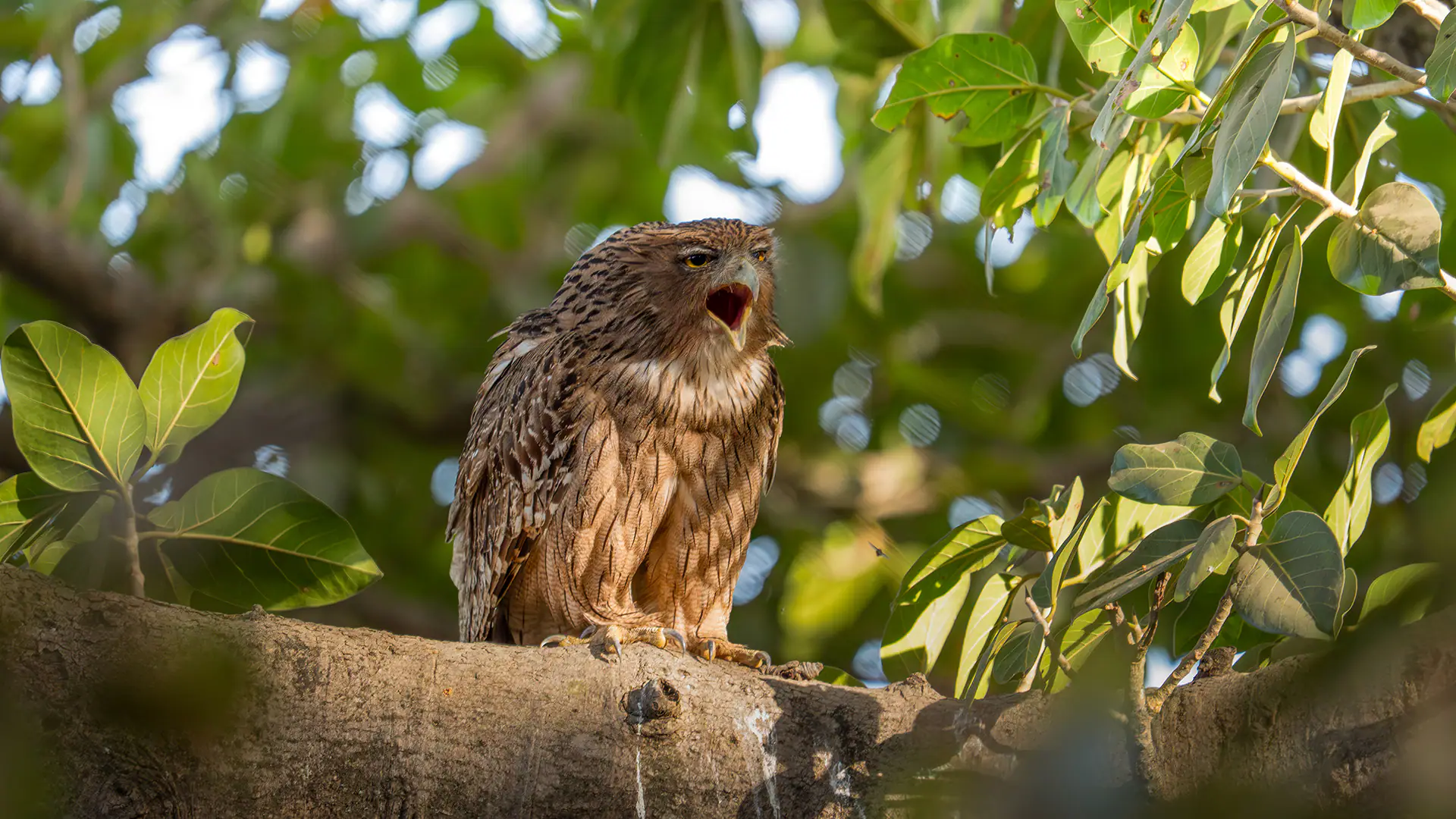
Forest & Coastal Birds
Western Ghats forests & Goa’s protected areas reward patient birdwatchers & wildlife photographers.
When to Go
Plan Around the Season
West India stretches across very different climates, so the best time depends on where you are travelling and what you want to experience. Cooler months are especially comfortable for Kutch, wildlife viewing, heritage sites and outdoor exploration, while the monsoon transforms the Sahyadris and Goa into lush, waterfall-filled landscapes.
- Open For Safari
- Partially Open
January
19–29°C
1–5 mm
Cool, dry conditions make January comfortable for Gujarat heritage circuits, birding around wetlands and outdoor exploration across Maharashtra and Goa.
February
21–31°C
0–5 mm
February stays dry and pleasant across much of West India, with comfortable mornings for birdwatching, heritage walks and wildlife-focused travel.
March
24–34°C
2–8 mm
March brings warmer afternoons and increasingly dry conditions, making early-day exploration ideal across Kutch, forests, hill stations and wildlife landscapes.
April
27–37°C
2–12 mm
April is increasingly hot, particularly in Gujarat. Plan outdoor activities early or late while focusing on shaded forests and shorter heritage visits.
May
28–36°C
8–30 mm
May is hot across the region, although hill stations offer some relief. Wildlife and nature activities are best planned around cooler hours.
June
26–32°C
120–300 mm
The southwest monsoon begins transforming the Western Ghats and Goa, bringing heavy showers, greener forests and changing access conditions across the region.
July
25–29°C
220–500 mm
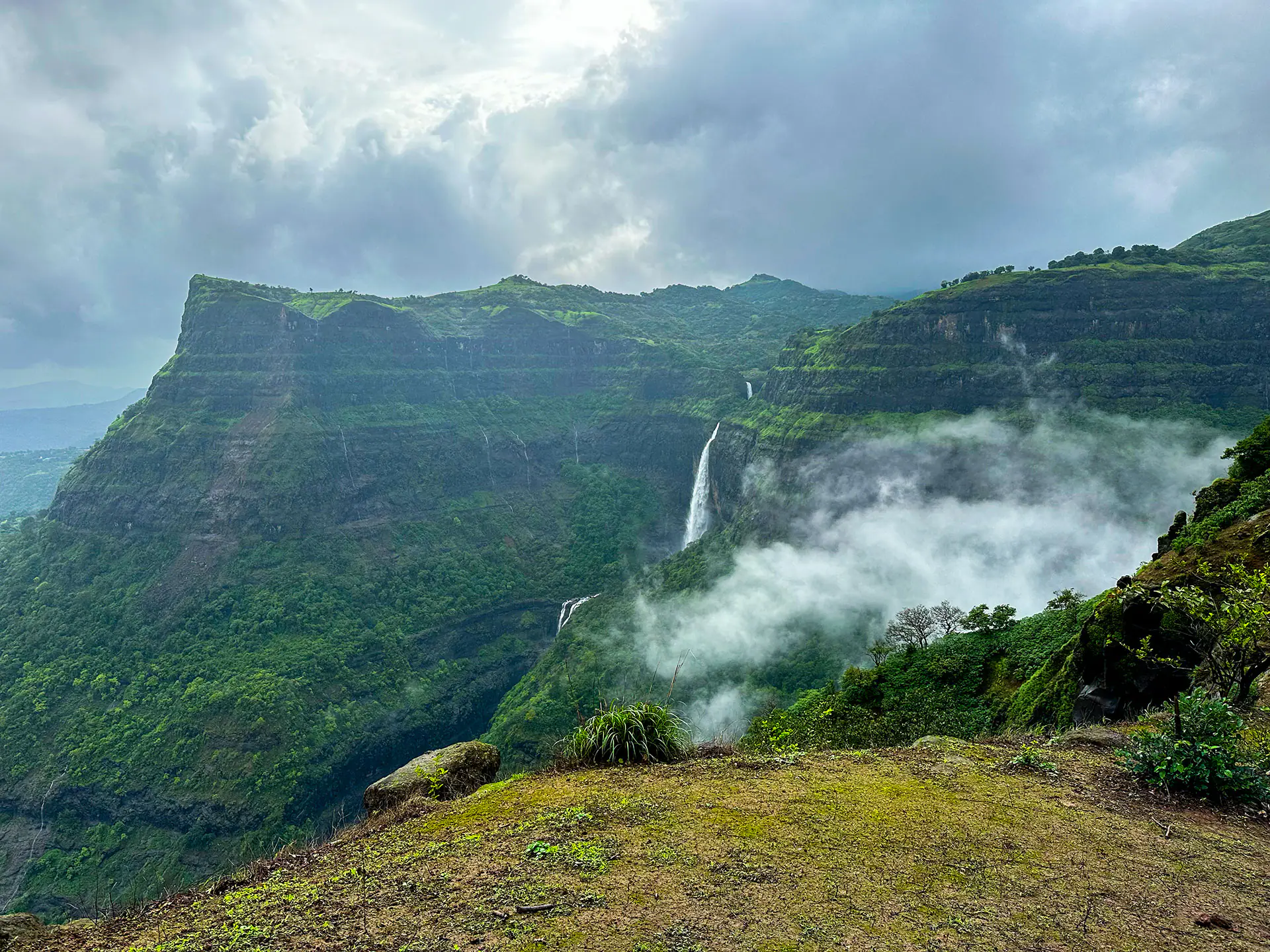
July brings peak monsoon greenery to Maharashtra and Goa, with dramatic waterfalls and misty landscapes while some outdoor routes require weather-dependent planning.
August
25–29°C
180–450 mm
August remains wet and lush, making the Sahyadris and Goa particularly scenic for monsoon landscapes, waterfalls and nature photography.
September
25–30°C
120–300 mm
September gradually shifts towards post-monsoon conditions. Hills remain green, waterfalls can still flow strongly and outdoor access generally begins improving.
October
24–32°C
50–150 mm
October brings a transition towards drier weather, making it increasingly comfortable for Kutch, heritage sites, caves and broader West India circuits.
November
21–30°C
5–40 mm
November offers cooler, clearer conditions and is especially suitable for Kutch landscapes, heritage travel, birding and longer outdoor days.
December
18–28°C
1–15 mm
December is cool and dry across much of West India, making it a strong month for wildlife, birding, heritage exploration and multi-destination journeys.
What to See
Many Places, One West
West India is best explored as a collection of contrasting landscapes. Combine wildlife and wetlands in Gujarat, hill country and heritage in Maharashtra, and forested waterfalls and temples in Goa to create a journey with more than one rhythm.

Dholavira
Explore Dholavira, a UNESCO World Heritage Site revealing Harappan heritage amid the dramatic Kutch landscape.

Nakhatrana
Discover Nakhatrana and its Kutch surroundings, known for pastoral culture, crafts, heritage and semi-arid landscapes.

Bhuj
Explore Bhuj for palaces, museums, crafts and cultural heritage that define the character of Kutch.

Dang
Discover Dang’s forested hills, waterfalls, tribal heritage and nature experiences across southern Gujarat’s lush landscapes.

Jamnagar
Explore Jamnagar’s wetlands and coastline, with Khijadia’s migratory birds, mangroves and distinctive ecosystems.
Bhimashankar
Explore Bhimashankar Wildlife Sanctuary, dense Western Ghats forests, Malabar giant squirrels and scenic trekking trails.

Matheran
Discover Matheran’s vehicle-free hills, evergreen forests, viewpoints, trekking trails and diverse Western Ghats wildlife.

Mahabaleshwar
Explore Mahabaleshwar’s forests, waterfalls, viewpoints and Western Ghats biodiversity alongside leisurely hill-station experiences.

Panchgani
Discover Panchgani’s five hills, valley viewpoints, colonial character, strawberry farms and refreshing Sahyadri landscapes.

Bhandardara
Explore Bhandardara’s reservoir, waterfalls, forested hills and trekking routes including the Mount Kalsubai landscape.

Karla Caves
Explore Karla Caves, ancient Buddhist rock-cut architecture and the Great Chaitya above the Indrayani valley.

Bhaja Caves
Discover Bhaja Caves, early Buddhist rock-cut architecture surrounded by Sahyadri hills, valleys and waterfalls.

Ajanta Caves
Explore Ajanta Caves, UNESCO-listed Buddhist monuments renowned for ancient murals, sculptures and remarkable rock-cut architecture.

Ellora Caves
Discover Ellora Caves, a UNESCO World Heritage Site blending Hindu, Buddhist and Jain rock-cut architecture.

Dudhsagar Falls
Experience Dudhsagar Falls, Goa’s spectacular four-tiered waterfall surrounded by forests within Bhagwan Mahavir Wildlife Sanctuary.

Tambdi Surla Mahadev Temple
Visit Tambdi Surla Mahadev Temple, a 12th-century basalt shrine set within Goa’s forested wilderness.
Gallery
The West, In Every Frame
West India’s visual language changes with every road: salt and stone in Kutch, birds over wetlands, monsoon mist across the Sahyadris, ancient carvings in rock-cut caves and waterfalls hidden inside Goa’s forests.
Experience
Experience East India Differently
A wildlife journey here can move at different speeds. Some days begin with an early jeep safari; others are better suited to slow observation, birding, a guided forest walk or a river-based experience where permitted. The right mix depends on the destination, local regulations and the kind of journey you want to create.
FAQ's
Planning Your Wildlife Experience
Is West India suitable for a wildlife safari?
Yes, depending on the destination. The region includes wildlife sanctuaries, wetlands, forest landscapes and bird-rich habitats, although many West Zone experiences are broader nature journeys rather than traditional tiger-reserve safaris.
What wildlife can I see in West India?
Depending on the destination, wildlife can include Asiatic lions, Indian wild asses, leopards, blackbuck, gaur, deer, Malabar giant squirrels, flamingos, pelicans and many other birds.
What is the best time to visit West India?
For many destinations, October to February offers comfortable conditions for outdoor travel, wildlife observation, heritage and Kutch exploration. June to September is especially appealing for green Western Ghats landscapes and waterfalls, subject to weather and local access.
Can I combine wildlife, heritage and adventure in one West India journey?
Yes. The West Zone is particularly suited to mixed journeys that combine wildlife and birding with hill stations, trekking, caves, waterfalls, heritage and local culture.
Can The Territory create a private West India itinerary?
Yes. A private or customised journey can be built around your fixed dates, group size, interests, preferred accommodation, pace and the destinations you want to include.
Are the caves and waterfalls suitable throughout the year?
Access and conditions vary. Cooler months are generally comfortable for cave and heritage exploration, while waterfalls and Western Ghats scenery are most dramatic during and after the monsoon. Weather and local safety conditions should always be checked.