East Africa
Wildlife Safari In Tanzania
Explore Tanzania through private safari journeys across Serengeti, Ngorongoro and Tarangire, plus Laetoli, Olduvai Gorge and Arusha’s natural history.
Plan Your Tanzania Safari
- Home
- Destinations
- Africa
- Tanzania
Overview
Tanzania Safari in East Africa
Tanzania is one of East Africa’s defining safari destinations, combining the immense Serengeti plains, Ngorongoro Conservation Area, Tarangire’s elephant-rich landscapes and Mount Kilimanjaro with a deep cultural and archaeological heritage. A Tanzania safari can move beyond classic wildlife viewing into migration landscapes, photographic safaris, human-evolution sites, museums and carefully paced private journeys. The northern safari circuit is especially known for the Serengeti Migration, abundant big cats, large elephant herds and the concentrated wildlife of Ngorongoro Crater. Beyond the wilderness, Laetoli and Olduvai Gorge connect the journey to some of the world’s most important evidence of human evolution, while Arusha provides an accessible starting point for exploring Tanzania’s natural and cultural history.
Wildlife
Wildlife of Tanzania
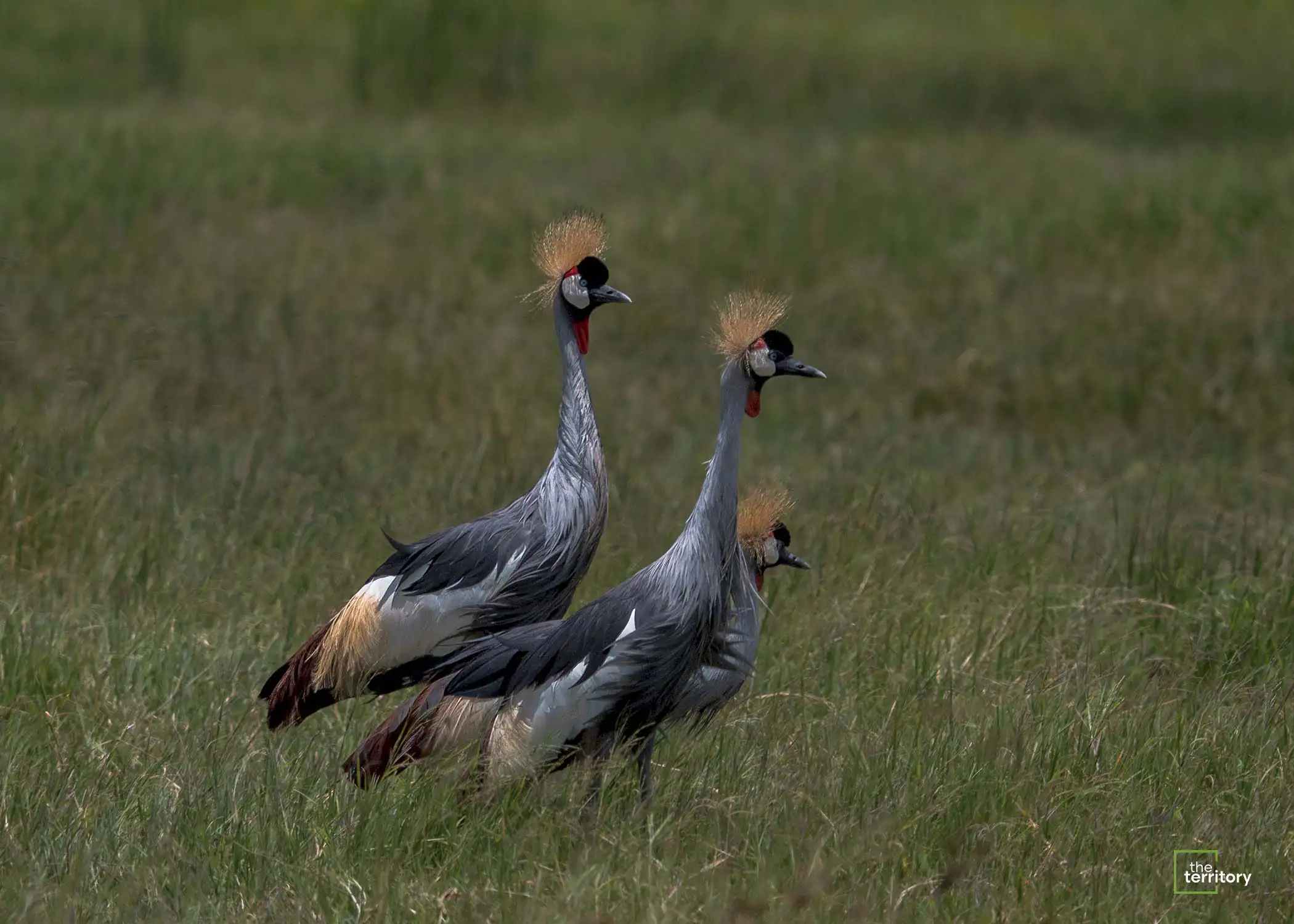
From the Serengeti’s predators and migratory herds to Tarangire’s elephants and Ngorongoro’s black rhinos, Tanzania offers remarkable diversity for safari and wildlife photography.

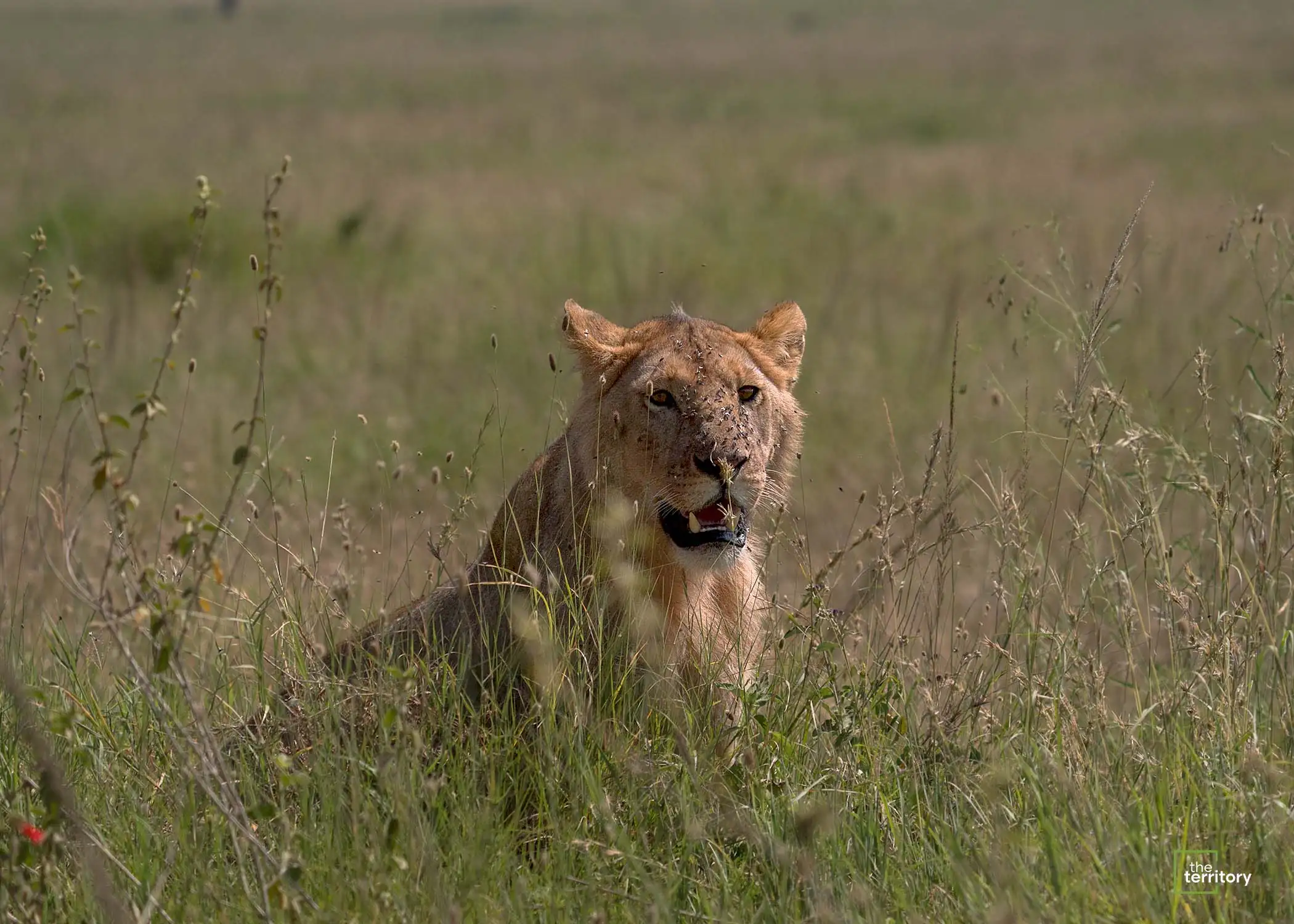
African Lion
Iconic Serengeti predators often seen across open plains and riverine habitats.

African Elephant
Large elephant herds are especially notable in Tarangire’s baobab-rich landscapes.

Leopard
Elusive leopards thrive in Tanzania’s woodland and savannah habitats, favoring solitude.

African Buffalo
Powerful buffalo herds inhabit grasslands, woodlands and wetlands across Tanzania’s safari parks.

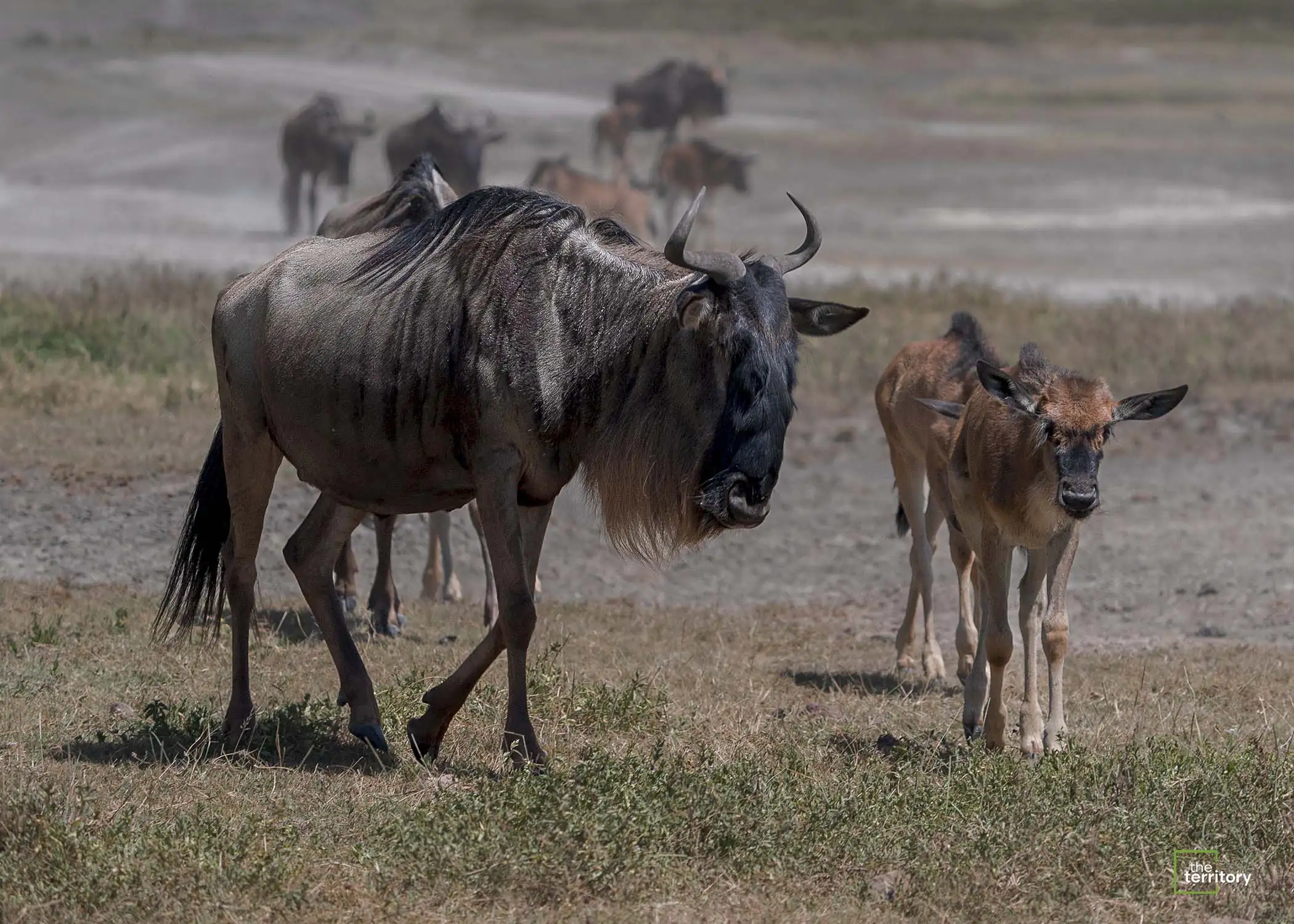
Wildebeest
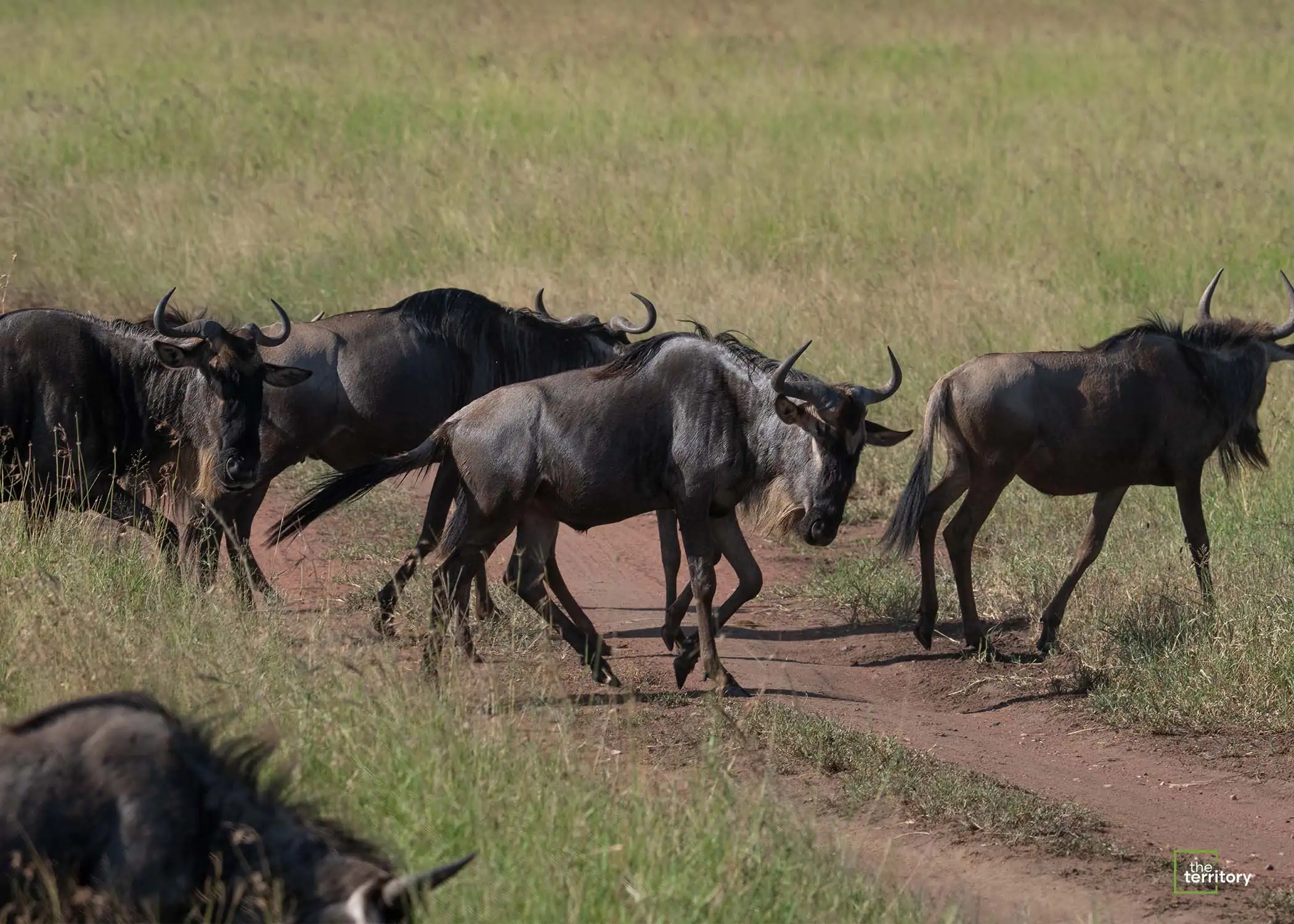
Millions of wildebeest form the moving heart of the Serengeti Migration.
Giraffe
Giraffes browse acacia woodlands, adding distinctive height to Tanzania’s savannah scenery.

Plains Zebra
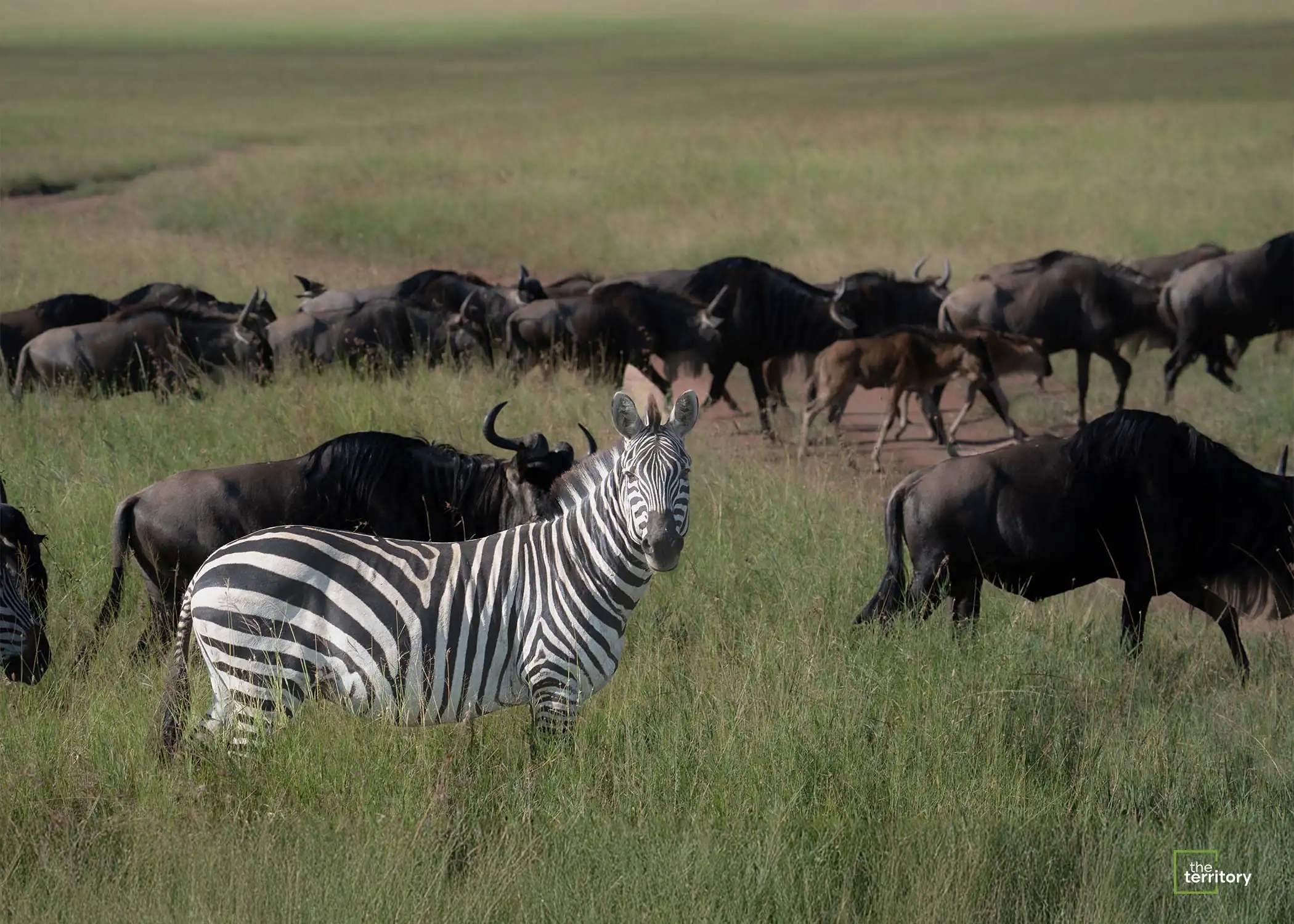
Plains zebras travel alongside wildebeest across Tanzania’s vast seasonal grazing landscapes.

Black Rhinoceros
Black rhinos survive in protected Tanzania landscapes, including the Ngorongoro Conservation Area.
When to Go
When to Visit Tanzania
Tanzania’s northern safari circuit experiences a broadly seasonal pattern, with long rains from March to May, a drier period from June to October, short rains in November and December, and a relatively dry January-February period. Because parks vary by altitude and geography, these month-by-month figures are best used as a planning guide rather than a nationwide forecast.
- Best Time
- Suboptimal
January
27°C
50 mm
Warm, relatively dry conditions support Tanzania safari planning, while the southern Serengeti can become especially rewarding as wildebeest gather on nutrient-rich plains for the calving season and predator action nearby.
February
27°C
55 mm
Warm days and limited rainfall create comfortable northern Tanzania safari conditions, with the Serengeti’s southern plains supporting spectacular wildebeest calving and frequent predator activity around vulnerable young animals throughout daylight.
March
26°C
130 mm
Rainfall increases as the long rains approach, transforming Tanzania’s savannah into lush green landscapes and bringing abundant resident wildlife, newborns, birds and dramatic skies across northern safari parks during drives.
April
24°C
200 mm
April brings the heaviest rainfall across northern Tanzania, creating vibrant scenery, quieter safari conditions and excellent opportunities for landscape photography, birdwatching and observing wildlife amid fresh vegetation across the plains.
May
23°C
120 mm
Rainfall gradually eases during May, leaving green landscapes, fewer visitors and productive wildlife areas across northern Tanzania, while cooler mornings create comfortable safari and photographic conditions throughout the northern circuit.
June
22°C
30 mm
Dry-season conditions begin, with cooler mornings, clearer skies and reduced rainfall making Tanzania safari travel comfortable while wildlife increasingly concentrates near reliable water sources across national parks during game drives.
July
21°C
20 mm
Cool, dry weather and minimal rainfall create excellent safari conditions, with clear mornings, open vegetation and strong wildlife viewing opportunities across the Serengeti, Ngorongoro and Tarangire National Parks in season.
August
22°C
15 mm
August remains dry and comfortable, with low rainfall, crisp mornings and sunny days supporting long wildlife-viewing drives, photography and classic Tanzania safari experiences across northern national parks and conservation areas.
September
25°C
10 mm
Dry weather continues with very little rainfall, clear skies & moderate temperatures, offering Tanzania safari conditions & excellent opportunities for wildlife photography across northern circuit destinations & reserves in September.
October
27°C
25 mm
Warm, mostly dry conditions continue before the short rains, making October a flexible month for Tanzania safari travel, with wildlife, photography and landscapes remaining highly rewarding across the northern circuit.
November
26°C
110 mm
Short rains return, refreshing Tanzania’s landscapes, attracting migratory birds and producing vibrant greenery while safari conditions remain changeable, with showers often separated by useful periods of sunshine between viewing drives.
December
26°C
80 mm
Warm days and periodic short rains bring fresh vegetation, migratory birdlife and dramatic skies, while Tanzania’s northern safari circuit remains active for wildlife viewing and festive-season journeys across iconic parks.
What to See
Beyond the Safari
Tanzania’s appeal extends beyond wildlife. Archaeological sites and museums add depth to a safari journey, connecting the landscape with human evolution, palaeontology and natural history.

Laetoli Footprints
Discover Laetoli Footprints, ancient evidence of human evolution within UNESCO-listed Ngorongoro Conservation Area.

Olduvai Gorge Museum
Visit Olduvai Gorge Museum to discover fossils, stone tools and pioneering research on human origins.

National Natural History Museum
Explore Arusha’s Natural History Museum for Tanzania’s fossils, wildlife displays, human evolution and botanical heritage.
Gallery
Into the Wild of Tanzania
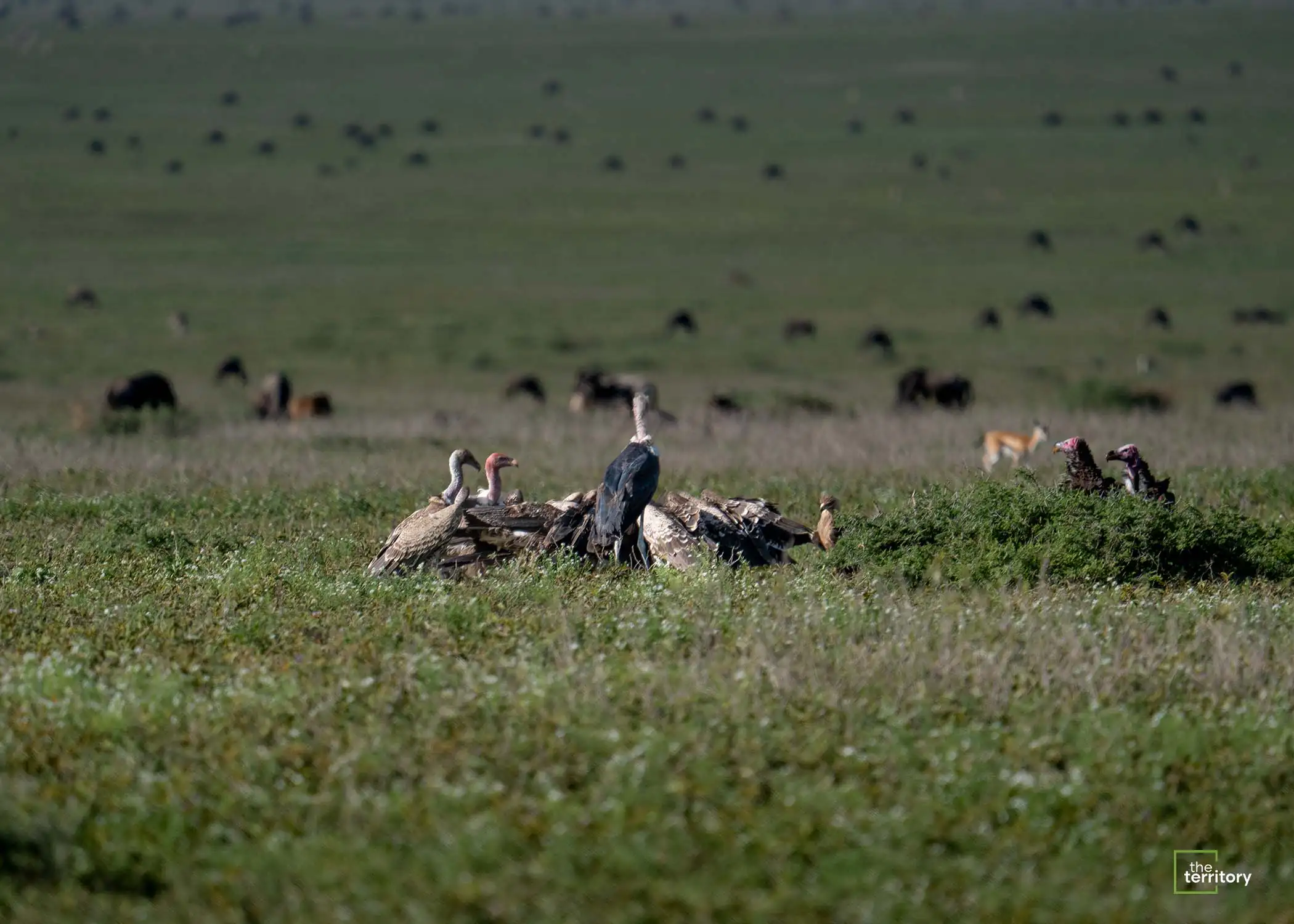
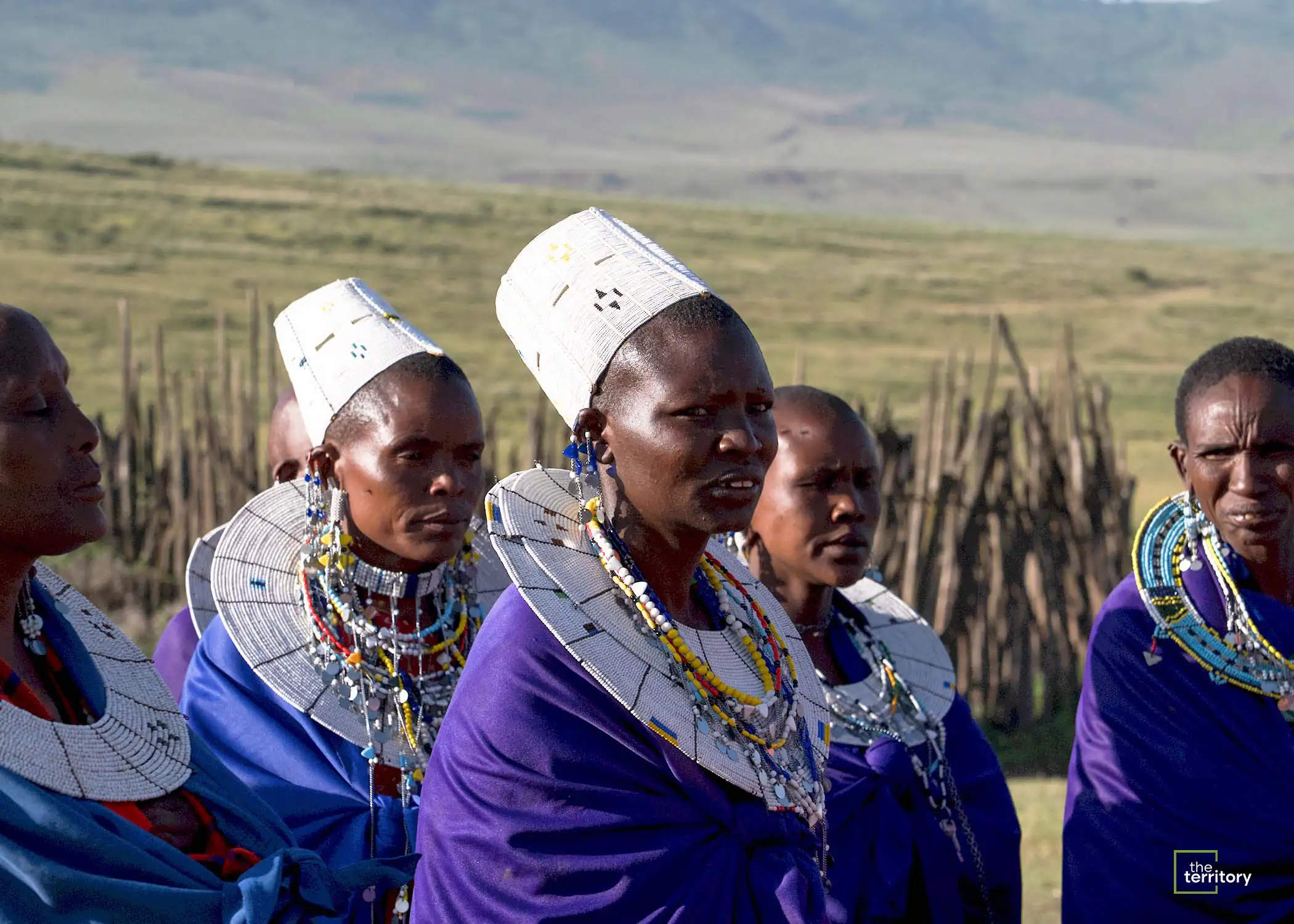
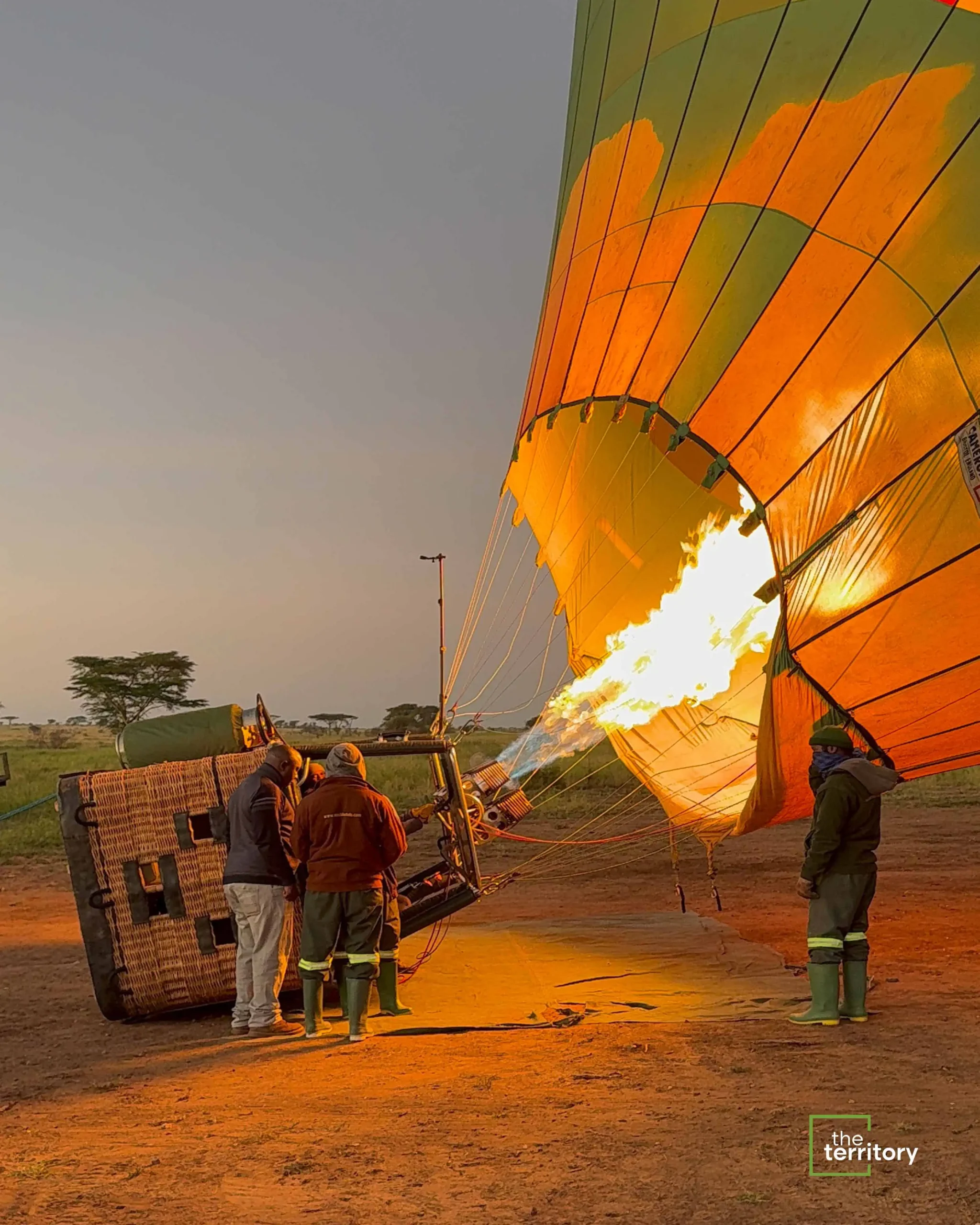
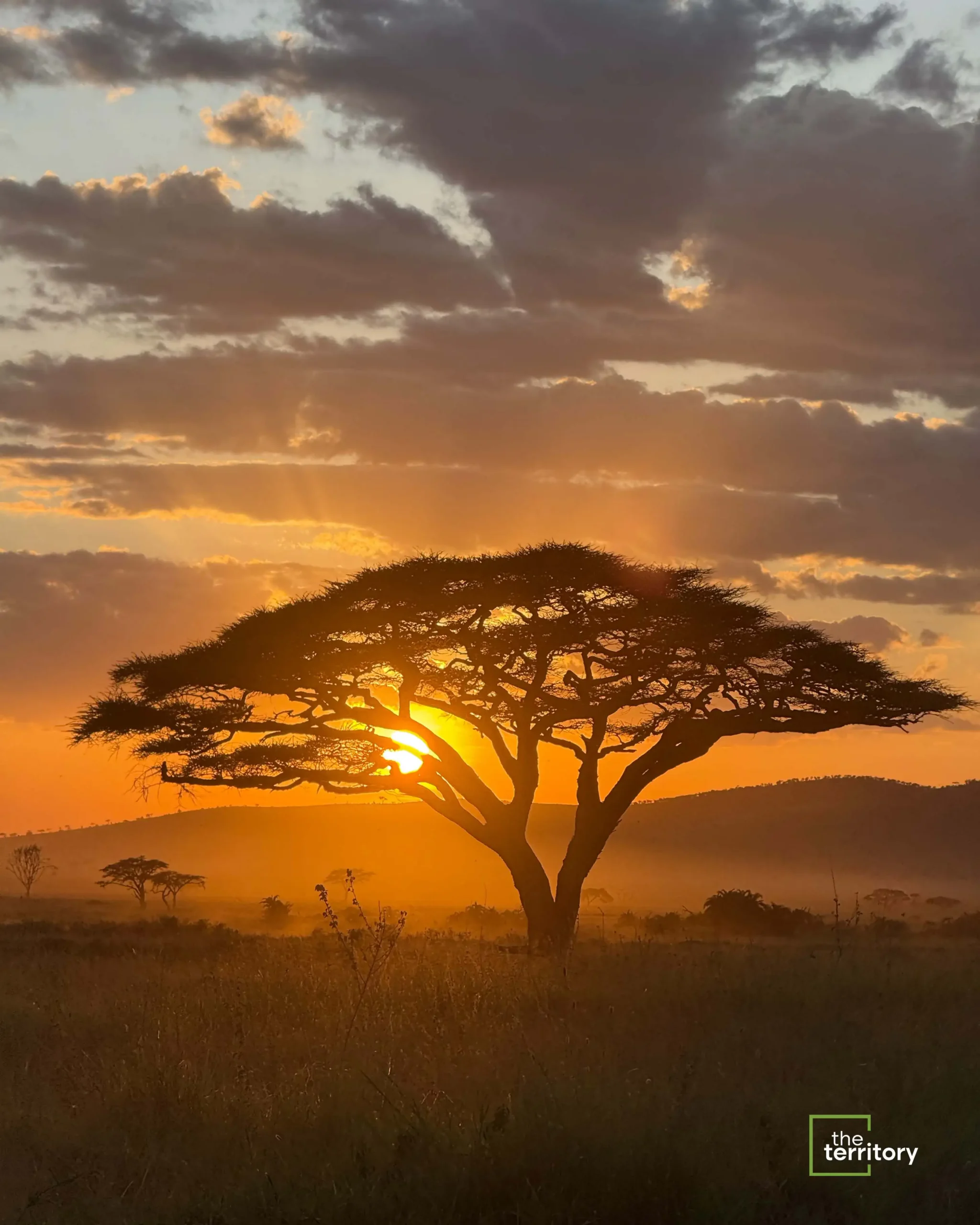
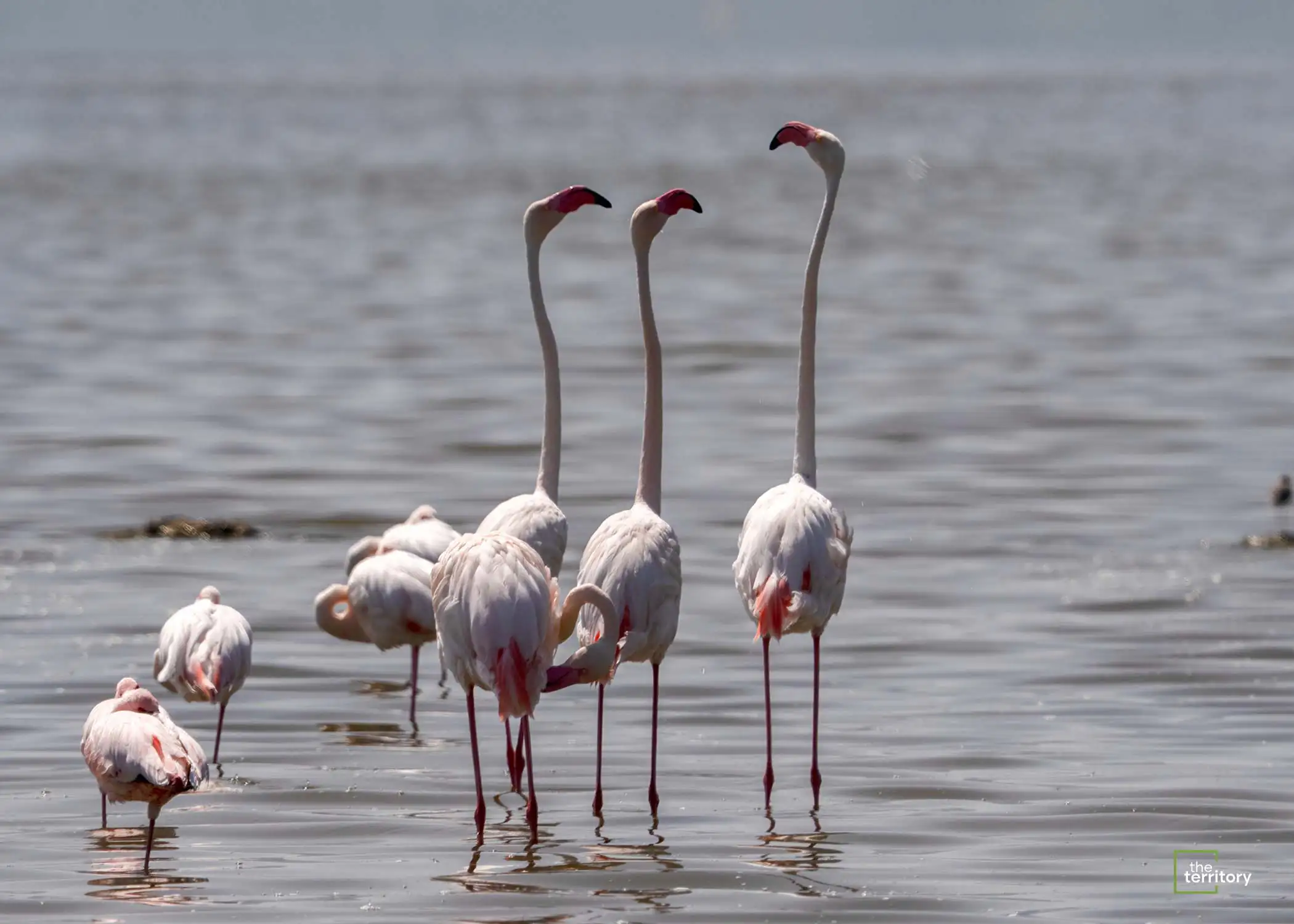
Explore Tanzania through a visual journey of sweeping savannahs, iconic wildlife, dramatic landscapes, Maasai culture, and unforgettable safari moments across its remarkable wilderness.
Experience
A Tanzania Journey Built Around You
A Tanzania journey can be shaped around the wildlife, landscapes & stories you want to experience. Combine private safari time in the Serengeti, Ngorongoro or Tarangire with archaeological and cultural visits around Arusha and the Ngorongoro Conservation Area.
FAQ's
Planning Your Wildlife Experience
What is Tanzania best known for?
Tanzania is known for the Serengeti Migration, Ngorongoro Crater, diverse wildlife, Mount Kilimanjaro and its exceptional safari landscapes.
Which animals can I see on a Tanzania safari?
Common highlights include lions, leopards, elephants, buffalo, cheetahs, wildebeest, zebras, giraffes, hippos, hyenas and, in selected areas, black rhinos and African wild dogs.
When is Tanzania’s dry season?
Across the northern safari circuit, the main dry period generally runs from June to October, with another relatively dry window in January and February.
Can I combine wildlife with heritage experiences?
Yes. A northern Tanzania itinerary can combine safari areas with Laetoli, Olduvai Gorge and the National Natural History Museum in Arusha.
Can The Territory create a private Africa itinerary?
Yes. A private or customised journey can be built around your fixed dates, group size, interests, preferred accommodation, pace and the destinations you want to include.
Can Tanzania be combined with Zanzibar?
Yes. Many Tanzania journeys combine a northern safari with Zanzibar for beaches, marine experiences, Stone Town heritage and time to slow down after the safari.